

Sudden weight loss in a dog should be taken seriously, even if the dog still eats. A small change on the scale can reflect a big change in calories, digestion, muscle, hydration, pain, hormones, or organ function. Some causes are simple, such as not feeding enough after a diet change. Others are urgent, such as diabetes, cancer, kidney disease, severe dental pain, intestinal disease, or parasites.
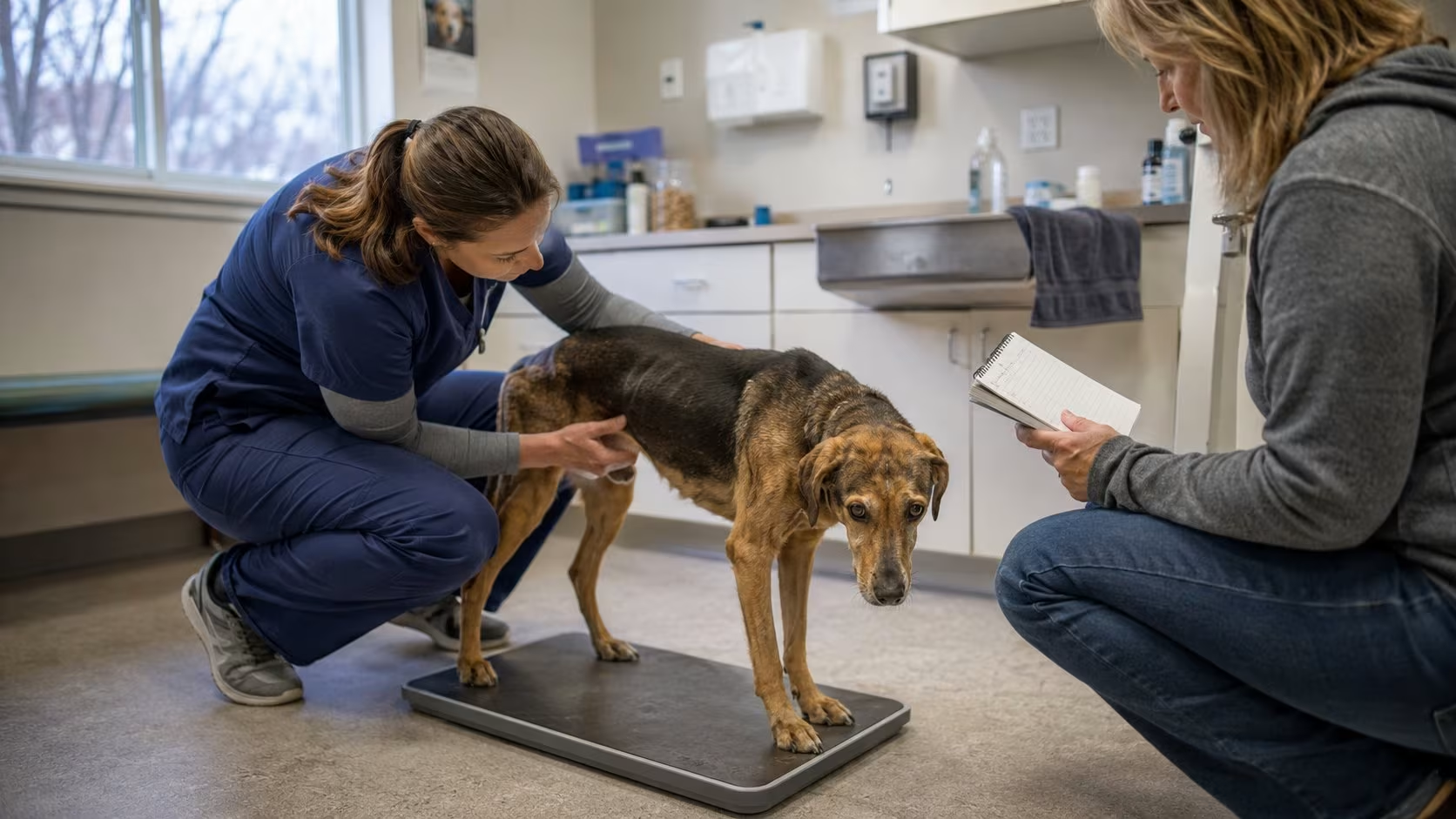
The first step is to confirm the weight change. Weigh the dog on the same scale if possible, check body condition, and look for muscle loss along the spine, hips, shoulders, and head. A fluffy coat can hide loss for weeks. A dog who looks "leaner" after normal exercise is different from a dog who is losing muscle, appetite, strength, or energy.
Why percentage of body weight matters
Any unexplained loss deserves attention, but fast loss, repeated loss, or loss paired with illness signs should be discussed promptly with a veterinarian. A five-pound change means something different in a Chihuahua than in a Great Dane. Percentage matters. A 10 percent loss in body weight is a major change for most dogs.
VCA's page on testing for weight loss in dogs explains that weight loss can come from feeding or nutrition problems, poor digestion, poor absorption, or loss of nutrients from the body. That is why guessing from appetite alone can miss the real cause.
Pawdraft's article on symptoms of dog mouth disease is a useful companion because dental pain can make a dog drop food, chew on one side, drool, or avoid hard kibble.
Some dogs lose weight because they are eating less. Others lose weight while eating normally or even ravenously. Increased appetite with weight loss can occur with diabetes, intestinal malabsorption, parasites, some endocrine diseases, or very high calorie needs. Low appetite with weight loss can point toward pain, nausea, dental disease, infection, cancer, kidney disease, liver disease, or stress.
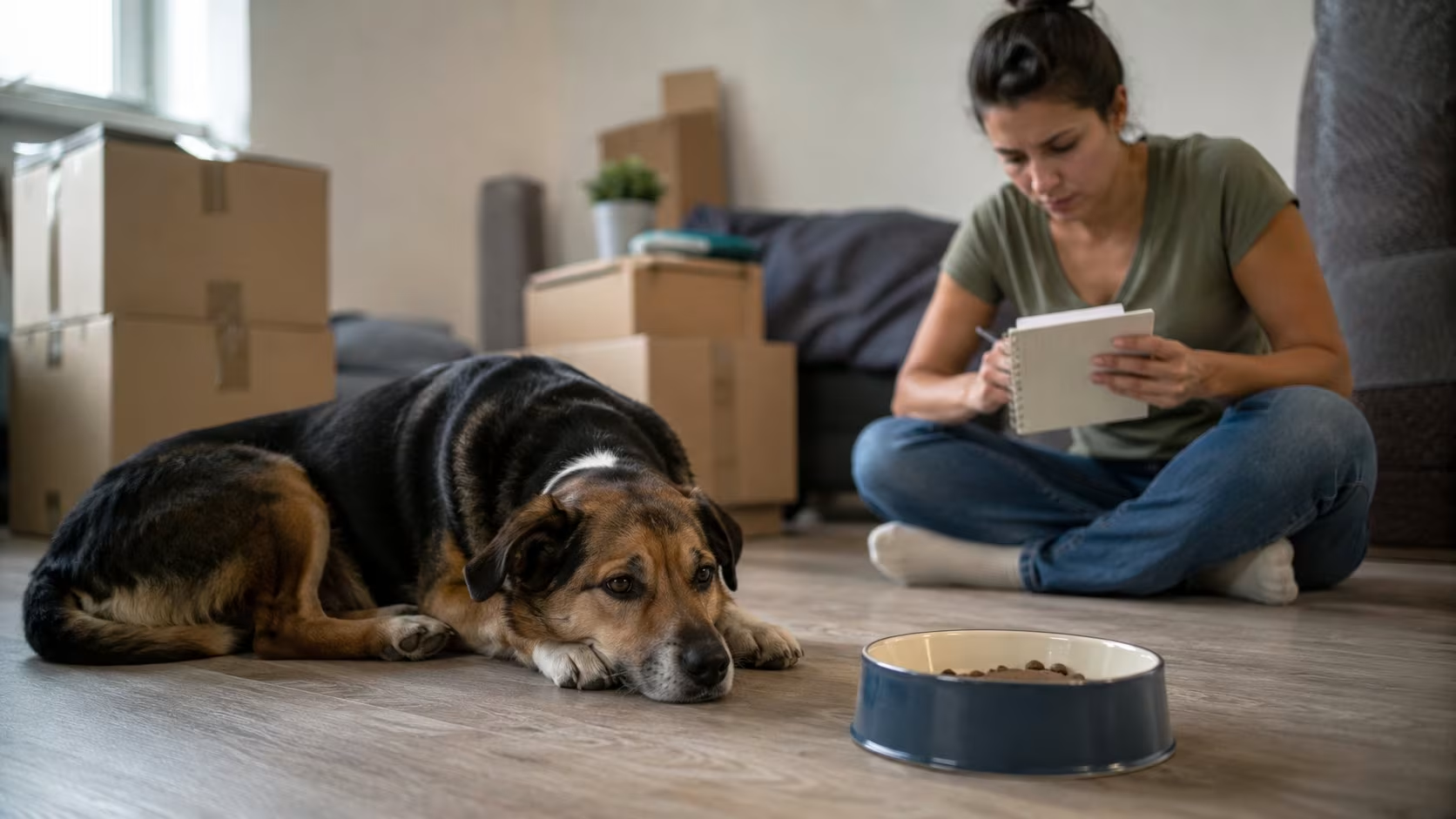
Track food carefully for a week if the dog is stable enough to wait for a scheduled appointment. Measure meals, treats, chews, training rewards, stolen food, and leftovers. Note whether the dog finishes quickly, walks away, drops food, vomits, or seems hungry again soon after eating.
Vomiting, diarrhea, soft stool, greasy stool, gas, poor coat quality, and weight loss suggest the digestive system may not be handling food well. Causes can include parasites, inflammatory bowel disease, pancreatic disease, infections, food reactions, intestinal cancer, or poor diet match. Some dogs have normal-looking stool and still absorb nutrients poorly.
Bring a fresh stool sample if the clinic asks. Deworming history, flea prevention, travel, dog-park exposure, raw diets, and scavenging habits can all help the veterinarian choose tests.
Pawdraft's article on Labradors with mange disease belongs to a skin topic, but parasites and chronic skin disease can affect body condition too. A dog who is itchy, infected, or restless may burn energy and eat poorly.
Dental pain that quietly reduces intake
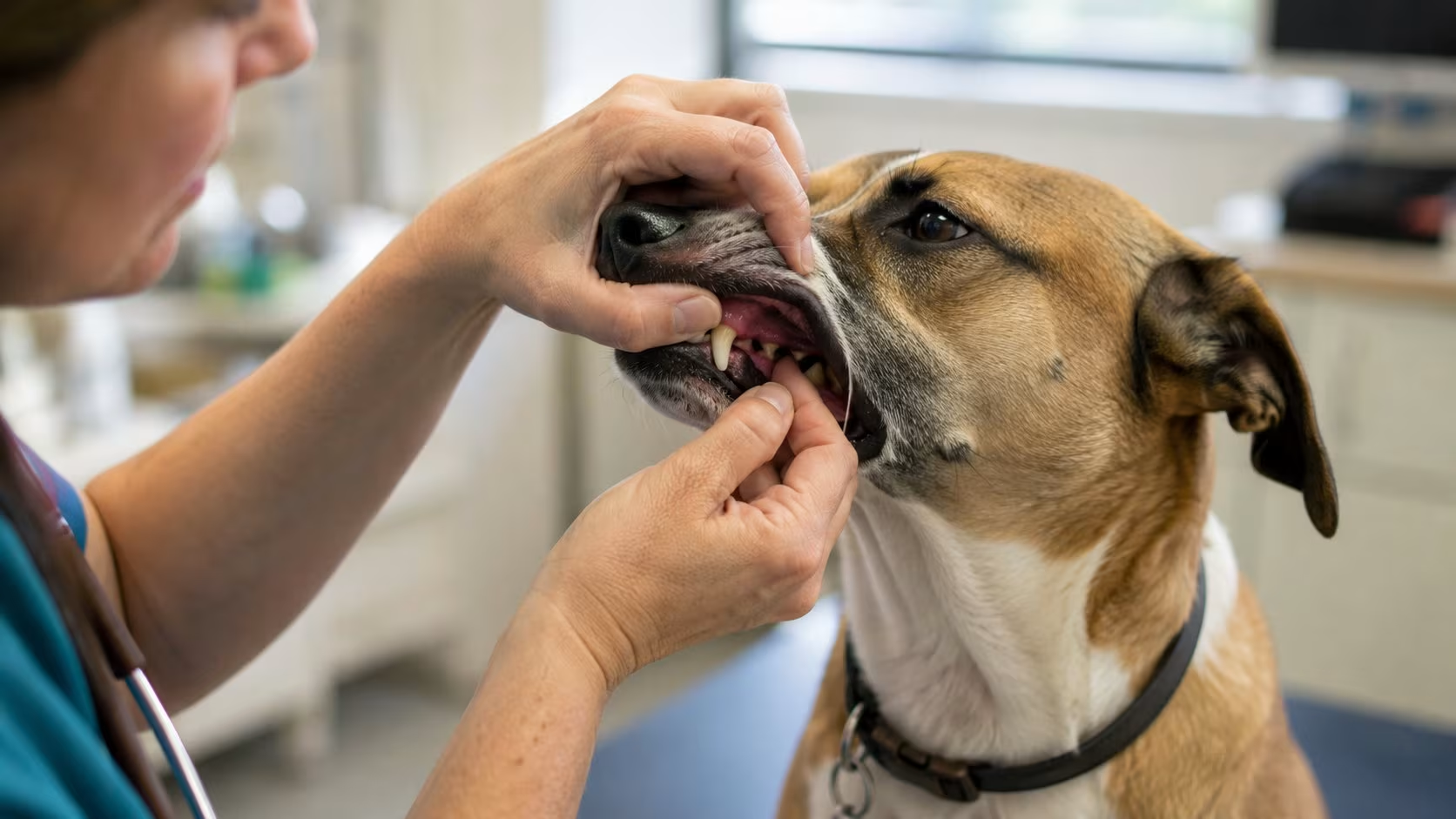
Mouth pain is easy to miss because many dogs keep eating. Watch for bad breath, drooling, dropping food, blood on toys, pawing at the mouth, reluctance to chew, facial swelling, loose teeth, or a preference for soft food. Dental disease can reduce intake and create chronic inflammation.
Do not start pain medication at home without veterinary advice. Many human pain relievers are dangerous for dogs, and dogs with kidney, liver, stomach, or clotting problems may need extra caution.
Kidney disease, liver disease, diabetes, heart disease, cancer, Addison's disease, thyroid imbalance, and chronic infection can all cause weight loss. Increased thirst and urination are especially useful clues. So are vomiting, yellow gums, coughing, collapse, black stool, abdominal swelling, or behavior change.
Older dogs are not supposed to waste away simply because they are old. Muscle loss can be common with aging, but it still deserves evaluation. Pain from arthritis can reduce movement and appetite. Cancer can hide behind mild tiredness. Kidney disease may appear first as drinking more and losing weight.
Pawdraft's article on diseases of Australian Cattle Dogs is breed-specific, but the broader lesson applies: breed, age, and history can change the veterinarian's suspicion list.
Sometimes the problem is the food plan. A new food may have fewer calories per cup. A dog on a weight-loss food may be losing faster than intended. A very active dog may need more calories during a training season. A household may accidentally feed less when scoops, brands, or family schedules change.
Check the food label, measuring cup, and feeding log. Do not simply double the food for a thin dog without a diagnosis. If the dog has diabetes, pancreatitis, kidney disease, or digestive disease, random calorie increases can backfire.
When stress becomes a false explanation
Boarding, moving, a new baby, a new pet, construction noise, travel, heat, grief, or conflict with another animal can reduce appetite. Stress can also worsen gut signs. Still, stress should not become a catch-all explanation for ongoing weight loss.
Pawdraft's article on planning to get an ESA dog is about emotional support, but it reflects the same household reality: routine, environment, and care consistency shape animal health.
The veterinarian may recommend a physical exam, body condition score, dental exam, stool testing, complete blood count, chemistry panel, urinalysis, thyroid testing, heartworm or tickborne disease testing, imaging, pancreatic testing, or specialized GI tests. The first round often separates feeding problems from systemic disease.
If the dog is losing muscle but not fat, the workup may look different from a dog losing both. If the dog has skin infections, paw licking, or chronic sores, Pawdraft's guide to healing skin problems on dogs can help owners notice details to report, but the weight-loss workup should remain veterinary-led.
Muscle loss versus fat loss patterns
Call promptly for rapid loss, no appetite, repeated vomiting, diarrhea with blood, black stool, collapse, weakness, pale or yellow gums, severe pain, extreme thirst, urinating in large amounts, coughing with fatigue, or a dog who seems mentally dull. Puppies, senior dogs, and dogs with chronic disease should not wait long.
A dog can lose fat, muscle, or both. Muscle loss over the hips, thighs, shoulders, and head can point toward aging, chronic disease, pain, poor protein use, or reduced activity. Fat loss may show as a sharper waist, more visible ribs, and less padding over the spine. Both patterns matter, but they can suggest different next questions.
Take photos from above and from the side every two weeks if the dog is stable. Use the same lighting and standing position. Photos help when several family members disagree about whether the dog looks thinner.
Puppies who lose weight can become weak quickly because they have less reserve. Parasites, poor intake, infection, and congenital problems can move fast in young dogs. Active sporting dogs may lose weight during heavy training if calories are not adjusted, but they should still look strong and recover well.
Senior dogs need special attention. A senior who loses muscle may also have dental disease, arthritis, kidney disease, cancer, or reduced digestion. Do not assume the answer is simply "old age." Age changes the list of likely causes, not the need for a diagnosis.
Auditing feeding habits in multi-dog homes
Write down the exact food brand, recipe, calories per cup if available, measured amount, treats, chews, table food, and who feeds the dog. Check whether one family member changed the scoop, whether another pet is stealing food, or whether the dog is leaving kibble behind. In multi-dog homes, feed separately during the audit.
Also check storage. Rancid food, pests, stale kibble, or a bag past its date can reduce intake. If the dog refuses one bag but eats another food eagerly, keep the label and lot number for the veterinarian.
If initial tests are normal but weight loss continues, follow up. Some diseases are not obvious on the first round. The veterinarian may recommend repeat blood work, imaging, specialized digestive tests, dental imaging, or referral. Continued weight loss is a result, not a personality trait.
Learn your dog's normal shape. You should usually be able to feel ribs with light pressure, see a waist from above, and see an abdominal tuck from the side. Sudden sharpness over the ribs, hips, or spine is different from a healthy athletic shape.
If weight drops but the belly looks larger, call sooner. Fluid, organ enlargement, pregnancy, masses, or gas can hide body loss and make the dog look less thin than it really is.
Following up when first tests look normal
Sudden weight loss in dogs can come from simple feeding mismatch, but it can also signal dental pain, parasites, diabetes, kidney disease, liver disease, cancer, intestinal disease, infection, stress, or chronic pain. Confirm the weight, measure food, track appetite and stool, then call the veterinarian. The sooner the cause is found, the better the chance of protecting muscle, comfort, and long-term health.



0 Comments
No comments yet. Be the first to share your thoughts!
Leave a Comment