

Helping a dog lose weight is not about willpower. It is about measurement, medical screening, and a routine the household can repeat every day. Most overweight dogs do not need dramatic changes. They need the right calorie target, fewer extras, safe activity, and regular weigh-ins.
Extra weight can make a dog less comfortable, less active, and more vulnerable to joint pain, breathing strain, heat stress, skin problems, and some chronic diseases. The good news is that even modest weight loss can improve how many dogs move and feel.
Starting with a veterinary weight check
Before cutting food sharply, schedule a veterinary check. Your vet can weigh the dog, assign a body condition score, review diet history, screen for pain or disease, and set a safe goal. Sudden weight gain can be related to overfeeding, reduced exercise, hypothyroidism, Cushing's disease, medications, arthritis, or other health issues.
The AVMA's healthy weight resource for pets explains that weight management should include body condition, nutrition, and activity. A planned approach is safer than guessing.
Pawdraft's guide to signs and symptoms of thyroid problems in dogs is useful if your dog gains weight despite no obvious food increase.
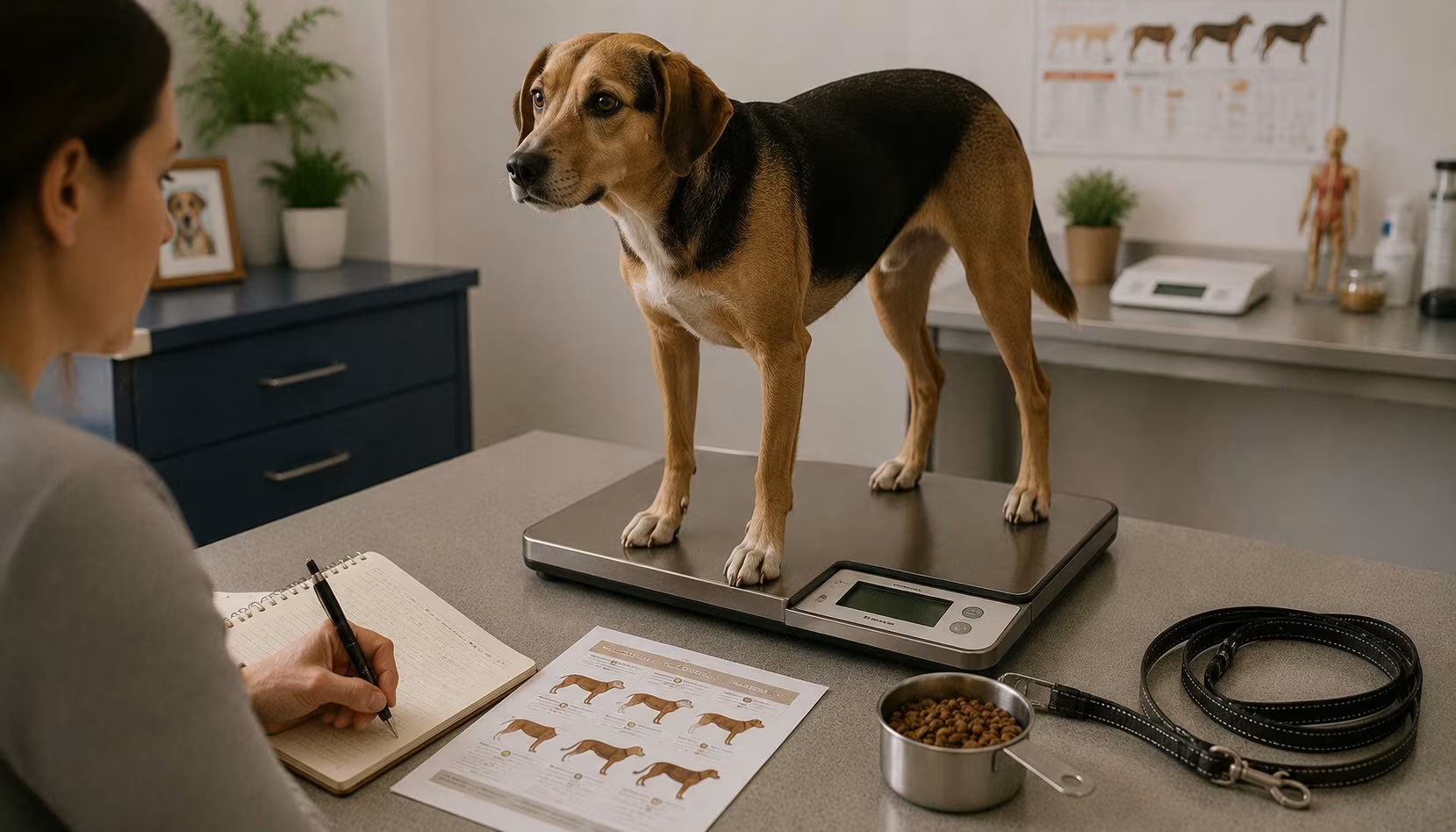
Body condition score is a hands-on way to judge fat cover. You should be able to feel ribs with light pressure, see a waist from above, and see an abdominal tuck from the side, though coat type can hide shape. A dog can be overweight even if the number on the scale seems average for the breed.
The WSAVA nutrition guidelines include body condition and nutrition assessment tools that many clinics use. Ask your vet to show you exactly where your dog is on the chart so everyone in the household understands the target.
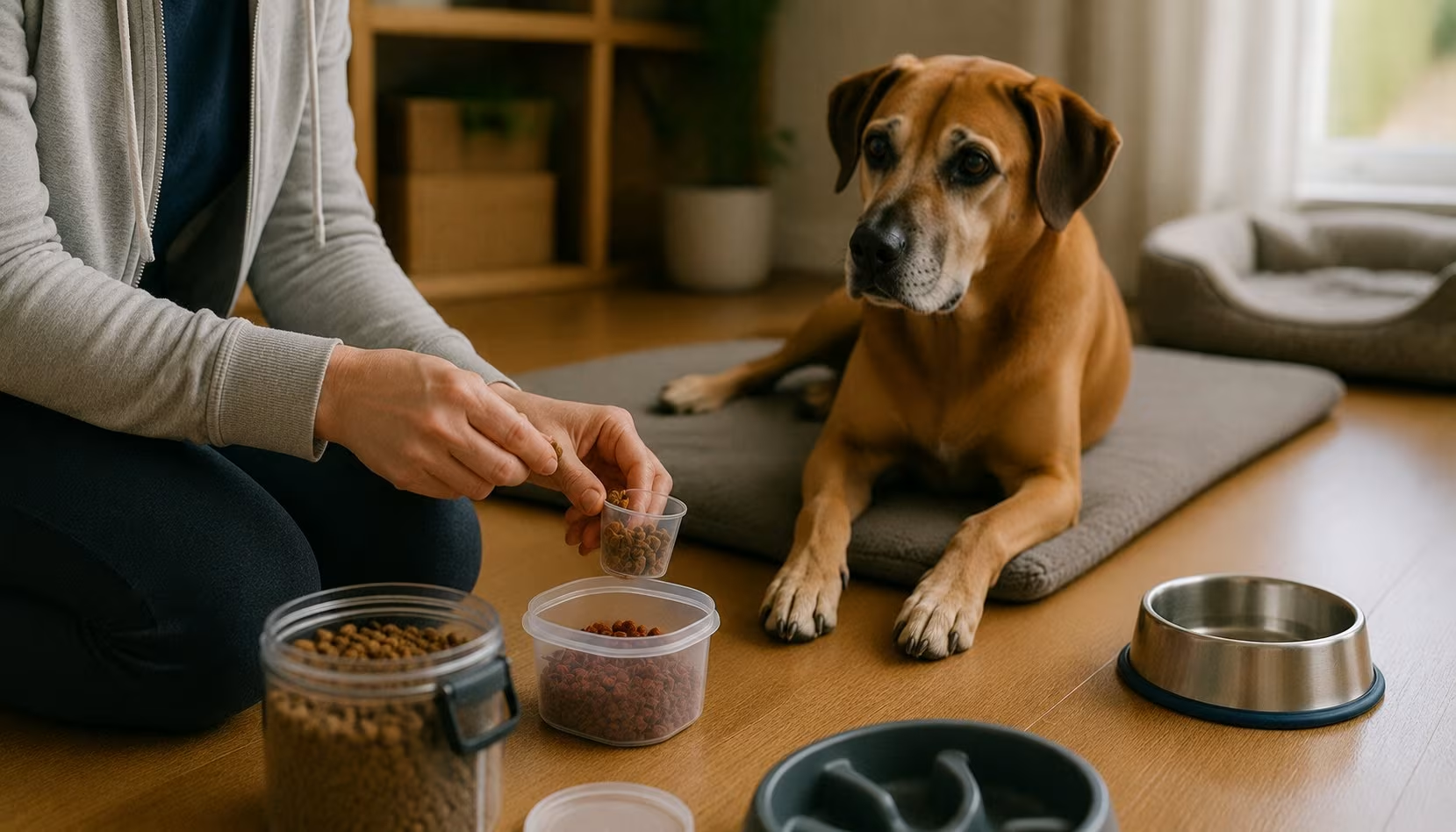
Free-pouring food is one of the easiest ways to overfeed. Use a real measuring cup or, better, a kitchen gram scale. Weighing food is more accurate because kibble size varies. Write down the amount served at each meal and who fed it.
If multiple people feed the dog, use a daily container. Put the whole day's measured food in that container each morning. Meals and training rewards come from it. When it is empty, the dog is done for the day unless the vet has instructed otherwise.
Calculating calories beyond bag guidelines
Feeding guides on bags are estimates. They may not fit a neutered adult dog, a senior dog, a small dog with low activity, or a dog already overweight. Many dogs gain because they are fed for an ideal activity level they do not actually have.
Your veterinarian can calculate a starting calorie target and adjust based on results. If weight does not move after a few weeks, the plan may need a small calorie change or a closer look at treats.
Treats, chews, peanut butter, cheese, table scraps, pill pockets, dental snacks, and training rewards all count. A small dog can exceed its calorie target with a few extras. A large dog can stall weight loss with daily chews or leftover meat.
Keep treats to a small portion of daily calories, and ask your vet for a number that fits your dog. Use tiny pieces. Many dogs care more about the attention than the size of the snack.
Pawdraft's article on human foods dogs can and cannot eat can help identify extras that are unsafe or calorie-heavy.
Some dogs like green beans, cucumber slices, carrot pieces, or a few pieces of their regular kibble as rewards. Others prefer praise, a short game, brushing, or sniff time outdoors. Test options that do not add many calories.
Do not add new foods if your dog has allergies, digestive disease, bladder stones, kidney disease, pancreatitis history, or another diet-sensitive condition without checking with the vet.
Slow feeders and joint-friendly exercise
Slow feeders, puzzle toys, and scatter feeding can make measured portions last longer. They are especially useful for dogs who finish meals in seconds and beg immediately afterward. Start easy so the dog does not become frustrated.
Puzzle feeding also adds mental activity, which can reduce boredom begging. Clean food toys often, and avoid designs that let the dog chew off pieces.
Exercise helps, but overweight dogs may already have sore joints or low stamina. Start with short, frequent walks instead of one long push. Let the dog sniff, move steadily, and stop before limping or heavy panting begins.
Swimming, underwater treadmill therapy, gentle hill walking, and controlled play may help some dogs. Avoid hard sprinting, repeated jumping, and intense fetch sessions if the dog is heavy, older, or arthritic.
Pawdraft's guide to causes of hearing loss in dogs is a reminder that senior dogs may need exercise plans adapted to age-related changes, not only weight.
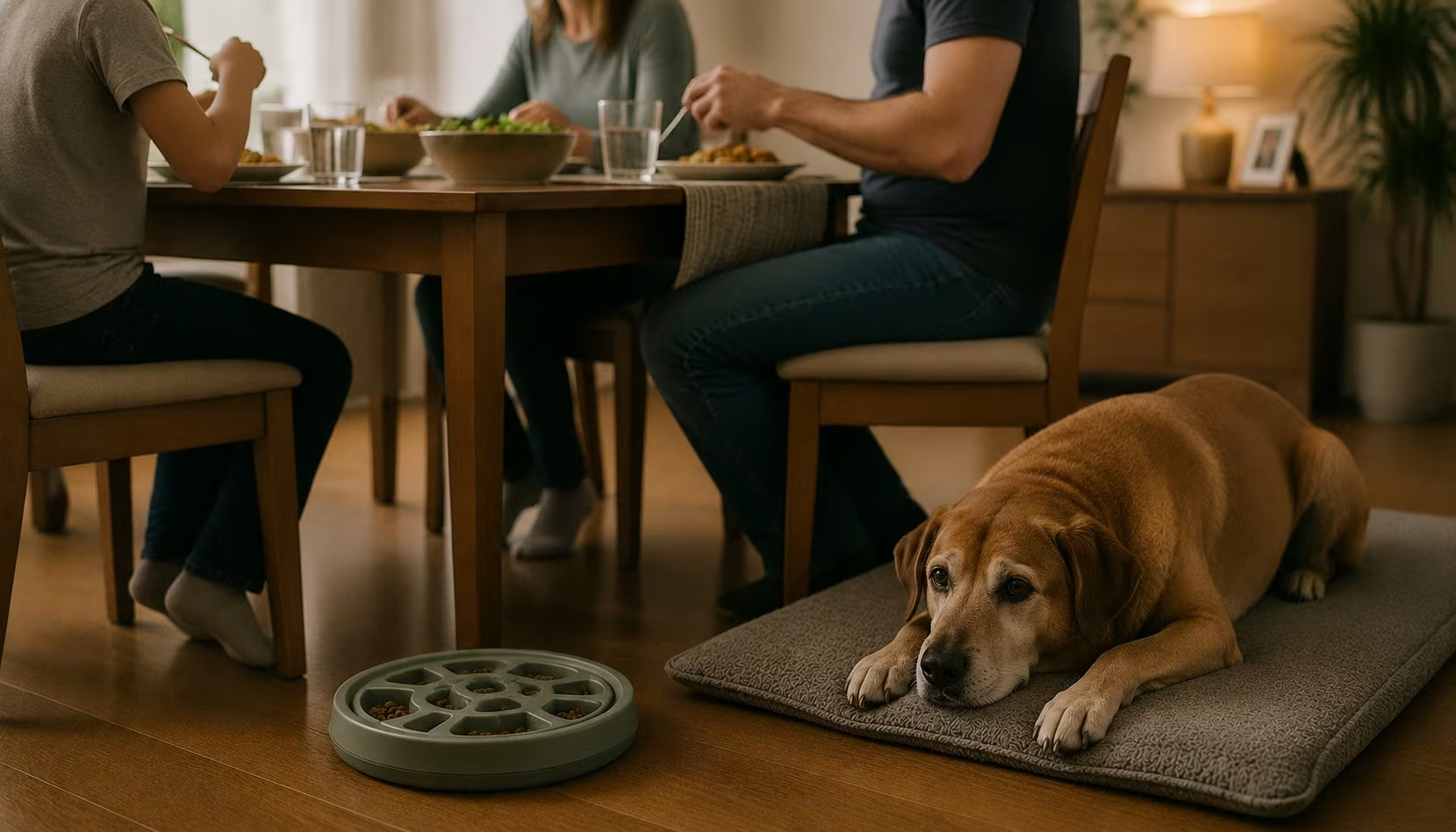
Begging is often a trained routine. If food comes from the table, the dog learns to wait there. Change the pattern by feeding the dog its measured meal before family dinner, using a mat cue, offering a low-calorie chew approved by the vet, or giving a puzzle with part of the daily ration.
Every person in the home has to follow the plan. One generous person can erase the deficit created by everyone else.
Building consistent household feeding habits
Make the easy choice the default choice. Keep food bags closed. Move treats out of reach. Put measuring tools inside the food bin. Use a whiteboard or phone note so everyone can mark meals, treats, walks, and medication. If the dog steals from another pet, feed animals in separate rooms.
Trash, toddler food, cat bowls, bird seed, compost, and dropped snacks can quietly ruin a weight plan. Watch the places your dog checks every day. Many overweight dogs are not being overfed at meals; they are finding calories between meals.
Weigh-ins keep the plan honest. Small dogs may need a clinic scale or baby scale. Large dogs can often be weighed at the veterinary clinic. Ask how often to check; many plans use every two to four weeks.
Track body weight and body condition score. Photos from above and the side can also help because daily changes are hard to see. Use the same angle and lighting each time.
Adjusting the plan through a plateau
If the dog is not losing, do not panic. Review measuring accuracy, treats, chews, stolen food, multiple feeders, and activity level. If all of that is controlled, the calorie target may need adjustment.
If the dog is losing too fast, seems weak, vomits, has diarrhea, or acts unwell, call the vet. Weight loss should be steady and safe. Puppies, pregnant dogs, nursing dogs, and dogs with chronic disease need special guidance.
Weight loss often slows after early progress. As a dog becomes lighter, it may need fewer calories than it did at the start. Activity can also change as the dog feels better. That is why planned weigh-ins matter.
Do not respond to a plateau with a drastic cut. Review the food record, treat record, and body condition score with your vet. A small, measured adjustment is usually better than a sudden restriction the household cannot keep.
Celebrate progress with a new walking route, extra sniff time, a brushing session, or a toy that encourages gentle movement. Food does not have to be the main reward. Many dogs enjoy attention, routine, and choice as much as snacks.
Considering a therapeutic weight-loss diet
Some dogs do better on veterinary weight-loss diets. These diets can provide fewer calories while preserving nutrients and helping the dog feel fuller. Simply feeding less of a regular food can work for some dogs, but too little may leave the dog hungry and short on nutrients.
VCA's guide to obesity in dogs explains that obesity is a medical condition and that treatment may include diet, exercise, and monitoring. Ask whether a therapeutic diet fits your dog's needs.
Pain can reduce activity. Thyroid disease can change metabolism. Respiratory disease can limit walks. Certain medications can increase appetite. Anxiety and boredom can drive begging. If progress is poor despite careful measurement, the plan may need medical adjustment.
Pawdraft's article on what are the causes of gas in Boxer dogs can help if diet changes create digestive signs during a weight plan.
Maintenance matters. Many dogs regain weight when owners return to old portions. Once the dog reaches the goal, your vet can set a maintenance calorie target and weigh-in schedule. Keep measuring food, counting treats, and watching body condition.
Weight management is usually lifelong, especially for neutered adults, seniors, and dogs with low activity levels.
Core habits for lasting results
The most effective dog weight-loss plan starts with a vet check, a body condition score, measured meals, counted treats, safe exercise, and regular weigh-ins. The details should fit the individual dog, not a generic chart.
Small daily habits matter most: weigh food, simplify treats, avoid table scraps, move in a joint-friendly way, and adjust based on real progress. That is how weight loss becomes safe, repeatable, and easier for the whole household.




0 Comments
No comments yet. Be the first to share your thoughts!
Leave a Comment