

Many people describe an emotional support animal as a friend because the relationship feels personal, steady, and nonjudgmental. A dog waiting at the door, a cat sleeping nearby, a rabbit following a routine, or another companion animal can make a hard day feel less empty. That friendship can matter deeply for someone living with anxiety, depression, grief, PTSD, isolation, or chronic stress.
Still, an ESA is not a magic fix, a substitute therapist, or a legal pass for every public space. A healthy ESA relationship respects both sides: the person receives comfort, and the animal receives consistent care, safety, and a life that suits its species.
How daily routines anchor a struggling person
Companionship can reduce loneliness, create daily structure, and give a person a reason to get out of bed, open the curtains, take a walk, or follow a feeding schedule. The NIH article The Power of Pets notes that research on human-animal interaction is still developing, but some studies show animals can reduce loneliness, increase social support, boost mood, and affect stress measures.
That does not mean every person improves because of an animal. It means the bond can be one useful part of a larger support system.

Animals support people through ordinary repetition. Morning feeding, walks, litter cleaning, grooming, play, and bedtime routines can help anchor the day. For someone whose symptoms disrupt sleep, appetite, or motivation, that routine can be valuable.
Pawdraft's article on what emotional support animals are expected to do connects because the most meaningful support is often simple presence and routine, not public performance.
Feeling that an ESA is a friend does not automatically create public access rights. Under the ADA, emotional support or comfort alone is not a service-animal task. ADA.gov's service animal requirements explain that service animals are trained to do work or perform tasks directly related to a disability, while comfort alone does not qualify.
This distinction protects service dog teams and prevents ESA owners from being misled by badges or vests. Pawdraft's guide on whether ESA dogs are allowed in public places covers that access question in more detail.
Matching species and size to real needs
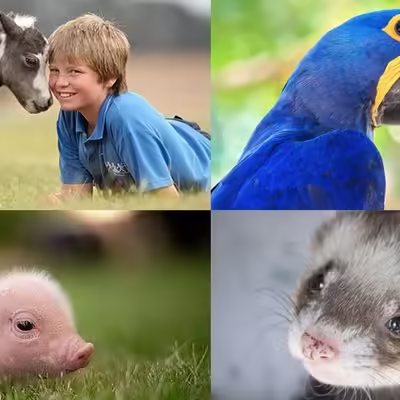
For one person, the animal may help with loneliness after a move. For another, a dog may encourage short daily walks. A cat may help someone settle at night. A rabbit's feeding routine may help a person keep a schedule. A bird's daily care may create a sense of responsibility.
The friendship is not measured by species or size. It is measured by whether the relationship helps the person cope and whether the animal's needs can be met.
A peer-reviewed review on companion animals and mental health found that pets can provide benefits for people living with mental health conditions, while also noting that more research is needed. That is the honest middle ground: many people report real help, but an ESA should not be sold as a guaranteed treatment.
Pawdraft's article on staying mentally healthy with emotional support animals fits this view when the animal is part of a broader mental health plan.

A support animal should match the person's lifestyle, housing, energy, finances, allergies, mobility, and care capacity. A high-energy dog may help one person leave the house and overwhelm another. A cat may suit a quiet apartment but not someone with severe allergies. A rabbit, bird, or other animal has species-specific needs that should not be ignored.
Pawdraft's article on planning to get an ESA dog is relevant because the best choice is not only emotional. It is practical.
Preventing the animal from absorbing every crisis
Friendship does not mean the animal should absorb every crisis. Dogs and cats can become stressed by constant clinging, chaotic routines, yelling, sleep disruption, or lack of exercise. An ESA needs downtime, predictable care, veterinary visits, grooming, safe handling, and space.
If the person cannot care for the animal during a severe episode, there should be backup help. A trusted friend, family member, pet sitter, or boarding plan can protect both the handler and the animal.
If housing accommodation is needed, documentation should come from a legitimate professional relationship and current rules. Pawdraft's article on emotional support animal requirements connects because online certificates and registry numbers often create false confidence.
Do not buy paperwork just to call a pet an ESA. The bond can be real without fake documentation. Legal claims should be honest and tied to the correct setting.
For anxiety, an ESA may help through touch, predictable presence, breathing pace, or motivation to leave home for short walks. Pawdraft's article on anxiety disorders and ESA animals is relevant, but the animal should not be the only tool. Therapy skills, medication if prescribed, exposure plans, sleep care, and human support may all matter.
If the animal becomes anxious too, adjust the plan. A stressed dog cannot calmly support someone through panic if the dog is also overwhelmed.

Building low-pressure social contact through pet care
Depression can make basic care feel difficult. An ESA may add structure, touch, warmth, and a reason to move. But depression can also reduce a person's ability to clean, walk, schedule vet care, or maintain training. This is where support from other people matters.
A healthy plan might include automatic food delivery, reminder alarms, scheduled walks with a friend, and a backup caregiver. The animal should not suffer because the person is suffering.
Animals can create low-pressure social contact. A dog walk can lead to short neighbor conversations. A cat photo can start a text exchange. A pet routine can make isolation less total. For people who struggle with human relationships, an animal may be a bridge, not a replacement for every connection.
This is one reason the friendship language resonates. The animal is present without demanding explanations.
Recognizing when an ESA is not the right fit
An ESA may not be right if housing is unstable, money is too tight for veterinary care, allergies are severe, the person wants public access more than daily care, or the animal's behavior would create danger. A person in active crisis may need urgent human help before adding animal responsibility.
Pawdraft's article on ESA-certified animals and legal limits is a useful reminder that support should be realistic, ethical, and lawful.
An ESA friendship should not be one-sided. The animal offers comfort, but the person provides food, veterinary care, training, safety, grooming, and daily attention. That exchange can be healing because it creates responsibility and rhythm. It can also become stressful if the person has no backup plan.
Write down who can feed, walk, clean, or transport the animal if symptoms flare. Keep the veterinarian's number and vaccination records easy to find. If the animal takes medication, keep instructions in one place. These small preparations make the friendship more stable.
In an apartment, a support animal should be able to live without creating constant conflict. Noise, odor, waste cleanup, scratching doors, and reactivity in hallways can create stress for everyone. Before choosing an animal, think about stairs, elevators, neighbors, exercise areas, and emergency exits.
A quiet ESA relationship is often built through daily care. Walk at predictable times, clean promptly, use enrichment, and practice calm greetings. If the animal is struggling, get help early instead of waiting for complaints.
Grieving the loss of a close companion
Because an ESA may feel like a close friend, illness or death of the animal can be intensely painful. This does not mean the relationship was unhealthy. It means the bond was real. People who rely on an ESA should think ahead about veterinary costs, end-of-life decisions, and human support for grief.
Talking about this early is hard, but it protects the person from having to make every decision alone during a crisis.
The best ESA friendship is warm but not overloaded. The animal can comfort the person, and the person can still build other supports: therapy, friends, family, peer groups, medication when prescribed, exercise, sleep routines, and crisis contacts. The animal is part of the circle, not the whole circle.
Some people feel guilty when they need space from the animal, or when symptoms make care difficult. That guilt is a sign to add support, not proof the person is failing. A walker, sitter, family member, or friend can protect the routine during hard weeks.
The animal does not need perfect days. It needs safe, consistent care over time.
Balancing companionship with realistic legal limits
ESA animals can be like friends because they offer presence, routine, comfort, and connection. That friendship can reduce loneliness and support coping for some people, especially when paired with mental health care and human support. But an ESA is not an ADA service animal, not a universal access pass, and not a replacement for treatment. The best ESA relationship protects both the person's needs and the animal's welfare.



0 Comments
No comments yet. Be the first to share your thoughts!
Leave a Comment