

Traveling with a service dog in Europe takes more preparation than booking a pet-friendly trip. You have to satisfy animal entry rules, airline rules, airport assistance procedures, and the access rules of the country you are visiting. Those layers do not always use the same wording.
The safest plan is to start early, use official travel pages, contact the airline in writing, and confirm requirements for each country on the route.
Navigating country-by-country entry rules
"Europe" can mean the European Union, the Schengen Area, the United Kingdom, Ireland, Norway, Switzerland, or a multi-country route. Animal entry rules may be shared in some places, while disability access rules and assistance dog recognition can vary by country, airline, airport, train operator, hotel, and venue.
Do not assume that a service dog accepted in the United States will be treated the same way everywhere in Europe. The dog may still need the same animal health documents as a pet, plus airline and access documentation connected to assistance dog status.
Pawdraft's guide to traveling with an emotional support dog by flight is useful background, but service dogs and ESAs are not handled the same way.
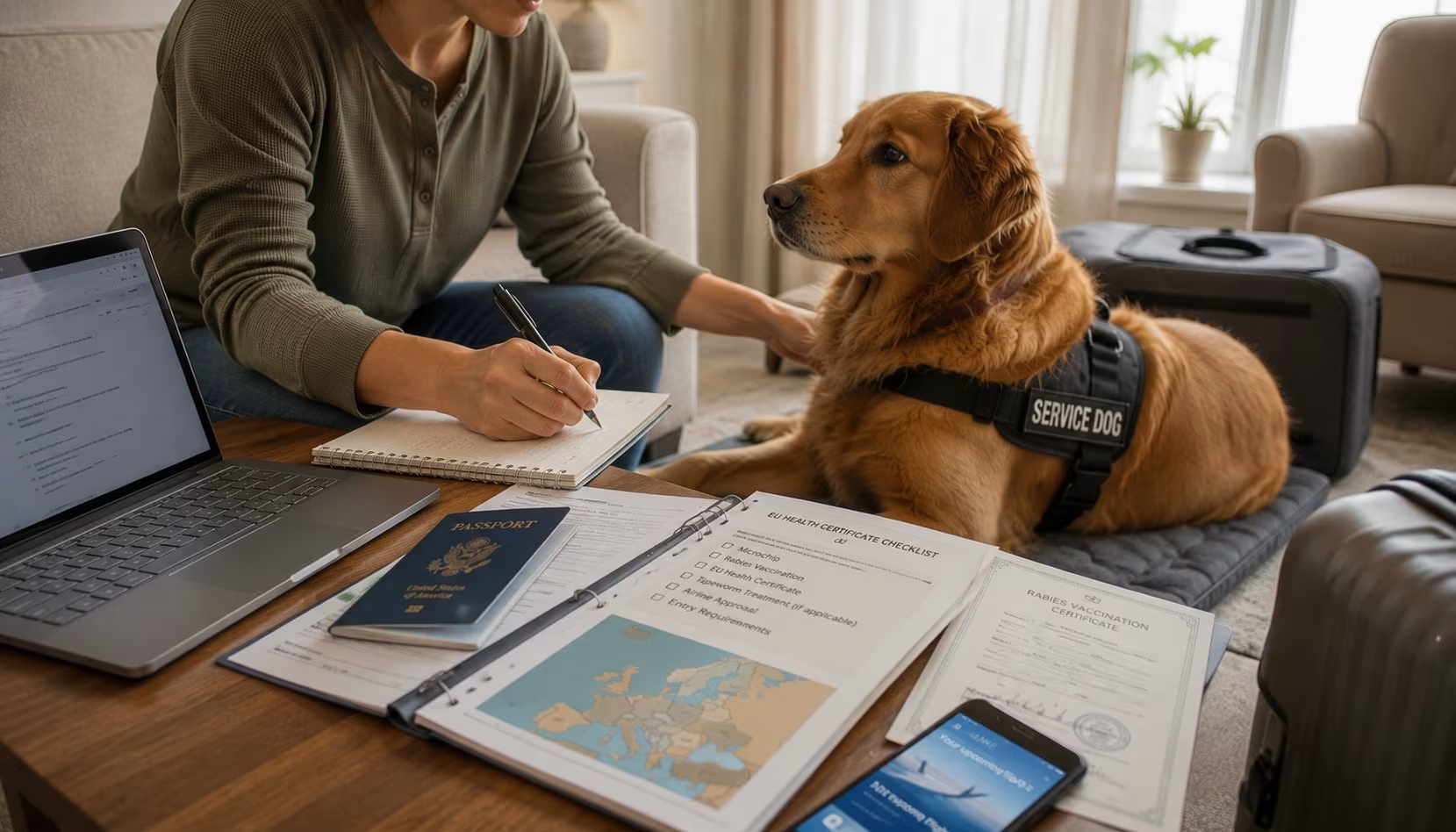
If you are entering the EU from a non-EU country, your dog generally needs compliant identification, rabies vaccination, and the correct health certificate. The EU's official page on travelling with pets and other animals explains that animals entering from non-EU countries need an EU animal health certificate issued by an official veterinarian within the required time window.
For U.S. travelers, USDA APHIS explains EU pet passport and certificate rules, including when a USDA-endorsed EU Health Certificate is needed. Start this process early because veterinary appointments, endorsement timing, and flight dates must line up.
The microchip and rabies record must match the rules for the destination. A rabies vaccine given before the microchip may not count for some travel purposes. Puppies, newly vaccinated dogs, and dogs with expired rabies records need extra timing care.
Ask a USDA-accredited veterinarian or the official authority in your country of departure to review the route. Do not rely on memory from an old trip. Rules change, and a certificate that was fine for one route may be wrong for another.
Tapeworm treatment and airline paperwork
Some European destinations require tapeworm treatment for dogs before entry or movement. Common examples include Finland, Ireland, Malta, Norway, and Northern Ireland, though travelers should verify current rules for the exact route.
The treatment may need to be administered by a veterinarian within a specific time window and recorded correctly. A service dog is still a dog for animal health purposes, so do not skip this step because the dog works.
Airlines may require advance notice, forms, training documentation, relief plans, size information, and confirmation that the dog can fit safely at your feet. U.S. airlines may use the DOT Service Animal Air Transportation Form for covered flights. The U.S. Department of Transportation provides the current service animal air transportation form.
International carriers can have different procedures. Some European airlines refer to recognized assistance dogs, training organization documentation, or destination-specific approval. Contact the airline before buying nonrefundable tickets when possible, and keep written confirmation.
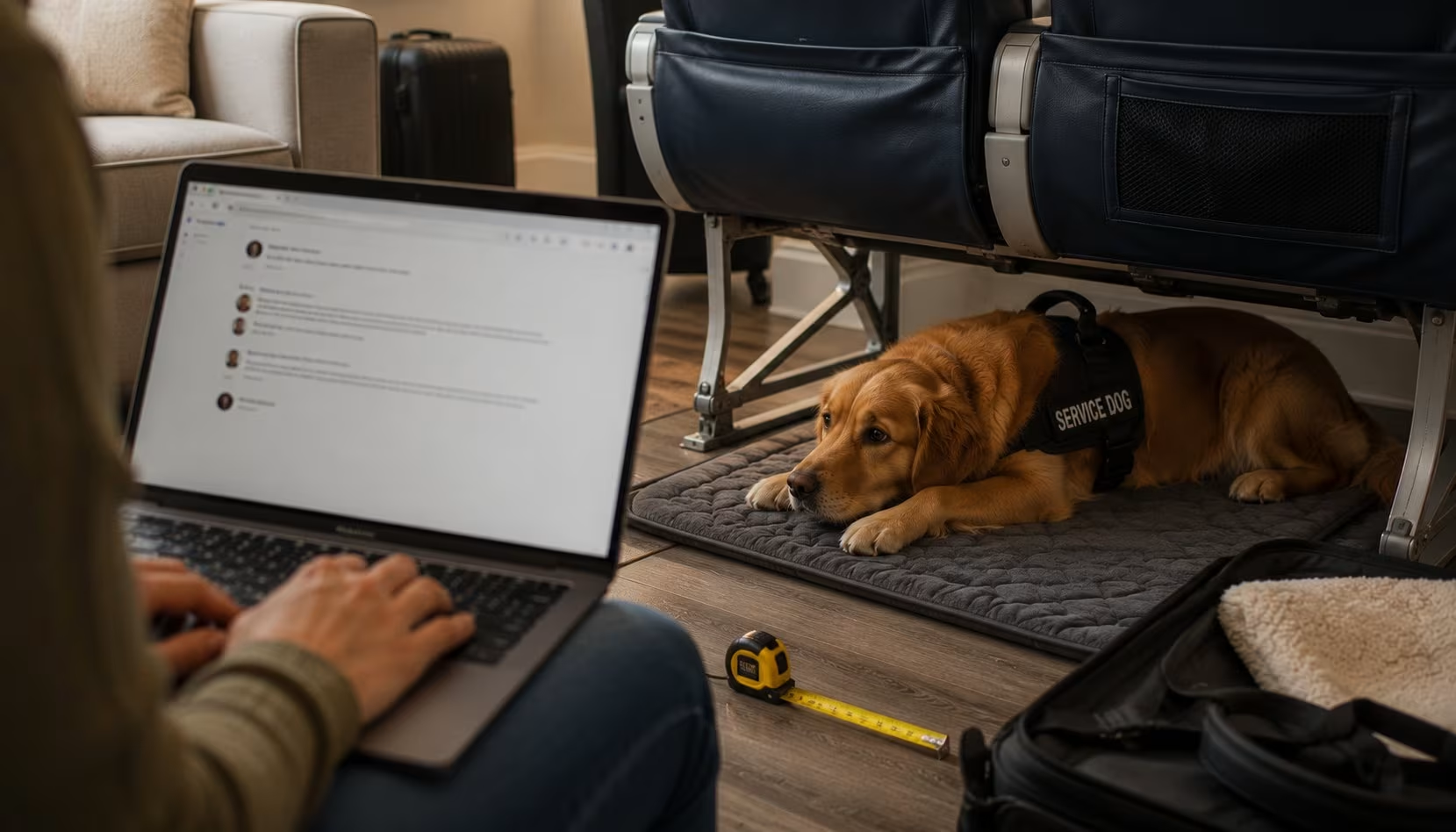
Public access for assistance dogs can vary across Europe. Some countries may recognize dogs trained by certain organizations more easily than owner-trained dogs. Some venues may ask for documentation that would not be required in the United States. Language also differs: assistance dog, guide dog, service dog, support dog, and recognized assistance dog may not be treated as identical terms.
Assistance Dogs International maintains travel resources that point handlers toward European assistance dog information. Use those resources as a starting point, then verify with official country, airline, airport, and transport pages.
Pawdraft's article on ESA dogs in public places can help clarify why public-access language matters.
Planning airport relief and documentation
Airports can be stressful for both handler and dog. Request assistance early if you need mobility support, guidance through security, extra time, or help reaching a relief area. Ask where service animal relief areas are located before departure, during connections, and after arrival.
A long international itinerary may require a relief plan that covers delays. Pack cleanup supplies, a small towel, water, collapsible bowl, food, medication, and a familiar mat. Practice airport-like waits before the trip if your dog has not flown recently.
Carry printed and digital copies of the health certificate, rabies record, microchip record, training documentation if applicable, airline approval, veterinarian contact, emergency veterinary contacts in destination cities, and hotel confirmations.
Keep documents in a travel packet that can be reached quickly. Border staff and airline staff may not want your whole history. They need the right page at the right time.
Europe travel often includes trains, ferries, buses, taxis, and rideshare. Each operator may have its own process for assistance dogs. Some require advance notice. Some need muzzle rules checked. Some have space limits or boarding procedures.
Do not assume that approval for the flight covers the train from the airport. Confirm the next leg before you arrive tired, carrying luggage, and managing a dog in a new place.
Pawdraft's guide to ESA dogs in hotels is not a service dog rulebook, but it is a useful reminder to confirm lodging policies before arrival.
Communicating with hotel staff abroad
Even when access rights apply, practical lodging questions still matter. Is there green space nearby? Are the floors slippery? Are elevators crowded? Is the room quiet enough for the dog to rest? Can the dog relieve safely late at night?
Contact the hotel in writing. Use accurate language: service dog or assistance dog, not pet. Ask about entrances, relief areas, breakfast rooms, and local transport. Save the reply.
Handlers may meet staff who are unfamiliar with foreign service dog documentation. Stay calm, use short explanations, and show the document that fits the question. If there is a dispute, ask for a manager and keep notes.
Do not over-share medical information. In many situations, staff need to know that the dog is an assistance dog and that the dog is trained for disability-related work. The exact rules depend on the country and setting.
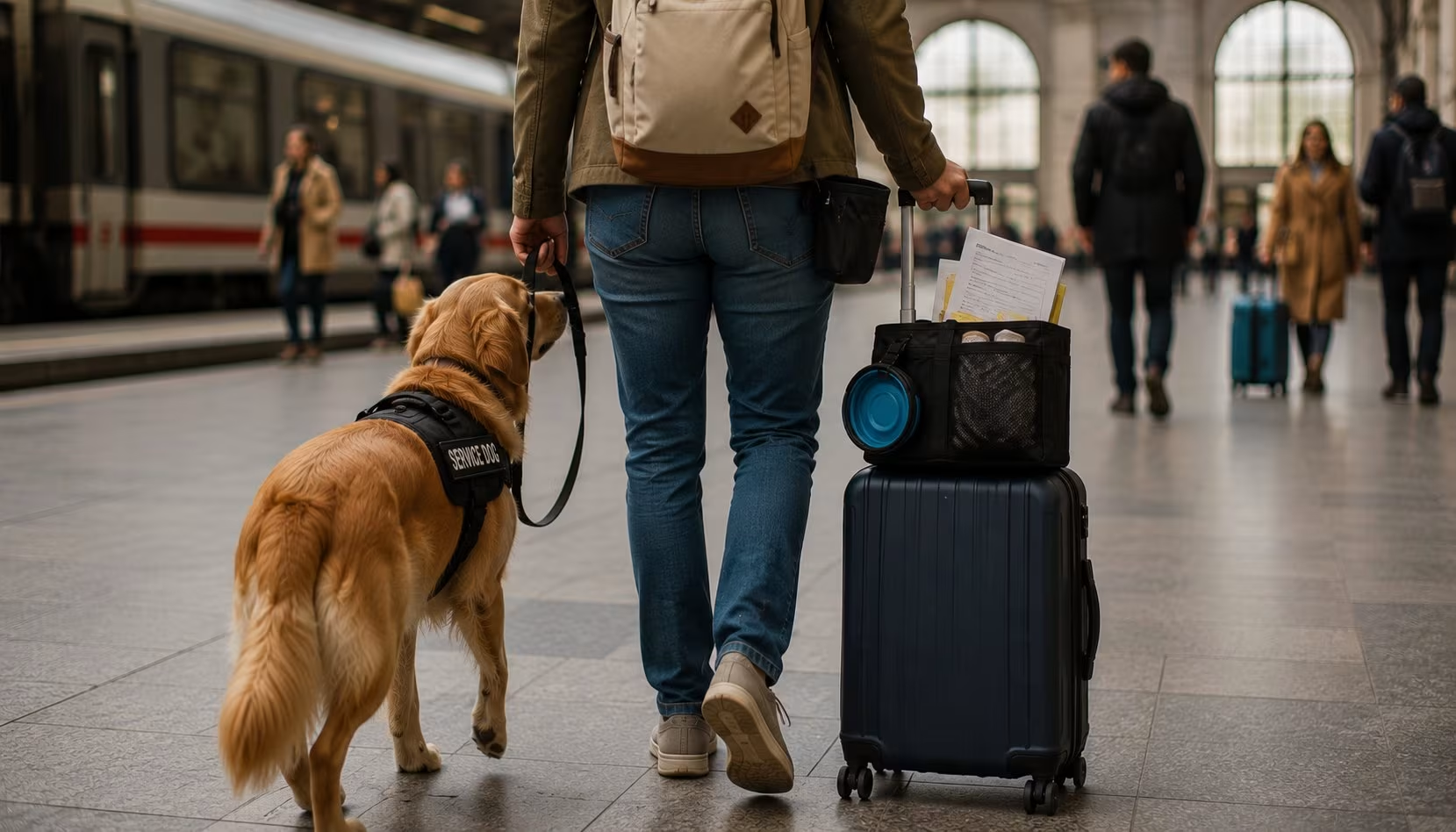
Jet lag, crowded streets, heat, cobblestones, restaurant noise, and long museum days can tire a service dog. Schedule rest blocks. Protect paws from hot pavement and rough surfaces. Bring familiar food to avoid stomach trouble. Know where emergency veterinarians are located.
A working dog still needs sleep, water, sniff breaks, and downtime. Do not plan every day as if the dog is a machine.
Preparing for the return trip home
If you are returning to the United States, check current CDC and airline rules for dogs entering the U.S. before you leave and again before the return flight. International dog import rules changed in recent years, and the requirements can depend on where the dog has been.
Build extra time into the return plan. A missed endorsement, missing form, or unclear rabies record can disrupt travel.
Do not schedule veterinary paperwork at the last possible hour. Travel certificates can depend on appointment availability, endorsement processing, weekends, holidays, flight timing, and the exact arrival date. A small delay can become expensive if flights, hotels, or train tickets cannot move.
Give yourself room for correction. If a microchip number is typed wrong, a rabies date is unclear, or an airline asks for another document, you need time to fix it before departure. Service dog handlers already manage disability access, dog care, luggage, and route planning. Extra calendar space reduces pressure.
Practice under-seat settling, long down-stays, public relief on cue if appropriate, elevators, rolling luggage, security-style handling, and quiet restaurant behavior. A dog who works well at home may still need refreshers for airports, trains, and crowded city streets.
Short practice sessions before travel are kinder than expecting the dog to learn in a foreign airport after a long flight.
Also practice recovery. After a busy outing, give the dog water, a relief break, food if appropriate, and quiet sleep. Travel days are easier when the dog already knows how to switch from work mode to rest in an unfamiliar room.
Tying together the travel checklist
To travel Europe with a service dog, confirm animal entry rules, microchip and rabies timing, health certificate needs, airline forms, country-specific access expectations, transit rules, lodging logistics, relief plans, and return requirements.
Start early, keep written confirmations, and treat every leg of the route as its own checkpoint. The better the preparation, the easier it is for the service dog team to focus on the trip instead of paperwork problems.


0 Comments
No comments yet. Be the first to share your thoughts!
Leave a Comment