

Food can help a dog cope with summer, but it cannot protect a dog from dangerous heat by itself. The main cooling tools are shade, ventilation, rest, fresh water, and avoiding exercise during hot or humid parts of the day. Food supports that plan by adding moisture, keeping digestion steady, and making hydration more appealing.
In summer, think about when the dog eats, how much water is available, which treats are safe, and whether heat is changing appetite. A dog who is panting hard, weak, vomiting, confused, drooling heavily, or collapsing needs cooling and veterinary care, not a special snack.
Why fresh water matters most in heat
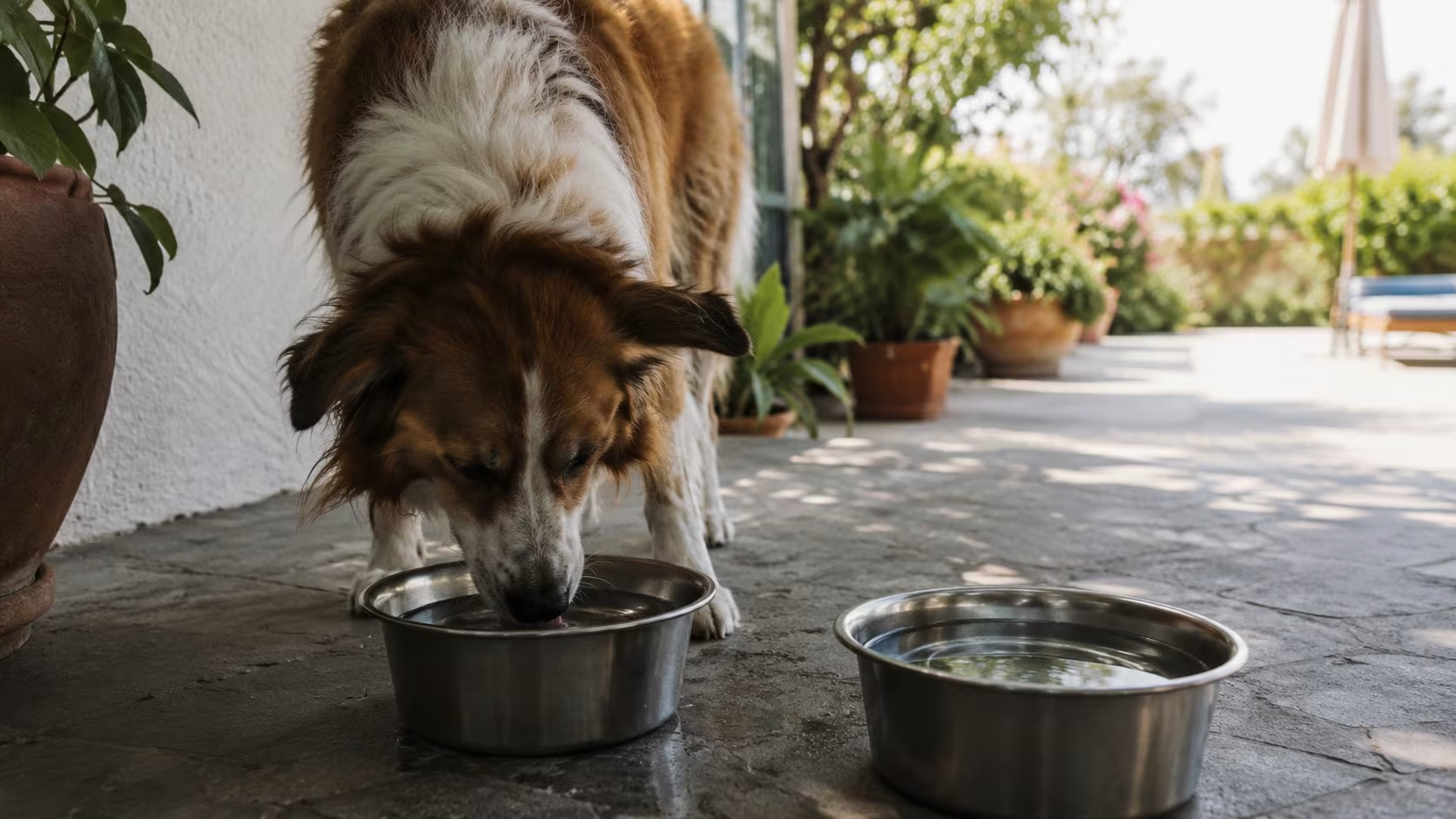
The most useful "summer food" is fresh water. Keep several bowls available, refill them often, and wash them daily. Dogs may drink more in heat, after exercise, after salty treats, or while eating dry food. Outdoor bowls should sit in shade because water can become hot quickly.
The AVMA's warm weather pet safety guidance warns that warm weather can create health risks for pets even when the day does not seem extreme. Hydration helps, but it does not make heat exposure safe.
Pawdraft's article on raw diets for dogs is useful for owners considering diet changes, but summer heat makes food handling even more serious.
Wet food can add water to the diet. Some owners mix water into kibble, offer a veterinarian-approved canned food, or use a soaked meal during hot weather. This can help dogs who do not drink enough, but any diet change should be gradual unless the veterinarian says otherwise.
Do not leave wet food outside in the heat. Bacteria grow faster in warm temperatures, and flies can reach bowls quickly. Pick up uneaten food after a short period and wash the bowl.
Some dogs eat less during hot weather. Large, heavy meals can be uncomfortable before activity or during a hot afternoon. Feeding smaller meals in the morning and evening may be easier for dogs who seem sluggish in summer.
Avoid vigorous exercise right after meals, especially in deep-chested breeds. Heat, excitement, and heavy meals are a poor mix for many dogs.
Safe frozen treats and foods to avoid
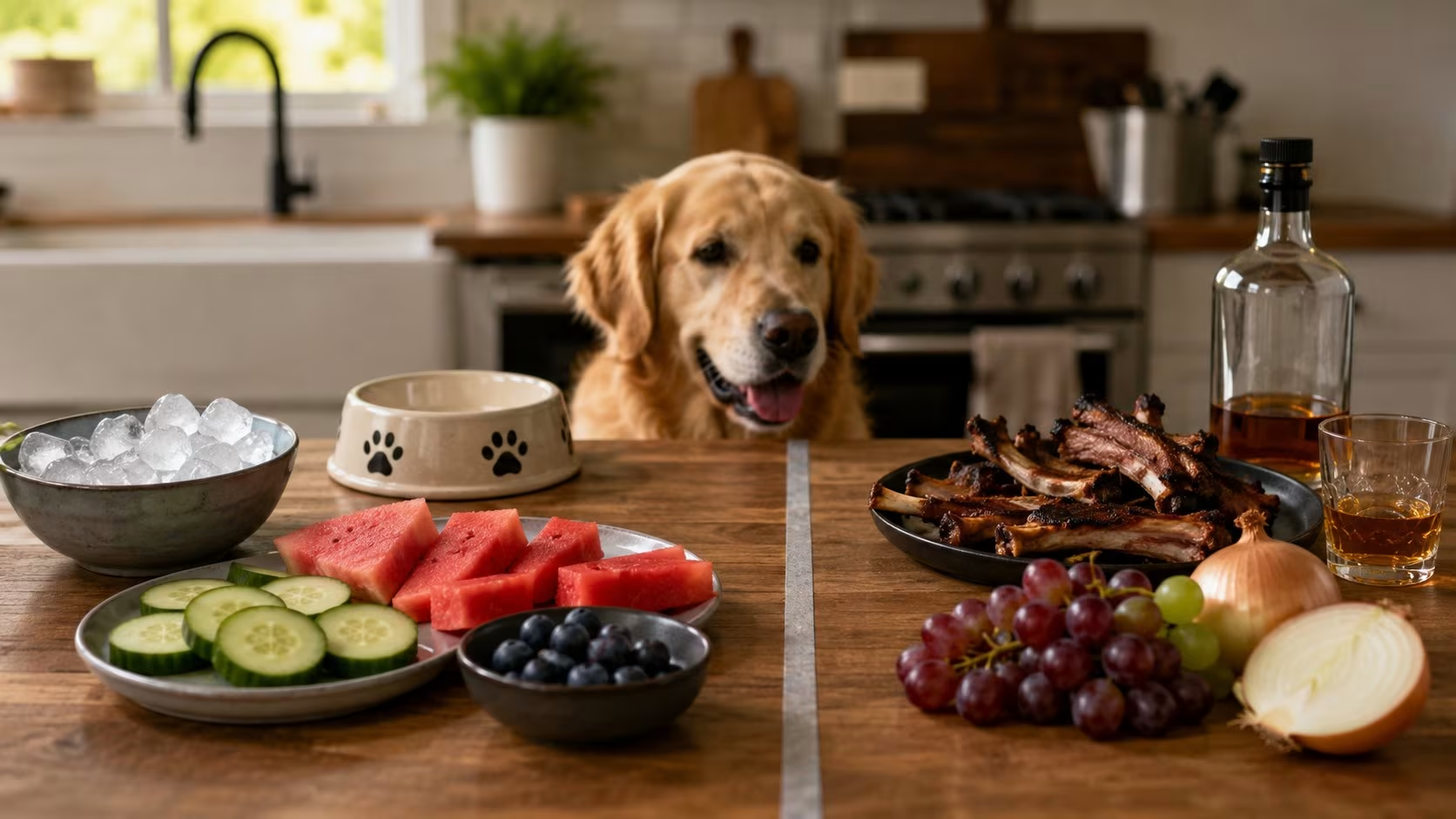
Frozen treats can be helpful if they are safe and portioned. Try frozen water in a slow feeder, diluted low-sodium broth approved by the veterinarian, frozen wet food in a lick mat, or small pieces of dog-safe fruit. Plain ice cubes are fine for many dogs, but a dog who gulps or breaks teeth on hard ice may need softer options.
Safe produce choices for many dogs include small amounts of seedless watermelon, cucumber, blueberries, or apple without seeds. Treats should stay treats, not replace balanced meals.
Do not use grapes, raisins, onions, garlic, alcohol, chocolate, macadamia nuts, xylitol-sweetened foods, salty chips, cooked bones, fatty barbecue scraps, or spicy leftovers. Summer parties create many chances for dogs to grab unsafe food.
Pawdraft's article on what to feed dogs in pregnancy is unrelated to summer cooling, but pregnant dogs need extra diet caution. Do not add cooling treats to a pregnant dog without veterinary advice.
VCA's page on heat stroke in dogs explains that dogs rely heavily on panting to regulate temperature and that heatstroke can happen from cars, yards without shade or water, hair dryers, or exercise in hot conditions. Feeding cold treats does not cancel those risks.
If the dog is overheated, move the dog to shade or air conditioning, offer small amounts of cool water if the dog can drink normally, begin gentle cooling as advised by veterinary guidance, and seek care. Do not force food or water into a weak, vomiting, or disoriented dog.
Timing meals around the hottest hours
Feed during cooler parts of the day. Early morning and late evening meals are often more comfortable than midday feeding. If the dog takes medication with food, ask the veterinarian before changing timing.
Dogs with heart disease, breathing problems, obesity, thick coats, short noses, senior age, or anxiety may struggle more in heat. Pawdraft's night anxiety in dogs article can help owners think about stress patterns because anxiety can raise panting and reduce appetite.
Watch water intake, gum moisture, energy, urine output, and appetite. A dog who is drinking far more than usual may be hot, but increased thirst can also signal diabetes, kidney disease, Cushing's disease, medication effects, or infection. A dog who drinks less in heat can dehydrate.
Pawdraft's article on heartworm signs is a reminder that panting and exercise intolerance can come from illness, not only weather.
Store dry food in a sealed container away from heat and humidity. Keep canned food refrigerated after opening. Wash bowls daily. Toss food that smells off, has insects in it, or sat in heat. Do not leave treat bags in hot cars.
Raw or lightly cooked foods carry added handling concerns. In summer, strict refrigeration and cleaning matter even more because warm kitchens and outdoor feeding increase contamination risk.
Adjusting exercise and enrichment for active dogs
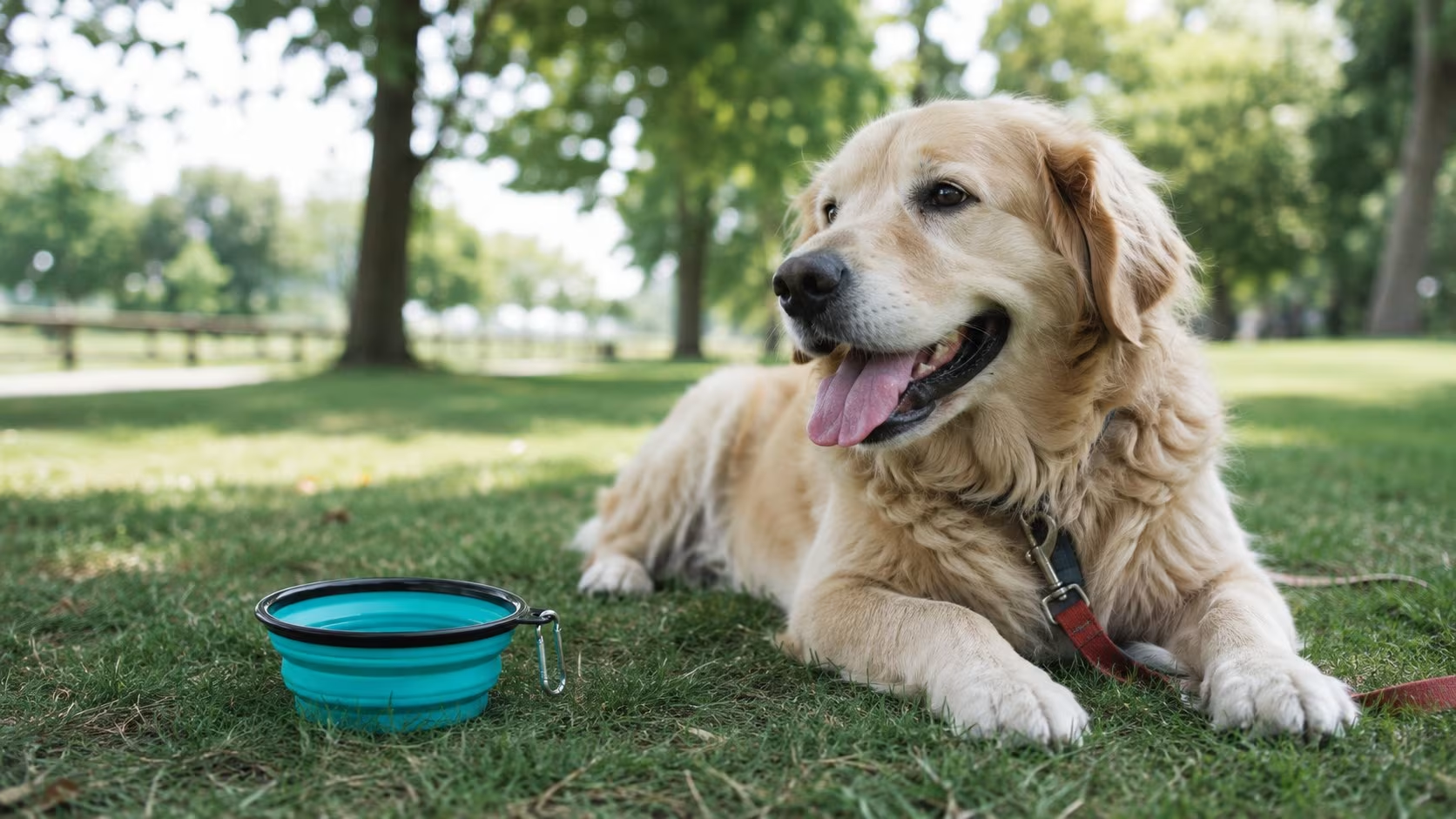
Active dogs may need schedule changes more than diet changes. Walk, train, or play during cooler hours. Carry water. Rest in shade. Avoid hot pavement. Offer water breaks before the dog seems desperate.
Top athletic dogs can still overheat. A dog who loves fetch may not stop soon enough, so the owner must stop the session.
Use food enrichment indoors during heat waves. A frozen lick mat, stuffed food toy, scatter feeding in a cool room, or simple scent game can replace a hard afternoon walk. That protects the dog from heat while still providing mental activity.
Pawdraft's article on comforting dog breeds as ESA is a different topic, but emotional support dogs still need heat-safe routines and water access.
If the dog eats a prescription diet for kidney disease, urinary problems, allergies, pancreatitis, diabetes, heart disease, or digestive disease, ask before adding summer treats. Watermelon or broth may seem harmless, but some dogs need strict sodium, protein, fat, or ingredient control.
Medication can also change thirst and appetite. Steroids, diuretics, seizure medications, and pain drugs may affect summer monitoring.
Appetite changes that signal a bigger problem
Mild appetite change during heat can happen, but do not ignore skipped meals, vomiting, diarrhea, weakness, coughing, pale gums, belly swelling, or repeated panting at rest. A dog who refuses food and seems unwell needs veterinary advice.
Try offering the normal meal in a cooler room. If the dog eats only treats and refuses balanced food, do not keep replacing meals with snacks.
Some dogs need stricter summer routines. Short-nosed breeds, seniors, puppies, overweight dogs, thick-coated dogs, pregnant dogs, heart patients, airway patients, and dogs with anxiety may overheat faster. These dogs may need shorter outdoor time, earlier walks, indoor enrichment, and closer appetite monitoring.
Do not use food to push a high-risk dog through heat. A frozen treat after a short bathroom break is fine for many dogs; a long hot walk followed by frozen snacks is still unsafe.
Summer trips change feeding risk. Pack the dog's regular food, clean bowls, bottled water if needed, a cooler for wet food, and safe treats. Avoid sharing grill scraps, corn cobs, skewers, bones, desserts, and salty foods. Keep trash bags closed and out of reach.
If the dog gets carsick, overheated, or stressed during travel, call the veterinarian before changing meals. Nausea and heat can look similar when a dog drools, pants, and refuses food.
Portion control for frozen treats and calories
Frozen treats can add calories quickly. Use small portions, especially for dogs on weight-loss plans or dogs prone to pancreatitis. A lick mat with part of the dog's normal meal is often better than adding rich extras.
Check ingredients in store-bought frozen dog treats. Avoid xylitol, high fat, heavy salt, and unfamiliar ingredients that upset the stomach.
A dog who is very thirsty after heat exposure may still be in danger. Heavy panting, weakness, vomiting, diarrhea, confusion, dark red gums, pale gums, or collapse means the dog needs medical help. Offer small amounts of water if the dog is alert, but do not delay care.
Food should wait until the dog is stable and breathing normally. Cooling and veterinary advice come first.
Place bowls where the dog actually rests, not only in the kitchen. A second bowl near the sleeping area or shaded door can help older dogs, puppies, and dogs with sore joints drink without extra effort.
Refresh those bowls before bedtime during heat waves.
Recap on summer feeding and heat safety
To feed a dog in summer, prioritize water, cooler meal times, safe moisture-rich options, clean bowls, careful food storage, and dog-safe frozen treats in small amounts. Avoid toxic party foods and heat-spoiled meals. Food can support hydration, but heat safety depends on shade, rest, ventilation, water, and fast action when panting, weakness, vomiting, confusion, or collapse suggest overheating.



0 Comments
No comments yet. Be the first to share your thoughts!
Leave a Comment