

A dog licking its paws once in a while may be grooming. A dog who chews, stains, reddens, swells, limps, or wakes up to lick is telling you something is wrong. Paw licking is a symptom, not a personality quirk.
The most common causes include allergies, yeast, bacterial infection, parasites, foreign material, nail pain, pad injury, arthritis, dry skin, anxiety, and habit after an old irritation. More than one can happen at the same time.
Inspecting paws for injury and allergy signs
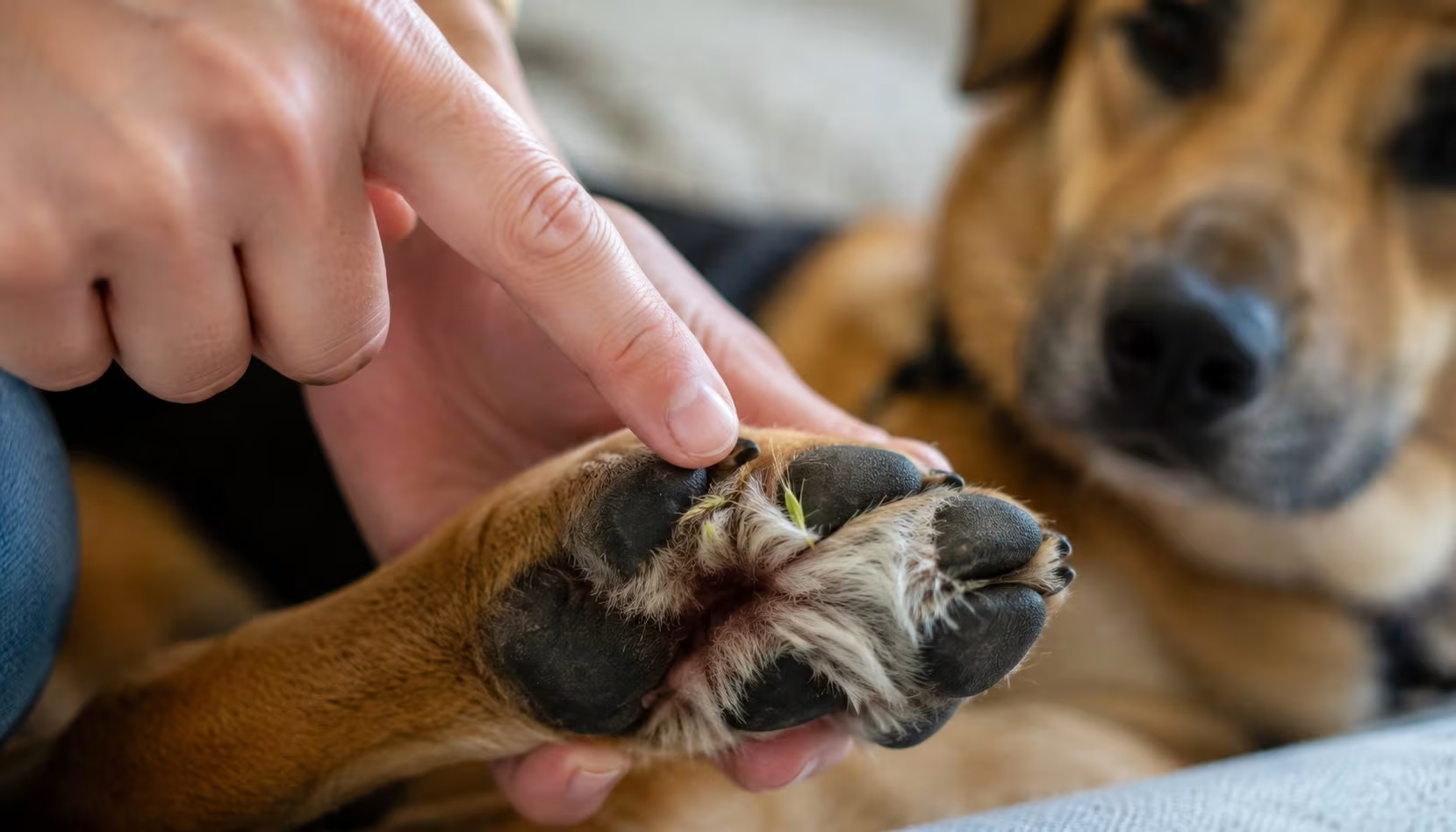
Look between the toes, under the pads, around nails, and along the dewclaws. Check for redness, swelling, cuts, burrs, foxtails, thorns, ticks, cracked pads, broken nails, odor, brown saliva staining, or a soft lump between toes. Compare all four feet.
If the dog pulls away, growls, yelps, or limps, stop and call the vet. Painful paws can make even gentle dogs defensive.
VCA's guide to pododermatitis in dogs explains that paw inflammation can come from infections, allergies, immune disease, hormonal disease, parasites, foreign bodies, and tumors.
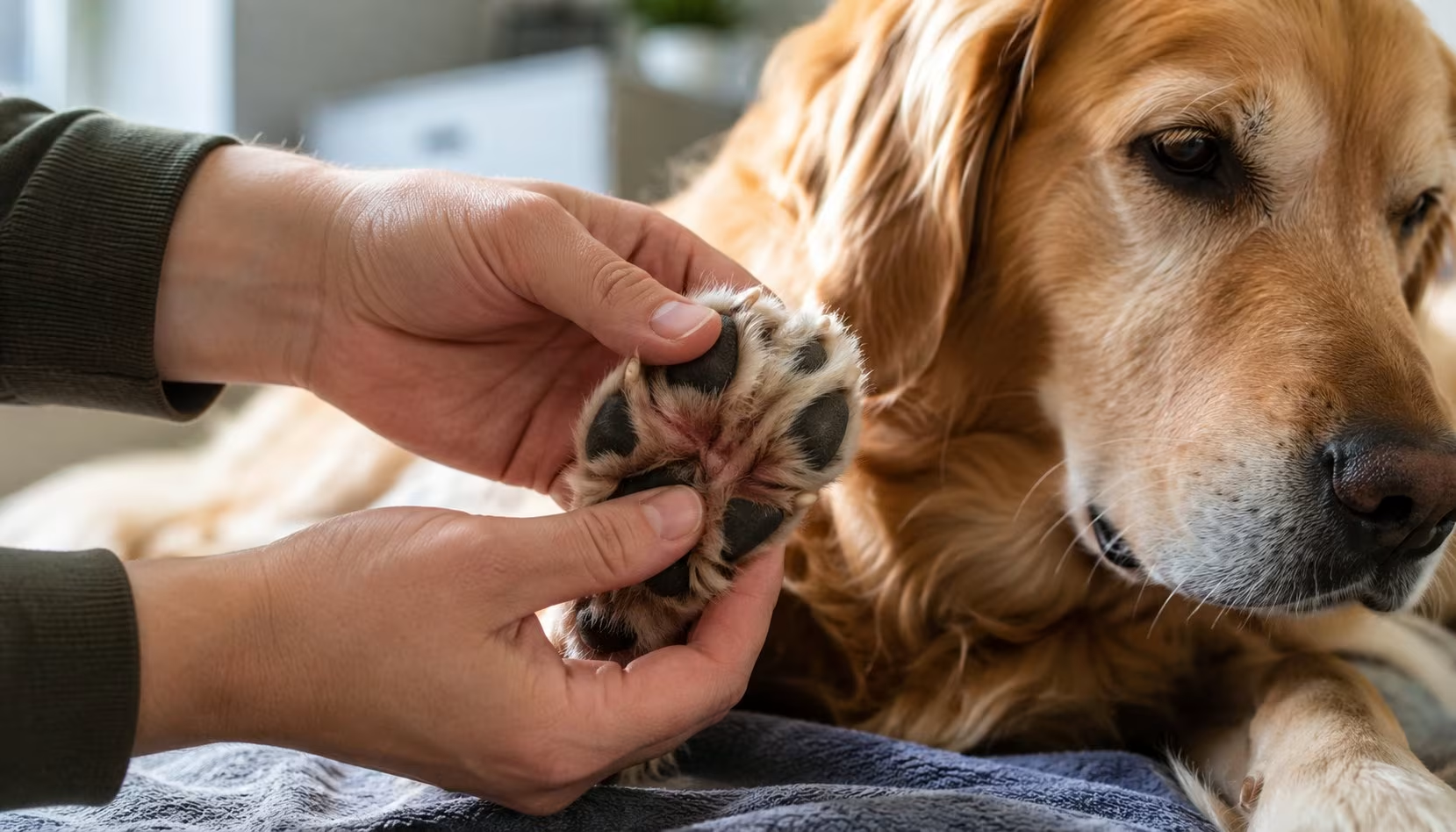
Allergies are a major reason dogs lick paws. Environmental allergens such as pollen, dust mites, mold, and grasses can inflame the skin. Food allergy can also show up as itchy paws, ears, skin, or digestive signs.
Cornell's guide to atopic dermatitis in dogs describes atopy as a common itchy skin disease that can affect quality of life and often needs ongoing care.
Allergic paw licking often affects more than one foot and may flare by season. The dog may also have ear infections, belly redness, face rubbing, or recurrent skin bumps.
Paws are warm, moist, and easy to lick. Once inflammation starts, yeast and bacteria can overgrow. Yeast may smell musty or cause greasy brown debris. Bacterial infection may cause pustules, scabs, swelling, pain, or discharge.
VCA's guide to yeast dermatitis in dogs explains that Malassezia yeast normally lives on skin but can overgrow and cause dermatitis. Treating the overgrowth helps, but the trigger still needs attention.
Sudden one-paw licking and foreign objects
A dog who suddenly licks one paw after a walk may have a thorn, glass, foxtail, ice ball, burn, torn nail, or pad cut. One-paw licking is more suspicious for injury than all-four-foot licking.
Do not dig deeply for a foreign object. If you cannot remove it easily, or if swelling is present, call the vet. Foxtails and grass awns can migrate into tissue.
Paw licking can come from pain higher up the leg. Arthritis, wrist pain, elbow pain, shoulder pain, hip pain, or nerve discomfort can make a dog lick the foot as a response to aching. Senior dogs may lick at night when joints are sore.
Pawdraft's article on symptoms of an ill aging dog can help owners connect paw licking with slower rising, stiffness, sleep changes, or reduced appetite.
Broken nails and overgrown nails also hurt. Check nail length and cracks. A nail split into the quick can bleed, swell, and become infected.
Fleas, mites, ticks, and other parasites can make paws itchy. Some mites affect feet and ears. Flea allergy may cause widespread itch even when fleas are hard to find.
Use vet-approved parasite prevention. If bites or exposure are a concern, Pawdraft's guide to dog bites and rabies is unrelated to paw licking but reinforces a useful habit: check skin promptly after outdoor incidents and get medical advice when exposure risk is unclear.
Stress versus medical causes of licking
Stress can contribute, especially when medical causes are treated and licking continues. Dogs may lick during boredom, separation distress, conflict, or bedtime arousal. But anxiety should not be the first assumption when paws are red, smelly, swollen, or painful.
If behavior is part of the pattern, increase predictable exercise, scent work, food puzzles, rest, and calm training. Pawdraft's article on benzodiazepine use in dogs is a reminder that medication for fear or anxiety should be veterinary-led, especially if other health issues are present.
Do not punish paw licking. The dog may be itchy or painful. Do not apply harsh human creams, essential oils, alcohol, peroxide, or random antifungals. Dogs lick products off, and some ingredients are unsafe.
Do not start a raw diet because you suspect allergy. Pawdraft's guide to raw food diets for dogs with kidney failure shows why diet choices should consider health status and pathogen risk. Food trials should be planned with the vet.
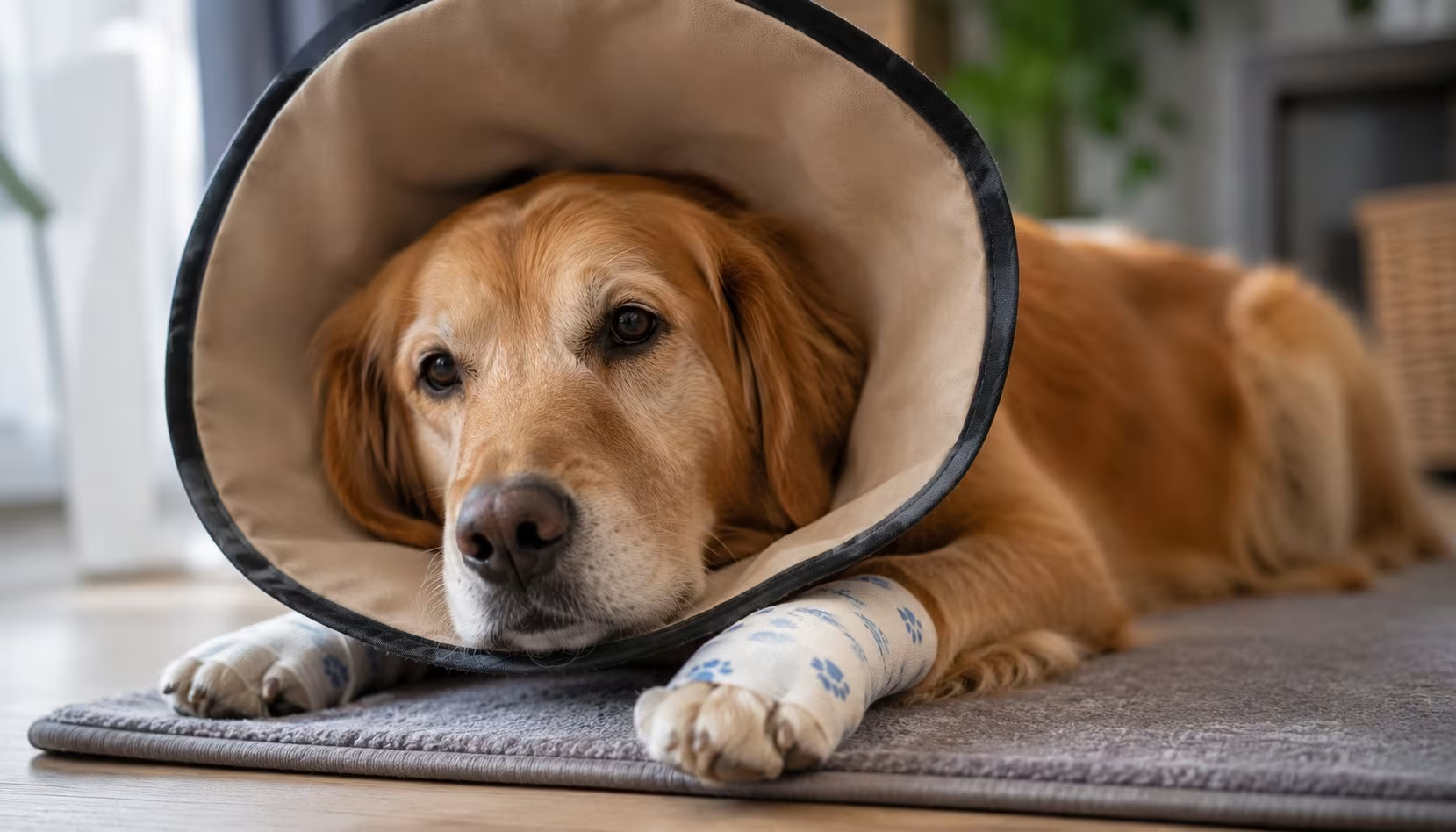
Rinse paws with plain water after pollen-heavy walks if your vet says that is appropriate. Dry between toes. Use a cone or boot only if it does not trap moisture and the dog tolerates it. Keep nails trimmed and bedding clean.
Take photos. Paw problems can look better after licking pauses, then worse at night. Photos help the vet see the real pattern.
Red flags and keeping a paw diary
Call if licking lasts more than a day or two, one paw is swollen, the dog limps, the skin smells, discharge appears, nails are broken, pads are cracked, there is bleeding, or the dog cannot sleep. Also call if licking returns after each treatment.
Dogs with breathing disease or chronic illness may need special medication choices. Pawdraft's article on COPD disease in dogs is not about paws, but it highlights why the whole medical record matters before using medication.
Keep a paw diary for a month. Note weather, pollen-heavy days, lawn care, new floor cleaners, hikes, daycare, baths, treats, and parasite prevention. If licking spikes after grass exposure, outdoor allergens or contact irritation may be involved. If it happens after every new protein treat, diet history matters.
Photos are useful for paws because saliva staining builds slowly. A picture every few days can show whether redness is shrinking, spreading, or moving between feet.
Many owners notice paw chewing at bedtime. That can happen because the house is quiet and the dog has fewer distractions, but it can also mean itch or pain is worse after a day of walking. Senior dogs may lick sore feet or joints after lying down.
If night licking keeps the dog or family awake, call the vet. Sleep loss is a welfare issue, and repeated licking can create infection.
Boots, balms, and diagnostic testing options
Boots can protect paws from salt, ice, heat, or rough ground, but they can also trap moisture if used too long. Introduce them gradually with food rewards. Remove them indoors and check for rubbing.
Paw balms may help dry pads, but they do not treat infection, allergy, or foreign material. If a product makes the dog lick more, stop and ask the vet.
The vet may recommend cytology, skin scraping, fungal testing, allergy assessment, diet trial, X-rays, or culture. Cytology can quickly show yeast or bacteria. X-rays may be needed if pain, swelling, or a foreign body is suspected.
Getting a sample before random treatment gives a cleaner answer. If you have already used creams or wipes, tell the clinic.
Once medical treatment starts, the dog may still lick from habit or because the skin is healing. Use cones, recovery collars, socks only under supervision, enrichment, and calm redirection. The skin cannot recover if the dog keeps chewing it open.
Setting realistic recovery timeline expectations
The timeline depends on the cause. A thorn removed from one paw may improve quickly. Allergic paws may need weeks of flare control and long-term prevention. Yeast or bacterial infection may look better before treatment is finished.
Ask the vet what improvement should look like after three days, one week, and one month. That prevents endless waiting when the plan is not working.
If the dog improves only while wearing a cone, tell the vet. That may mean the skin still itches, the habit is strong, or protection is the only thing stopping new injury.
After the paws heal, keep the prevention plan going. That might mean parasite control, wiping paws after walks, medicated baths on a schedule, a strict diet trial, nail care, weight control, or anxiety support. Stopping everything at once can let the cycle restart.
If licking comes back, compare the new episode to the old one. Same season, same foot, same smell, or same treat can point toward the trigger.
If the vet rules out pain, infection, allergy, and parasites, behavior support may help. Increase predictable exercise, chew outlets, scent work, and rest. Teach the dog to settle on a mat. Interrupt licking gently with a cue and reward another behavior.
Compulsive licking may need a veterinary behavior plan. It should still be treated with kindness because the dog is not choosing to damage its own feet for attention.
Finding the pattern behind paw licking
Dogs lick and chew paws because something is itchy, painful, infected, irritating, or stressful. Start with a careful paw check, then look for patterns: one paw versus several, seasonal flares, odor, swelling, limping, and ear or skin signs. The best care treats infection when present and then finds the trigger so the licking does not become a cycle.


0 Comments
No comments yet. Be the first to share your thoughts!
Leave a Comment