

A snoring dog does not always have a health problem. Some dogs snore lightly because of sleep position, short muzzle shape, soft palate vibration, or temporary nasal congestion. The concern rises when snoring starts suddenly, becomes louder, happens while awake, or comes with labored breathing, coughing, collapse, blue gums, or poor exercise tolerance.
Snoring is a sound, not a diagnosis. The question is whether air is moving comfortably. A dog who snores softly while sleeping and wakes bright may simply need observation. A dog who struggles to breathe, cannot rest, or makes harsh airway noise needs veterinary attention.
Sleep position and short-nosed breed anatomy
Mild snoring during deep sleep can be normal, especially if the dog is lying on the back or has a short nose. A change is more meaningful than the sound alone. Owners should notice whether the dog snores only asleep, snores awake, pants at rest, gags, coughs, wakes suddenly, stretches the neck to breathe, or avoids exercise.
Pawdraft's guide to common dog medical problems is useful for broad triage, but breathing changes deserve special caution. A dog can compensate for airway trouble until heat, stress, illness, or weight gain tips the balance.

Bulldogs, French bulldogs, pugs, Boston terriers, Shih Tzus, Pekingese, boxers, and similar short-faced breeds are more likely to snore because of anatomy. Narrow nostrils, elongated soft palate, small windpipe, and airway tissue changes can all make breathing noisy.
VCA's page on brachycephalic airway syndrome in dogs says mildly affected dogs often have noisy breathing with exercise and may snort when excited and snore when relaxed or asleep. Severe signs include tiring easily, collapse, fainting, and worse signs in hot or humid weather.
Snoring may be common in these breeds, but common does not mean harmless. If noise is paired with distress, heat intolerance, sleep disruption, or exercise trouble, the dog needs an exam.
Sudden snoring in a dog who was previously quiet may come from nasal inflammation, allergies, infection, a foreign object, dental disease, oral swelling, a mass, trauma, medication sedation, weight gain, or something lodged in the nose or throat. The timeline helps the vet narrow the cause.
Pawdraft's article on why dogs shake their ears covers a different head-area symptom, but the lesson is similar: repetitive head, ear, nose, or throat signs often need an exam instead of guessing.
Nasal discharge and weight gain triggers
Dogs with nasal discharge, sneezing, reverse sneezing, facial swelling, nosebleeds, pawing at the face, bad breath, coughing, gagging, or trouble swallowing may have more than simple snoring. Dental roots, nasal mites, foreign material, tumors, fungal disease, rhinitis, and throat inflammation can all change airway sounds.
Pawdraft's article on lymphoplasmacytic rhinitis in dogs is relevant for chronic nasal inflammation. Long-term nasal noise, discharge, or sneezing should be investigated, especially if one side is worse.
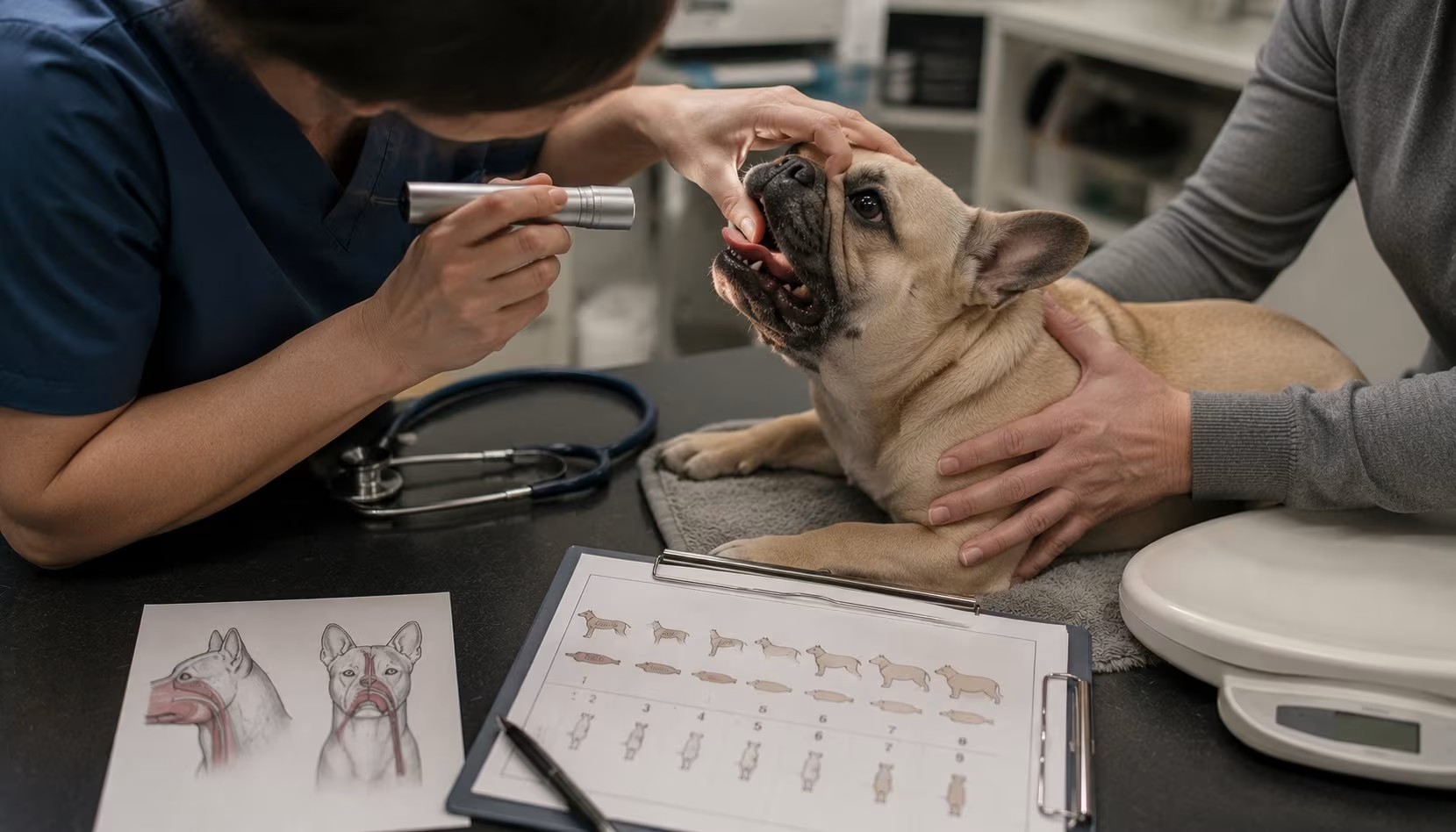
Extra weight can worsen snoring because fat around the neck and chest can reduce airway comfort and make breathing work harder. Even a small weight gain may matter for short-faced dogs. Sleep position can also change the sound; a dog may snore more on the back than on the side.
Do not start a crash diet. Ask the veterinarian for a body condition score, target weight, calorie plan, and safe exercise advice. Dogs with airway problems may need weight loss without heavy heat or exertion.
Dogs cool themselves by panting. Any airway problem makes heat and humidity more dangerous. A snoring short-faced dog who also pants hard, slows down quickly, refuses to walk, vomits foam, or collapses during warm weather needs urgent care.
Cornell's page on brachycephalic obstructive airway syndrome lists common affected breeds and explains the upper-airway anatomy behind the condition. Owners of these dogs should plan around temperature, excitement, and exertion.
Coughing alongside a nighttime snore
Snoring plus coughing may point to airway irritation, infection, collapsing trachea, heart disease, chronic bronchitis, pneumonia, or other respiratory disease. A wet cough, fever, weakness, fast breathing, blue gums, or poor appetite raises concern.
Pawdraft's article on COPD disease in dogs can help owners understand chronic lower-airway disease. A sleeping snore and a cough from the lungs are different problems, but they can happen in the same dog.
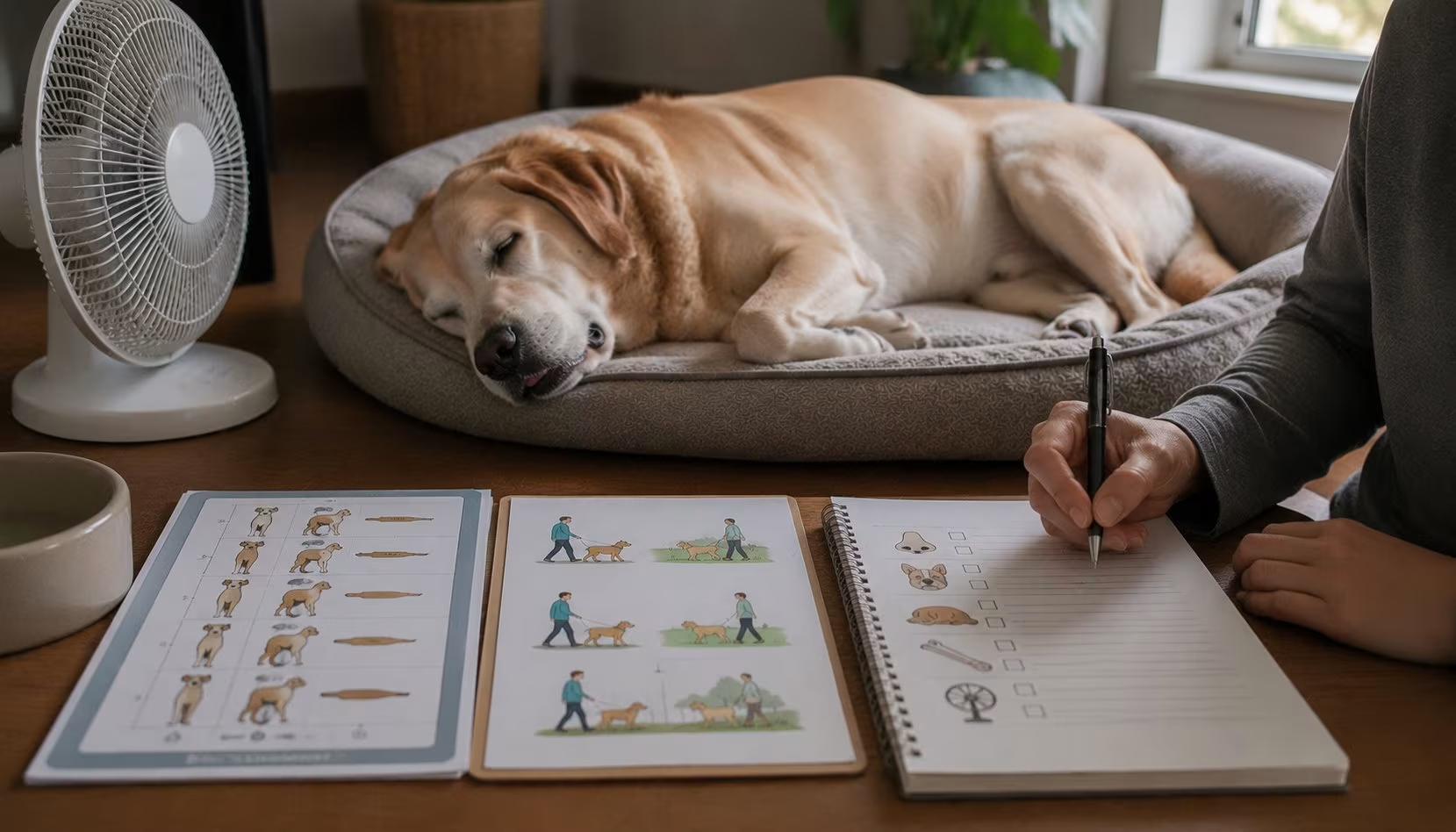
Some dogs snore more after anesthesia, sedatives, pain medicine, antihistamines, or other medications because muscles relax and airway tissues vibrate more. Mild temporary noise after a procedure may be expected, but labored breathing, pale or blue gums, repeated vomiting, collapse, or inability to rest is not.
If snoring begins after a new medication, call the clinic before stopping it. The team needs to know the dose, timing, and whether the dog is breathing normally while awake.
Go to emergency care if the dog has blue or gray gums, open-mouth breathing at rest, collapse, fainting, severe distress, noisy breathing while awake that does not settle, heat stress, swollen face, choking, or suspected obstruction. Do not force food, water, or pills into a dog struggling to breathe.
Pawdraft's article on rat poison symptoms in dogs is not about snoring, but toxin exposure can affect breathing, bleeding, weakness, and emergency decisions. Mention any possible toxin exposure when calling.
The veterinarian may examine the nose, mouth, throat, teeth, tonsils, weight, heart, lungs, temperature, and oxygen status. Testing may include X-rays, blood work, airway exam under sedation, rhinoscopy, CT, dental imaging, infectious disease testing, or referral for airway surgery evaluation.
Short-faced dogs may benefit from early discussion about nostril or soft palate surgery if anatomy is causing distress. Not every snoring dog needs surgery, but dogs with poor airflow should not be ignored because the sound seems typical for the breed.
Filming breathing sounds for the vet
Keep the dog lean, use air conditioning in heat, avoid heavy exertion in humid weather, use calm walks, reduce smoke and dust exposure, and provide a comfortable sleeping position. For short-faced breeds, ask the vet whether neck pressure should be avoided during walks and what equipment is safest for that dog.
Track video of the breathing sound while asleep and awake. Video helps the clinic hear patterns that may not happen during the appointment. Include a clip after mild exercise if the dog can do that safely.
Snoring matters more if the dog cannot sleep well. Watch for repeated waking, restless position changes, sleeping with the neck stretched, sitting up to breathe, gagging during sleep, or daytime tiredness after a noisy night. Dogs need steady sleep, and airway obstruction can make rest fragmented.
Keep a short sleep log for a week if the dog is stable. Note bedtime, room temperature, sleep position, snoring volume, coughing, gagging, and whether the dog seems refreshed in the morning. That log gives the veterinarian more than a single description of "loud."
Bad breath, drooling, dropping food, pawing at the mouth, facial swelling, or chewing on one side can point toward dental or oral disease rather than simple snoring. Infected teeth, oral masses, tonsil problems, and swelling can all change airflow or sleep comfort.
Do not pry the mouth open if the dog is painful or struggling to breathe. If the dog allows gentle viewing, photos of swelling or discharge may help. The clinic may need sedation for a safe oral and airway exam.
Airway checks for short-faced puppies
For puppies and young dogs from short-faced breeds, early airway conversations can prevent years of unmanaged distress. Ask the vet to assess nostril width, breathing noise, heat tolerance, sleep quality, weight, and exercise recovery at routine visits. Waiting until collapse occurs leaves fewer calm options.
Lifestyle choices matter too. Keep walks cool and short during heat, avoid high-arousal play in humid weather, travel with cooling plans, and monitor weight closely. These steps do not fix anatomy, but they reduce avoidable stress on a narrowed airway.
Seasonal allergies, dust, smoke, perfume, cleaning sprays, pollen, and dry indoor air can irritate the nose or throat. Dogs may sneeze, snore more, rub the face, or have watery eyes. Mild irritation can still be uncomfortable, and chronic inflammation can hide a deeper problem.
Reduce smoke and strong scents around the dog, wash bedding, and keep sleeping areas clean. If discharge is thick, bloody, one-sided, or paired with facial swelling, do not assume allergies. Those signs need an exam.
For a stable dog, learn the normal resting breathing rate while asleep. Count breaths for thirty seconds and double the number, or count for a full minute. Do this when the dog is asleep, not after play or excitement. A rising resting rate can help catch respiratory or heart trouble earlier.
If breathing is labored, noisy while awake, or the dog looks distressed, skip the log and call for urgent care. Counting is only for stable monitoring, not for delaying help.
Distinguishing normal snoring from distress
A snoring dog may be normal, especially in some short-faced breeds, but sudden, loud, worsening, or awake snoring should be checked. Seek urgent care for breathing distress, blue gums, collapse, heat stress, choking, or severe exercise intolerance. The goal is not to stop every sleep noise; it is to make sure the dog can move air comfortably and safely.




0 Comments
No comments yet. Be the first to share your thoughts!
Leave a Comment