

Dogs can face many common health ailments across a lifetime: dental disease, skin irritation, ear infections, parasites, obesity, arthritis, stomach upset, coughing, urinary problems, eye disease, and injuries. Some are mild. Some become serious when ignored.
The useful skill for owners is not diagnosing every disease at home. It is noticing changes early, knowing which signs are urgent, and keeping routine veterinary care on schedule so small problems do not become harder to treat.
Dental disease and itchy skin problems
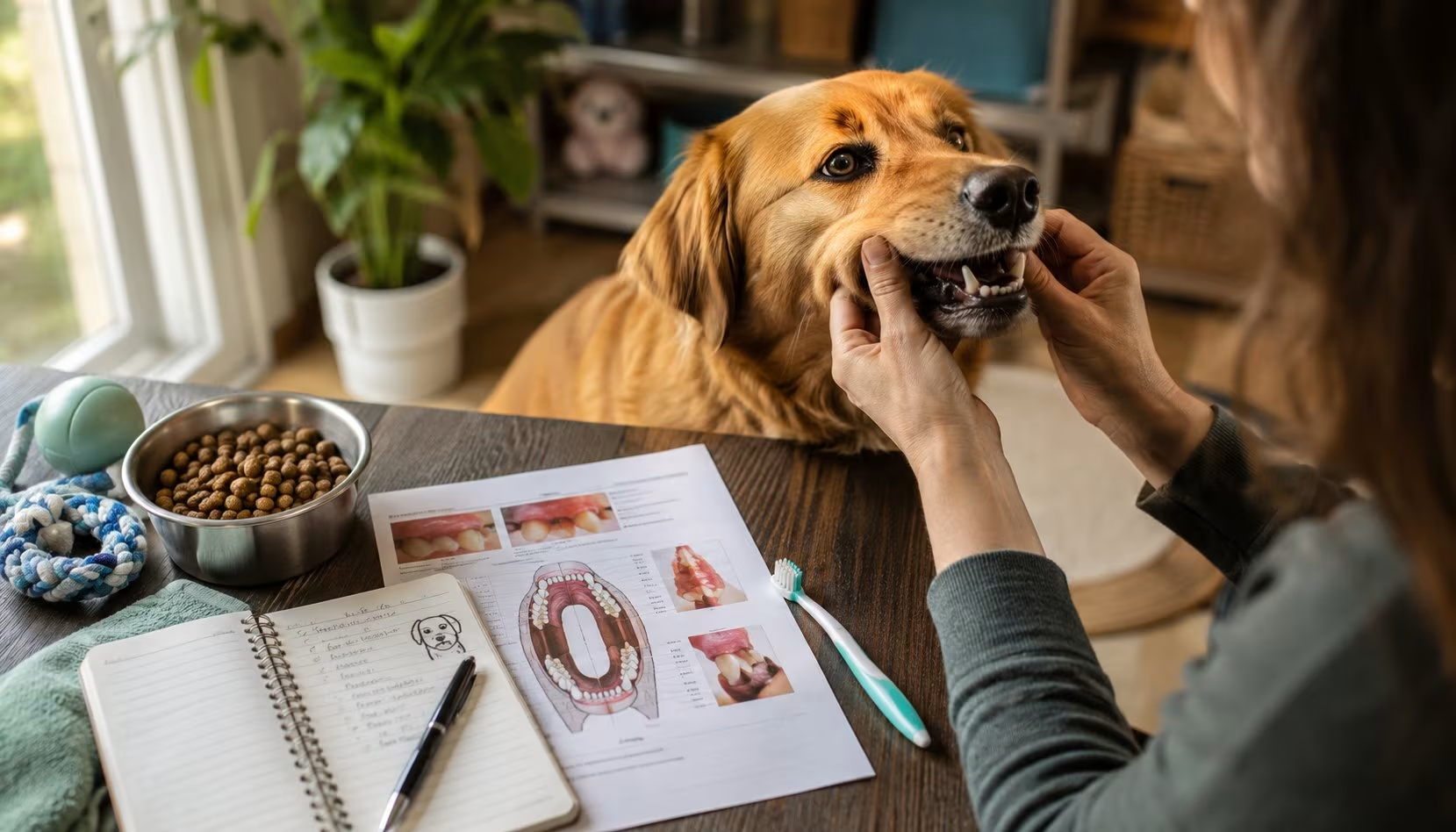
Bad breath, tartar, red gums, drooling, dropping food, pawing at the mouth, face swelling, and chewing on one side can point to dental disease. Dental pain can make a dog quieter, pickier, or irritable.
Pawdraft's guide to signs and symptoms of dog mouth disease covers mouth warning signs in more depth. Dental disease can affect comfort and may contribute to infection risk beyond the mouth.
Itching, licking paws, red skin, hot spots, hair loss, scabs, odor, and recurring ear infections can come from fleas, environmental allergies, food allergy, mites, ringworm, infection, or hormonal disease. Skin problems often look similar at home.
Do not keep rotating shampoos if the dog has open sores or odor. A veterinarian may need to check for bacteria, yeast, parasites, or ringworm.
Head shaking, scratching ears, odor, redness, discharge, pain, or head tilt can point to ear disease. Dogs with allergies, floppy ears, narrow canals, or frequent swimming may have repeated problems.
Ear infections need the right medication for the cause. Leftover ear drops can be risky if the ear drum is damaged or the infection type has changed.
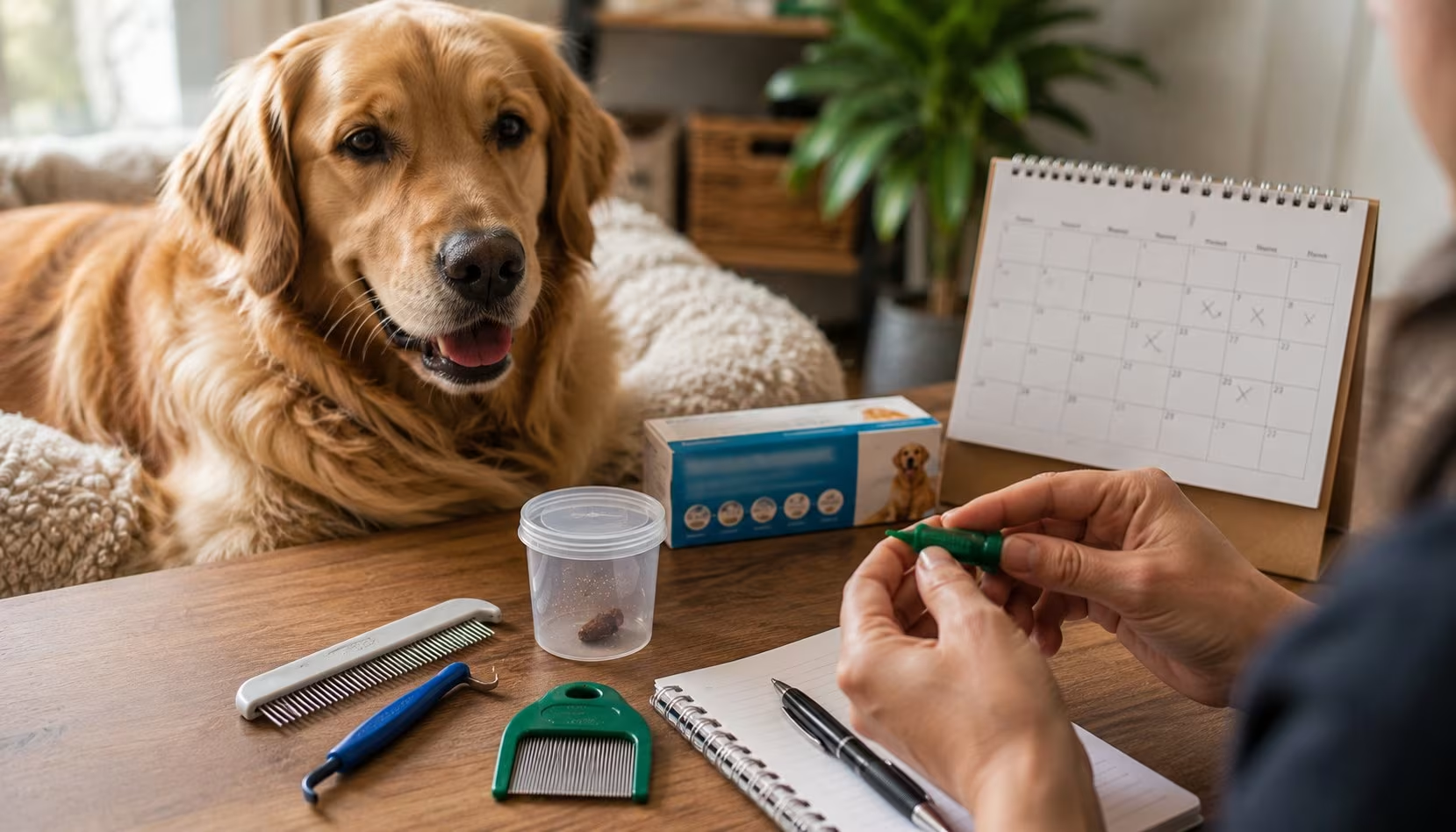
Fleas, ticks, intestinal worms, heartworms, mites, and Giardia can all affect dogs. Some parasites can also affect people. CDC's Healthy Pets dog page lists several diseases associated with dogs and explains why hygiene, veterinary care, and prevention matter.
Pawdraft's article on types of worms in dog stool can help owners recognize visible worm clues, but fecal testing is still needed because many parasites are not visible.
Obesity, arthritis and joint pain
Extra weight is one of the most common dog health problems. It can worsen arthritis, breathing strain, heat intolerance, diabetes risk, skin folds, and stamina. Many owners do not notice gradual weight gain until the dog struggles with normal activity.
VCA's guide to obesity in dogs describes obesity as a medical condition. Pawdraft's dog weight loss tips can help owners build a measured plan with their veterinarian.
Limping is not the only pain sign. Dogs may hesitate on stairs, rise slowly, avoid jumping, sleep more, lick joints, pant, tremble, or become grumpy when touched. Arthritis is common in seniors, but injuries and orthopedic disease can affect younger dogs too.
Weight control, safe exercise, pain medication, joint plans, and home changes can help. Do not give human pain medication unless a veterinarian prescribes it.
Mild stomach upset can happen, but repeated vomiting, blood, black stool, severe diarrhea, dehydration, belly pain, weakness, or symptoms in a puppy or senior dog need care. Dogs can become dehydrated quickly.
Keep notes about food changes, treats, trash, toys, plants, medications, and stool quality. Those details help the clinic decide what to test.
Coughing, urinary trouble and eye redness
Coughing can come from kennel cough, chronic bronchitis, collapsing trachea, heart disease, pneumonia, parasites, or airway irritation. Labored breathing, blue gums, collapse, or open-mouth breathing at rest is urgent.
Pawdraft's article on COPD in dogs explains why chronic coughing should not be ignored.

Frequent urination, accidents, blood, straining, licking, or inability to urinate can point to UTI, stones, diabetes, kidney disease, prostate disease, or blockage. Inability to urinate is an emergency.
Pawdraft's guide on how to help a dog with a urinary tract infection explains why urine testing matters before treatment.
Redness, squinting, discharge, cloudiness, rubbing, or sudden vision change needs prompt care. Eye disease can become painful or vision-threatening quickly. Do not use old drops without an exam.
Pawdraft's common eye problems in dogs article covers urgent eye signs such as glaucoma, ulcers, dry eye, and injuries.
Behavior changes can be medical. A dog who hides, snaps, paces, wakes at night, forgets house training, or seems clingy may be in pain, anxious, cognitively changed, or sick. Sudden aggression can come from pain or neurologic disease.
AVMA's guide to senior pets notes that behavior changes can reflect pain, discomfort, sight changes, or hearing changes in aging pets.
Deciding between home care and urgent visits
Home care may be reasonable for a mild, brief issue in a bright adult dog who is eating, drinking, breathing normally, and improving quickly. Even then, call if the problem persists or returns.
Use common sense: rest, clean water, normal food unless directed, and observation. Avoid human medications and internet mixtures.
Seek urgent care for collapse, trouble breathing, blue or pale gums, seizures, severe pain, inability to urinate, swollen belly with retching, repeated vomiting, heatstroke signs, toxin exposure, major bleeding, or sudden paralysis.
Fast action matters more than trying to name the disease.
Some ailments are quiet early. Dental disease can hide under tartar. Heart murmurs may be found before coughing starts. Weight gain may build slowly. Blood and urine changes may appear before a dog looks sick.
Wellness exams give the veterinarian a baseline. When the dog changes later, there is something to compare against.
Human pain relievers, cold medicines, sleep aids, and leftover pet prescriptions can be dangerous. Dogs should not receive medication because it helped another dog. Weight, diagnosis, kidney function, liver function, age, and other drugs all matter.
If your dog is painful, call for dog-safe options. Guessing with home medication can turn a manageable ailment into an emergency.
Logging symptoms across puppy to senior stages
A simple log can help: appetite, water, stool, urine, coughing, itching, medication, and energy. Photos of skin, stool, eyes, or posture can show changes clearly. Videos of coughing, limping, or odd episodes are often useful.
Bring the log to visits. It saves time and reduces the chance that a subtle pattern is missed.
Puppies commonly face parasites, vaccine-preventable diseases, diarrhea, injuries, and congenital issues. Adult dogs often face dental disease, skin allergies, ear infections, weight gain, and injuries. Senior dogs are more likely to face arthritis, heart disease, kidney disease, tumors, vision changes, hearing loss, and cognitive changes.
The same symptom can mean different things at different ages. Vomiting in a puppy can become urgent faster. A new cough in a senior dog may need heart and lung evaluation. A limp in an athletic adult may be injury, while a limp in an older dog may be arthritis or cancer.
Breed, body shape, coat, activity, and environment change risk. Toy breeds may have dental and kneecap issues. Large breeds may face orthopedic strain and bloat risk. Dogs who swim may get ear infections. Dogs who hike may meet ticks. Dogs in daycare may get respiratory infections.
Tell your veterinarian what your dog actually does each week. A couch-loving senior and a traveling sport dog need different prevention plans.
Watching appetite and grooming as prevention
A prevention routine includes vaccines, parasite control, dental care, weight checks, grooming, exercise, safe food, and quick attention to new signs. It also includes knowing your dog's normal behavior. Normal appetite, water intake, stool, gait, and sleep are baseline data.
When something changes, you will notice sooner. That is often the difference between a simple appointment and an emergency.
Food and water habits affect many ailments. A dog who suddenly eats less, drinks much more, raids trash, or gains weight may be showing early disease or a routine problem. Keep food measured and water available, but also notice changes.
Do not make major diet changes during illness unless your veterinarian recommends it. Sudden food changes can add vomiting or diarrhea to an already confusing picture.
Brushing, nail trims, ear checks, and bathing are chances to find problems. Look for lumps, sore spots, ticks, mats, odor, broken nails, paw redness, and weight change. A dog who suddenly hates grooming may be painful.
Short, regular checks are easier than discovering a large mat, infected ear, or hidden wound later.
Everyone in the home should know the dog's normal limits. If one person feeds extra treats, another misses medication, and another ignores limping, patterns get blurred. A shared note on the fridge can keep meals, walks, symptoms, and medication clear.
Consistency does not need to be complicated. It just needs to be repeatable.
Repeatable routines reveal changes faster than scattered care.
They also help sitters.
And they reduce missed doses.
Summary of frequent canine ailments
Common dog health ailments include dental disease, skin problems, ear infections, parasites, obesity, arthritis, stomach upset, coughing, urinary signs, eye problems, and behavior changes tied to pain or illness.
Owners help most by tracking changes, using prevention, keeping wellness visits, avoiding unsafe home medication, and calling the veterinarian when signs are painful, persistent, sudden, or severe.




0 Comments
No comments yet. Be the first to share your thoughts!
Leave a Comment