

An emotional support rabbit can be a good fit for some people, especially those who want quiet companionship and a predictable home routine. Rabbits can be gentle, observant, clean, and social when handled well. They are also fragile prey animals with specific diet, housing, veterinary, and behavior needs.
Before choosing a rabbit as an ESA, look beyond the cute image. A rabbit is not an easy starter pet. It needs hay, safe housing, chewing outlets, rabbit-savvy veterinary care, and patient interaction.
Quiet companionship and daily feeding routines
Rabbits are often quieter than dogs and may suit apartments or people sensitive to barking. A relaxed rabbit can sit nearby, explore a safe room, nudge for attention, or share a calm routine. For some owners, that quiet presence is emotionally grounding.
The benefit depends on the rabbit's personality and the owner's expectations. Many rabbits do not enjoy being carried, and forcing handling can damage trust.
Pawdraft's guide to benefits of having an emotional support animal explains how support can come from routine and presence, not only public access.
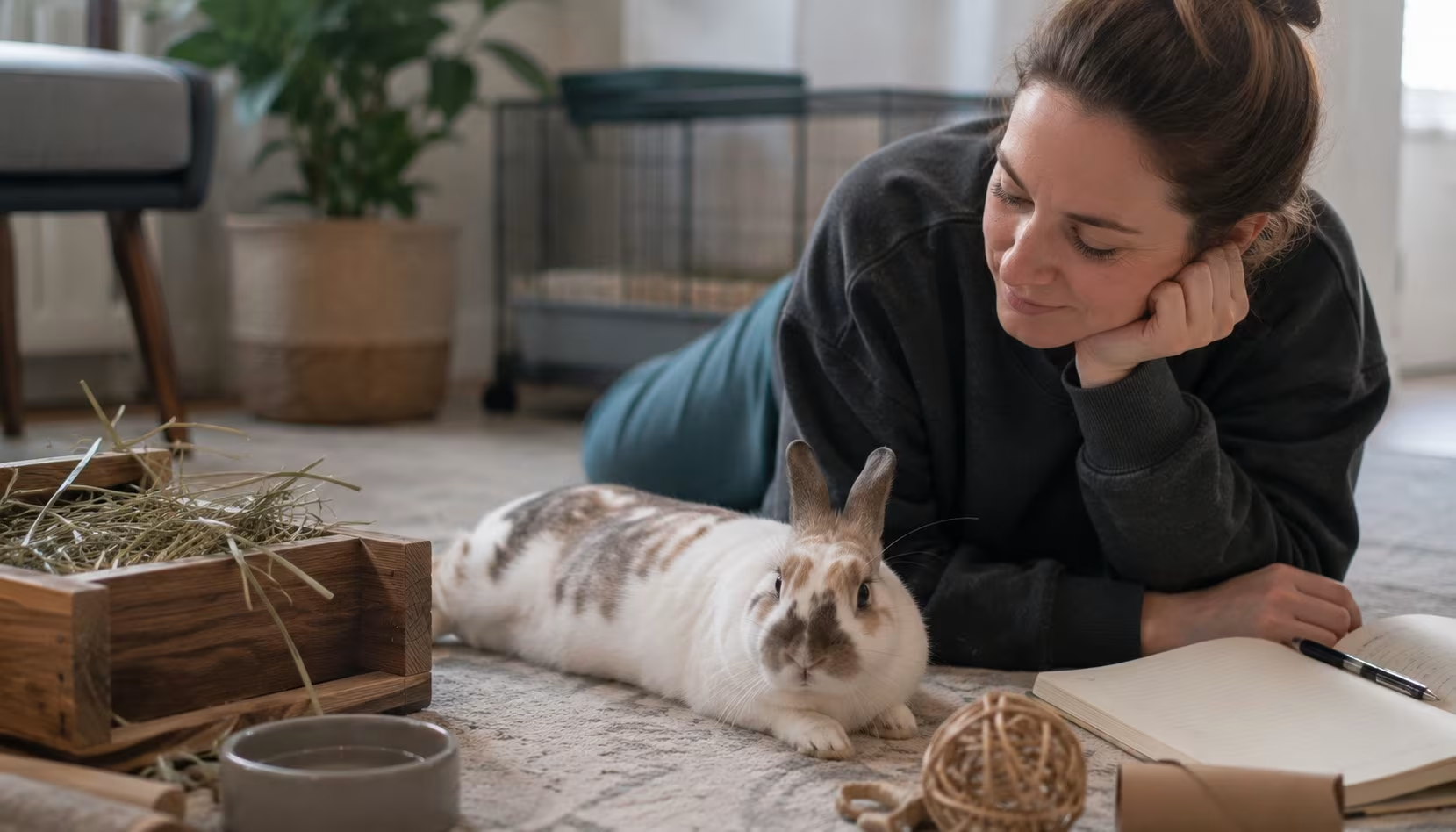
Rabbits need daily feeding, hay refills, litter cleaning, fresh water, exercise time, and observation. That routine can help a person structure the day. A rabbit's schedule can become a steady anchor.
Routine is only helpful if the owner can keep up. If depression, travel, or physical limits make daily cleaning and feeding impossible, a rabbit may not be the right ESA.
Rabbits can live indoors without needing outdoor walks. This may help people who cannot handle daily dog walking. However, rabbits still need exercise space, safe flooring, hiding places, litter areas, and protection from wires, toxic plants, and chewing hazards.
House Rabbit Society rabbit care resources focus on indoor rabbit care, housing, diet, and behavior. A cage alone is not enough for a healthy rabbit life.
Many rabbits enjoy floor-level interaction, soft petting, and predictable routines. They may approach when they trust the person. This can be comforting for someone who benefits from calm, low-pressure companionship.
Children and adults need to learn rabbit body language. Stomping, hiding, freezing, tooth grinding, or struggling can signal fear or pain.
Hay-based diet and litter training basics
Rabbit health depends heavily on diet. Purdue's guide to care of rabbits says pet rabbits should have free-choice grass hay and fresh leafy greens, with hay as the most essential part of the diet.
Pellets and treats should be controlled. Sudden appetite loss in a rabbit can be urgent. A rabbit who stops eating or producing droppings needs prompt veterinary help.
Many rabbits can be litter-trained, especially when spayed or neutered. A litter-trained rabbit may fit indoor life well. Owners still need to clean litter boxes, sweep hay, protect floors, and manage shedding.
Cleanliness is not automatic. Poor setup, hormones, illness, stress, or lack of training can create mess.
Rabbits do not bark, but they require daily observation. Dental disease, gut slowdown, pain, and urinary issues can become serious quickly. Prey animals often hide illness until it is advanced.
AVMA's page on selecting a pet rabbit advises owners to learn about rabbit care, housing, feeding, and socialization before bringing one home.
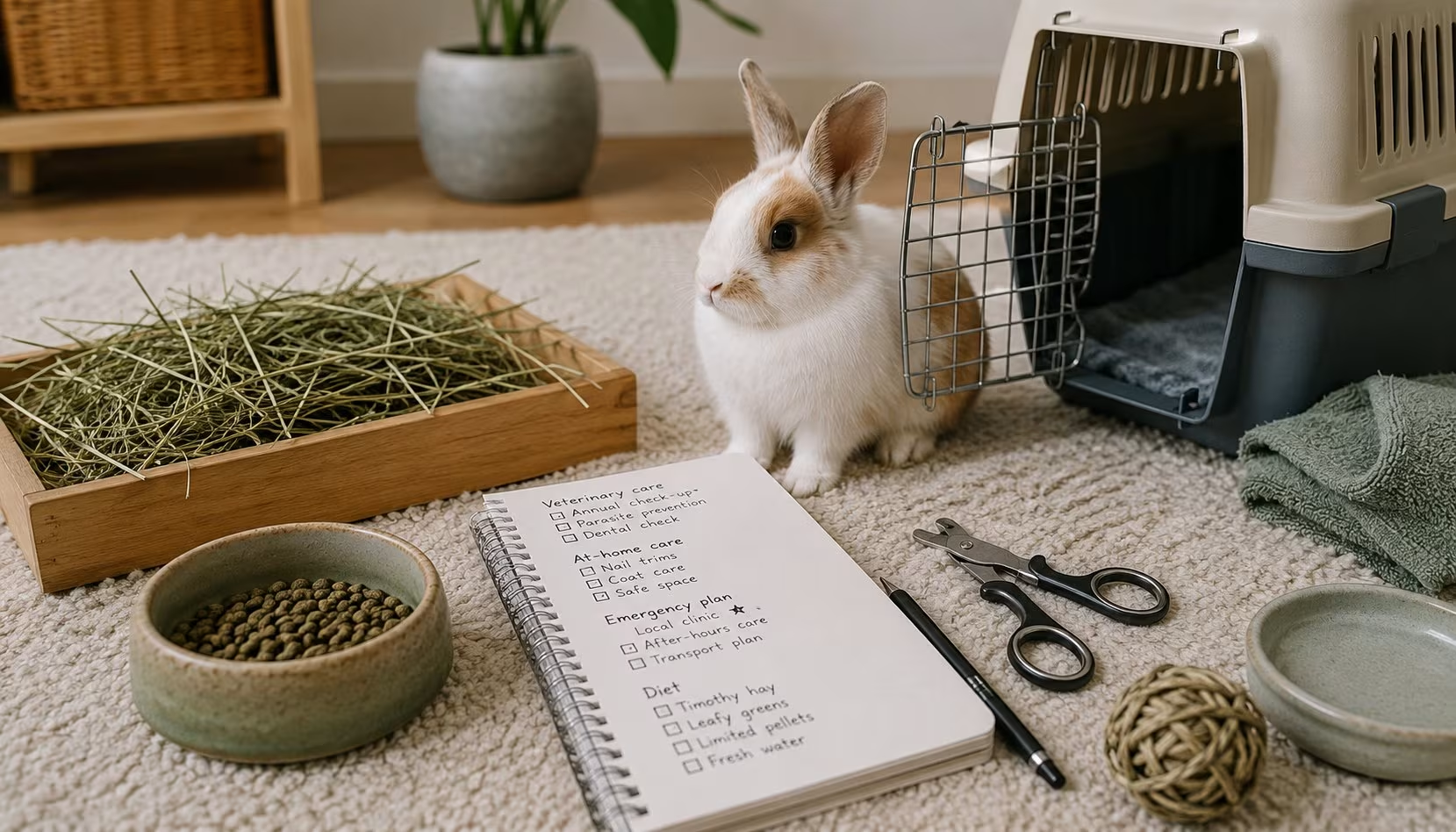
Not every dog-and-cat clinic sees rabbits. Find a rabbit-savvy veterinarian before adoption. Ask about spay or neuter, dental checks, diet, nail trims, emergency signs, and local vaccine recommendations where applicable.
Budget for emergency care. Rabbit emergencies can be expensive and time-sensitive.
Legal limits on rabbit housing access
An emotional support rabbit is not a service animal under the ADA. Public places can often refuse nonservice animals. Housing questions are separate and depend on current fair-housing rules, documentation, and facts.
HUD issued May 22, 2026 animal accommodation enforcement guidance. Check current rules before assuming a rabbit will be accepted in housing.
Pawdraft's South Carolina ESA guide shows why local and current guidance matters.
Pawdraft's article on can you have more than one emotional support animal may help owners think through multi-animal housing questions.
A rabbit may not fit homes with unsafe dogs, rough children, heavy travel, severe allergies, unstable housing, inability to clean, or no rabbit veterinarian nearby. Rabbits are fragile and can be injured by improper handling.
They also chew. Wires, baseboards, carpet, books, and furniture need protection.
Adult rabbits can be excellent companions because their personality is clearer. Ask rescue staff about handling tolerance, litter habits, health history, and whether the rabbit prefers people, other rabbits, or quiet space.
If keeping more than one rabbit, bonding must be done carefully. Rabbits can fight if introduced poorly.
Rabbits chew because chewing is normal. Protect electrical cords, baseboards, books, plants, rugs, and furniture. Offer safe chew toys, cardboard, tunnels, and hiding places. Block unsafe corners and keep cleaning chemicals away.
Rabbit-proofing is not optional. A rabbit who chews a wire can be injured, and a landlord may treat property damage as a serious issue.
Building trust without forced handling
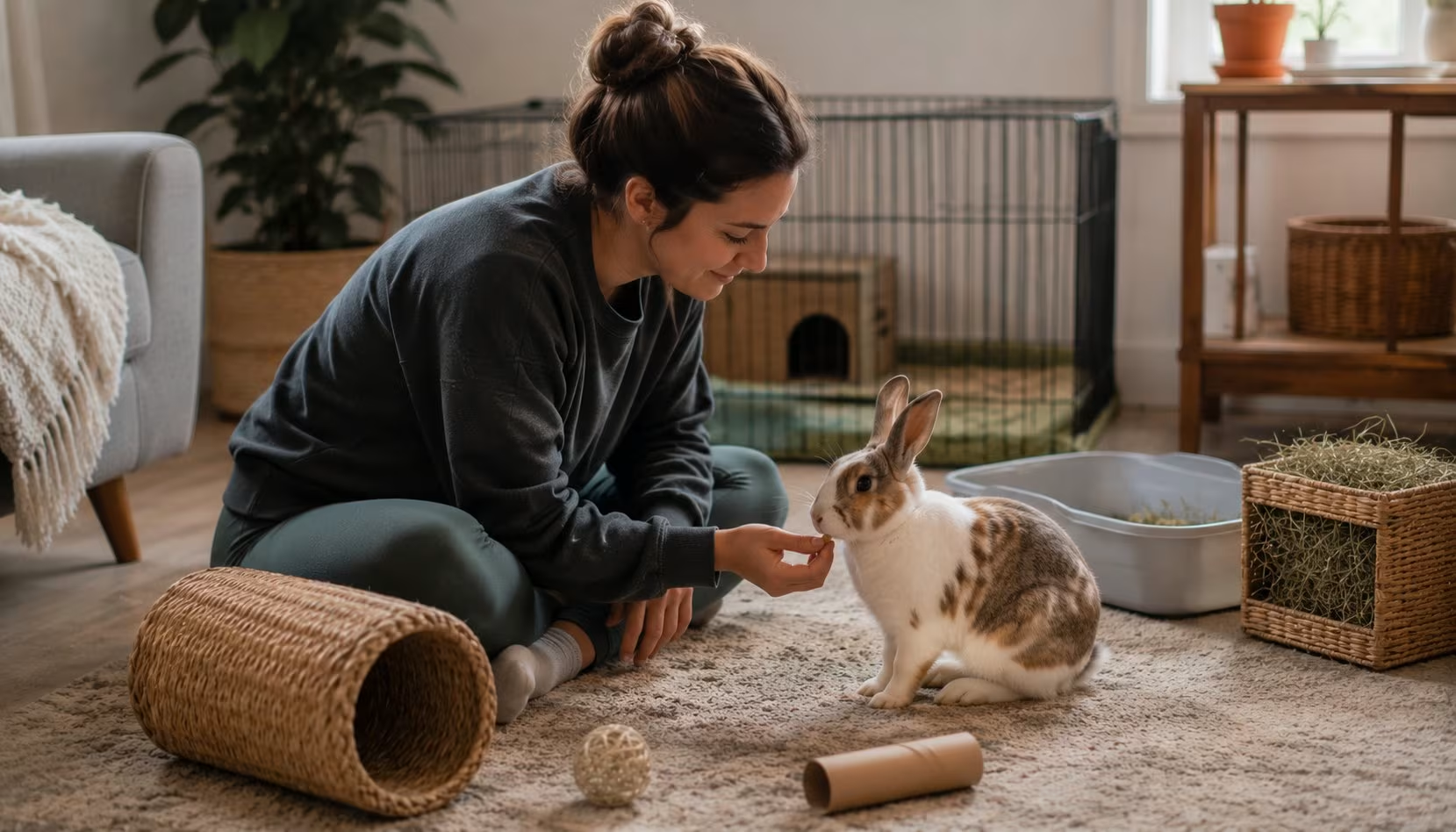
Most rabbits prefer interaction on the floor. Many dislike being picked up because lifting feels dangerous to a prey animal. Build trust with quiet sitting, gentle petting, and predictable feeding. Let the rabbit approach rather than grabbing.
This can be emotionally helpful for some people because it encourages calm behavior and patience. It can frustrate people who expect a cuddly lap pet.
Call a rabbit-savvy veterinarian quickly if a rabbit stops eating, stops passing droppings, has a swollen belly, has head tilt, has trouble breathing, has diarrhea, or seems weak. Rabbits can decline quickly.
Do not wait overnight for a rabbit who is not eating. Appetite and droppings are daily health indicators.
Rabbits need hay, greens, litter, housing, toys, nail trims, spay or neuter discussions, and veterinary care. They can live many years. A rabbit ESA is a long-term commitment, not a short-term comfort item.
Before adopting, price hay, litter, housing, and emergency care in your area. The quietest pet can still be expensive.
Spay or neuter benefits for rabbits
Spaying or neutering rabbits can reduce some behavior problems and may prevent serious reproductive disease, especially uterine cancer in female rabbits. Ask a rabbit-savvy veterinarian about timing, risks, and aftercare.
Do not assume every clinic can safely anesthetize rabbits. Experience with rabbits matters.
Check appetite, droppings, water intake, posture, breathing, eyes, nose, and movement every day. A rabbit who hides, sits hunched, grinds teeth, or ignores favorite greens may be painful or sick.
Because rabbits hide illness, small changes deserve attention. Waiting can make emergencies harder.
A rabbit can be calming for someone who enjoys quiet routine and floor-level companionship. It may be a poor fit for someone who needs constant cuddling, travel flexibility, or an animal that tolerates rough handling.
The right ESA species should match the person's needs and the animal's welfare. Both sides matter.
A rabbit needs a safe enclosure or room, litter box, hay area, water, hiding place, traction, and space to move. Wire-bottom cages can hurt feet. Slippery floors can make movement stressful. Heat is dangerous, so indoor temperature matters.
Plan where the rabbit will live before adoption. A rushed setup often creates chewing, litter, and safety problems.
Travel limits and childproofing interactions
Rabbits can be poor matches for homes where children want to pick up and carry the animal. They are fragile and can injure their spine if they kick hard while being held. Children can still enjoy rabbits by sitting on the floor and offering calm interaction.
Adults should supervise every interaction and teach gentle handling.
Rabbits usually do not travel as easily as dogs. Heat, noise, car rides, and unfamiliar spaces can stress them. If the owner travels often, a reliable rabbit sitter or boarding option is needed.
Do not assume an ESA rabbit can go everywhere. Public access is limited, and travel may not be humane for that individual rabbit.
Hay spreads, litter needs changing, and rabbits shed. Some owners find the routine calming. Others find it overwhelming. Be honest about sensory tolerance, time, and physical ability before choosing a rabbit.
A support animal should add structure without creating neglect risk.
Choose slowly, not during a crisis.
Have a backup caregiver who knows the rabbit's food, litter routine, veterinarian, and emergency signs. If the owner is sick or traveling, the rabbit still needs hay, water, cleaning, and observation every day.
Write the routine down before help is needed.
Keep supplies stocked too.
Weighing the pros and cons of rabbit ESAs
Reasons to consider an emotional support rabbit include quiet companionship, predictable routine, indoor living, gentle floor-level interaction, litter training potential, and a calming home presence.
The reasons to pause are just as real: specialized diet, fragile handling, chewing, daily cleaning, hidden illness, veterinary access, and legal limits. A rabbit can be a meaningful ESA only when the owner can meet the rabbit's needs every day.




0 Comments
No comments yet. Be the first to share your thoughts!
Leave a Comment