

A dog chewing rocks and bricks is not just a messy habit. It can crack teeth, cut gums, irritate the stomach, cause choking, or create an intestinal blockage. Some dogs only mouth stones and drop them. Others grind, swallow pieces, or seek hard objects every time they go outside. The risk changes fast when chewing becomes swallowing.
The cause may be medical, behavioral, developmental, or environmental. The right plan starts by stopping access and then asking why the dog is drawn to hard, unsafe material.
Heavy, abrasive objects that break teeth
Soft toys can be dangerous if swallowed, but rocks and bricks add extra hazards. They are heavy, sharp, abrasive, and hard enough to break teeth. Brick dust and grit can irritate the mouth and stomach. Small stones can pass in some dogs, but they can also lodge in the stomach or intestine. Large pieces may never move safely.
The risk rises if the dog is small, young, vomiting, constipated, painful, or swallowing several pieces. If you are not sure whether your dog swallowed material, treat the situation seriously and call the clinic for guidance.
Pica means eating non-food items. Dogs with pica may swallow rocks, dirt, socks, plastic, wood, mulch, paper, or fabric. Chewing rocks and bricks can overlap with pica even if the dog does not swallow every piece.
PetMD's overview of pica in dogs describes medical and behavioral causes, including nutritional problems, gastrointestinal disease, anxiety, boredom, and compulsive behavior. A dog who repeatedly seeks rocks deserves more than a scolding.
Pawdraft's guide to stopping dogs from eating rocks and sticks focuses on training and management. This article looks at why the behavior may be happening.
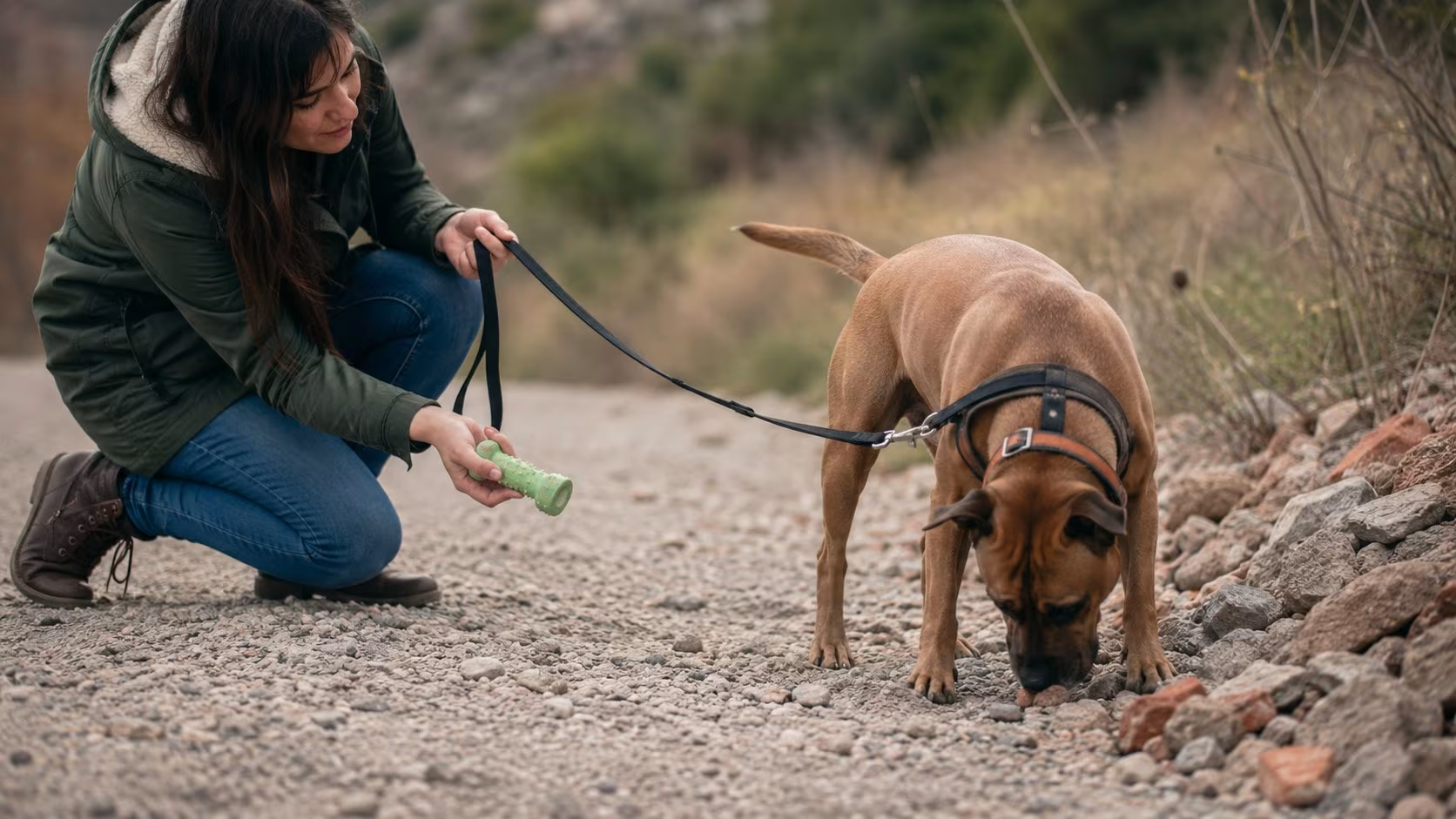
Dental pain as a hidden trigger
Dogs may chew hard objects because their mouth hurts or because chewing relieves pressure. Puppies may chew during teething. Adult dogs may chew oddly with fractured teeth, loose teeth, gum disease, oral masses, or jaw pain.
Hard chewing can also create dental problems. Rocks and bricks can fracture premolars and molars. A cracked tooth may not bleed dramatically, but it can expose sensitive tissue and lead to infection. Watch for drooling, bad breath, pawing at the mouth, dropping food, chewing on one side, face swelling, or sudden refusal of kibble.
If your dog is chewing brick corners and also eating poorly, Pawdraft's article on lack of appetite and loss of energy may fit the broader pattern. Mouth pain can reduce appetite before an owner sees the broken tooth.
Some dogs lick, chew, or swallow odd material when nauseated. They may eat grass, dirt, carpet fibers, or small stones. Gastrointestinal discomfort, parasites, reflux, inflammatory bowel disease, food intolerance, pancreatitis, or partial obstruction can all change chewing behavior.
The Merck Veterinary Manual's owner guide to digestive disorders in dogs explains that digestive disease can show up through appetite changes, vomiting, diarrhea, weight loss, abdominal pain, and behavior changes. Rock chewing is not a diagnosis, but it can be a clue.
Call the vet promptly if chewing comes with vomiting, diarrhea, drooling, repeated swallowing, weight loss, belly pain, or a hunched posture.
Owners often assume a dog eating rocks must be missing minerals. Nutritional deficiency is possible, especially with unbalanced homemade diets, poor-quality feeding, heavy parasite loads, or illness, but it is not the most useful assumption to make at home. Giving random supplements can create new problems.
Ask your veterinarian whether diet review, fecal testing, blood work, or a nutrition consult is needed. Bring the food label, treat list, supplements, and feeding amounts. If the dog is eating a complete commercial diet and is otherwise healthy, boredom or habit may be more likely than a mineral shortage.
Do not add calcium, iron, vitamins, or bone meal without veterinary direction. Too much of some nutrients can harm dogs.
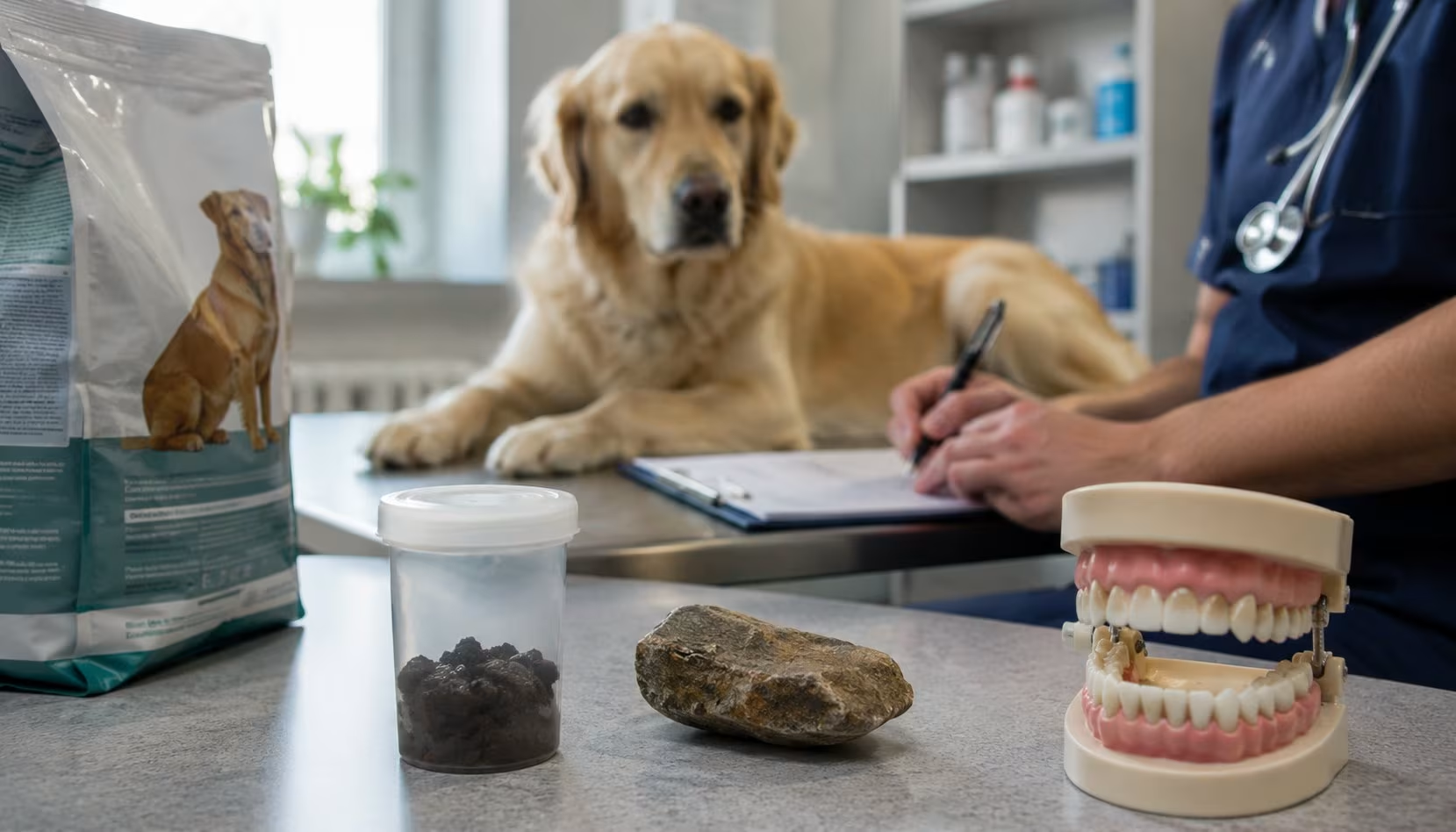
Boredom and a lack of outdoor enrichment
Some dogs chew rocks because the yard is boring and the rocks are available. High-energy dogs need movement, sniffing, problem-solving, chewing outlets, and human interaction. If the only objects in the yard are bricks, landscape stones, and fence corners, those become the activity.
Pawdraft's article on signs a dog is bored and needs more mental stimulation explains how boredom can look like destructive behavior. A dog may not be trying to misbehave. The dog may be underworked and practicing the only available hobby.
Replace the environment, not just the command. Use food puzzles, sniff walks, scatter feeding in grass, training games, safe chew items, tug, fetch, and structured rest. Rotate items so novelty does not depend on dangerous objects.
Training is harder if the yard keeps offering the same temptation. Replace loose gravel in high-use areas with pavers, grass, mulch approved by your vet, or another surface your dog does not chew. Store bricks behind a barrier. Move planters away from fence lines if the dog chews corners while watching the street.
Create a safe outdoor station with shade, water, a raised bed, and one or two approved chew items. Supervise until the new habit is reliable. The goal is not to make the yard empty; it is to make the safe choice easier than the dangerous one.
Anxiety and compulsive chewing patterns
Rock and brick chewing can also appear with anxiety. A dog may chew hard objects when left alone, when storms start, when visitors arrive, or after conflict with another pet. Repetition can turn into a compulsive pattern, especially if the dog gets relief from chewing or attention afterward.
Look for timing. Does it happen only when alone? Only in one corner of the yard? Only after loud noise? Only when the owner is on the phone? A pattern points toward the plan.
Pawdraft's guide to pet anxiety signs and treatment can help owners sort fear, stress, and destructive habits. Severe anxiety may need a veterinary behavior plan, not just more toys.
Puppies explore with their mouths. Adolescents test objects, repeat rewarding behavior, and burn energy through chewing. That does not make rock chewing safe. Puppy teeth can break, and young dogs can swallow objects quickly.
Use close supervision outside. Trade rocks for treats instead of chasing the puppy, because chasing can turn rock grabbing into a game. Teach drop, leave it, come, and mat rest with rewards. Keep gravel areas blocked during training.
If a puppy is obsessed with eating non-food items, ask the vet about parasites, diet, nausea, and developmental behavior. Do not assume the puppy will outgrow swallowing hard objects.
Limit access today. Use a leash for bathroom breaks. Block gravel beds. Remove loose brick pieces. Fence off landscaping. Cover tempting areas. If needed, use a basket muzzle that allows panting and drinking during supervised outdoor time, but introduce it positively and do not use it as a substitute for diagnosis.
Check the mouth for bleeding only if your dog allows safe handling. Do not reach into the mouth of a panicked or guarding dog. Watch stool, appetite, energy, vomiting, and abdominal comfort after any suspected swallowing.
If you saw your dog swallow a rock, brick piece, or sharp object, call the vet. Do not induce vomiting unless a veterinarian or poison-control professional tells you to. Some objects can cause more harm coming back up.
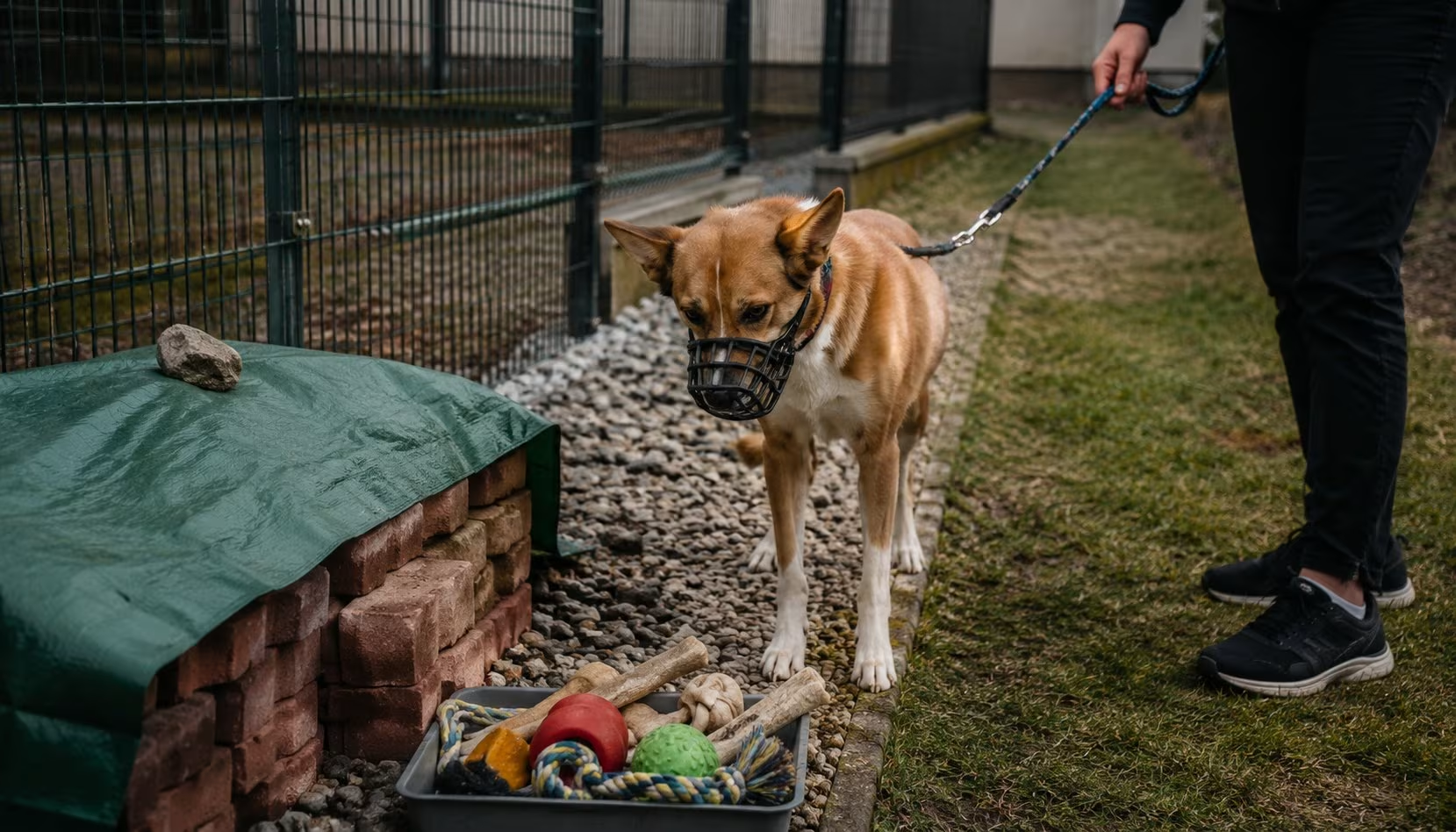
Vet exams and matching treatment to cause
The vet may examine teeth, gums, jaw, abdomen, weight, hydration, and pain response. Depending on the case, testing may include fecal exam, blood work, X-rays, ultrasound, dental imaging, or diet review. If an obstruction is suspected, imaging may be urgent.
Treatment depends on the cause. A fractured tooth may need dental treatment. Nausea may need diagnosis and medication. Parasites need the right parasite plan. Anxiety may need behavior modification and medication. A swallowed object may require monitoring, endoscopy, or surgery.
Pawdraft's article on dog medication information is a reminder that medication should match the diagnosis. Sedating a dog without solving pain, nausea, or obstruction risk can hide the warning signs.
Teach a clear replacement behavior. Outside, carry high-value treats and a safe toy. Reward your dog for checking in, leaving stones, and chewing approved items. Practice in easy areas before returning to gravel paths.
Use management while training. A dog cannot rehearse rock chewing if the rocks are blocked. Every repetition strengthens the habit. Calm prevention is more effective than yelling after the dog already has a stone.
For heavy chewers, choose durable products matched to the dog's size and chewing style. Avoid objects that are too hard, because any chew that cannot flex may also damage teeth. Ask your vet about safe chew choices for your dog's mouth.
Pulling together prevention and supervision
Dogs chew rocks and bricks because of pica, dental pain, nausea, boredom, anxiety, teething, habit, or compulsive behavior. The behavior is risky even before swallowing because hard objects can break teeth and injure the mouth. Block access, supervise outside, offer safer chewing, track patterns, and involve a veterinarian if the dog swallows material, seems unwell, or cannot be redirected.




0 Comments
No comments yet. Be the first to share your thoughts!
Leave a Comment