

Panting is normal after exercise, excitement, stress, or warm weather. It becomes concerning when it is constant, intense, unexplained, noisy, paired with weakness, or happening at rest in a cool room. Constant panting is a sign, not a diagnosis.
Dogs use panting to release heat because they do not sweat the way people do. But panting can also come from pain, fear, fever, respiratory disease, heart disease, anemia, medication effects, Cushing's disease, pregnancy, obesity, or emergencies. The safest approach is to look at the whole dog: breathing effort, gums, temperature, energy, appetite, thirst, cough, belly shape, and recent events.
What happened before the panting began
Ask what happened before the panting started. Did the dog run, play, ride in a hot car, sit in the sun, visit the groomer, panic during thunder, eat something unusual, start a medication, or seem painful? Context helps separate normal recovery from risk.
If the dog is in heat or poor ventilation, move to a cool place immediately. Offer water if the dog is alert and able to swallow. Watch breathing effort and body language closely.
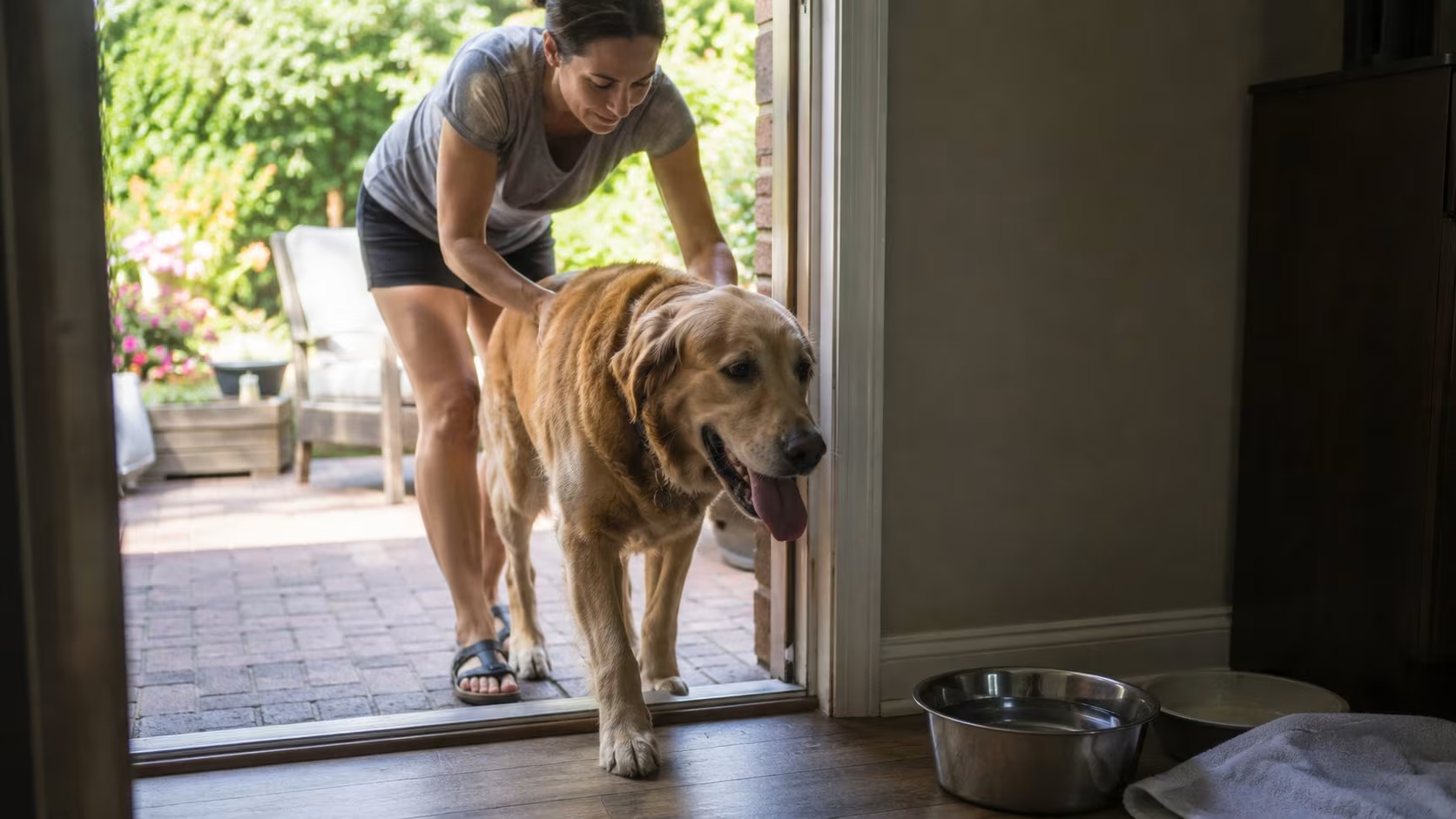
Pawdraft's dog exercise needs by breed article can help owners match activity to the dog, but any breed can overheat.
VCA's heat stroke in dogs resource explains that panting is the main way dogs regulate body temperature, and that heatstroke can happen rapidly in cars, yards without shade or water, or during exercise in hot conditions. Humidity makes cooling harder because panting depends on evaporation.
Short-nosed dogs, seniors, puppies, overweight dogs, thick-coated dogs, heart patients, and dogs with airway disease can struggle sooner. Do not wait for collapse before acting.
ASPCA's hot weather safety tips list overheating signs such as excessive panting, difficulty breathing, increased heart and respiratory rate, drooling, weakness, stupor, collapse, seizures, bloody diarrhea, vomiting, and high body temperature.
If panting comes with weakness, confusion, vomiting, diarrhea, red or pale gums, collapse, or trouble breathing, treat it as urgent. Begin cooling and seek veterinary care.
Pain and stress as hidden causes
Pain often causes panting. Dogs may pant from arthritis, back pain, abdominal pain, dental pain, injury, ear disease, pancreatitis, urinary problems, or post-surgery discomfort. Pain panting may happen at night, while resting, or when the dog changes position.
Look for pacing, trembling, tucked belly, reluctance to jump, limping, guarding, whining, hiding, or a tense face. Do not give human pain relievers unless a veterinarian directs you.
Stress panting can happen during storms, fireworks, car rides, vet visits, grooming, separation, visitors, or conflict with another pet. The dog may pace, drool, yawn, lick lips, shake off, hide, bark, or cling.
Pawdraft's article on training a dog to be an emotional support animal is a training topic, but it still relies on calm, predictable behavior. Anxiety should be managed with training, environment changes, and veterinary guidance when needed.
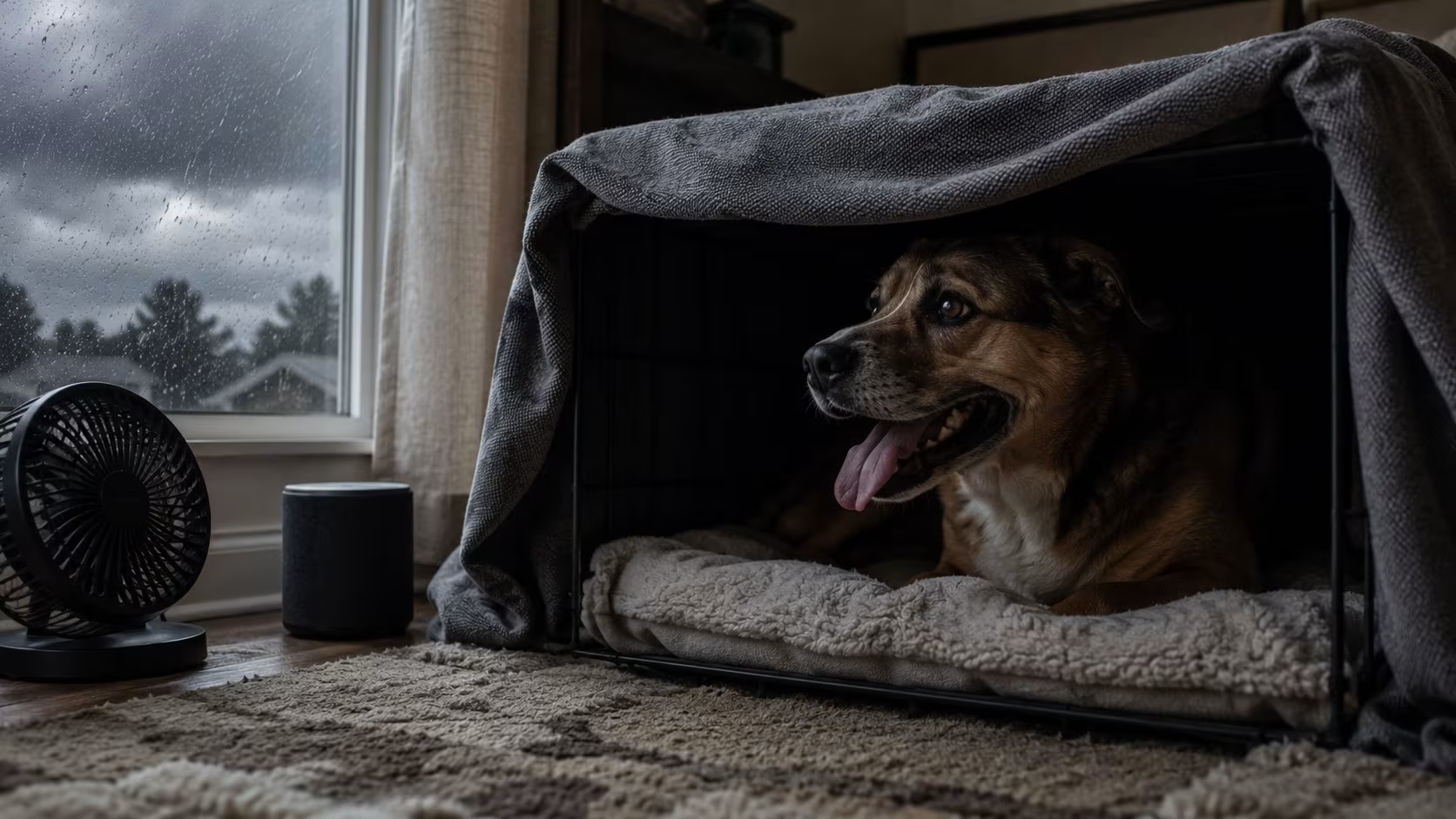
Panting can be confused with breathing distress. Breathing trouble may include noisy breathing, wheezing, coughing, neck extension, wide elbows, blue or pale gums, open-mouth breathing at rest, or inability to lie down comfortably.
Pawdraft's article on canine cancer with coughing and hacking is one example of why cough plus panting deserves attention. Airway infection, pneumonia, laryngeal paralysis, collapsing trachea, heart disease, tumors, or fluid around the lungs can all affect breathing.
Heart disease, anemia, and fever as causes
Dogs with heart disease may pant, cough, tire quickly, breathe faster at rest, faint, or seem weak. Dogs with anemia or internal bleeding may pant because oxygen delivery is reduced. Pale gums, sudden weakness, collapse, or a swollen belly are emergency signs.
Do not assume panting is heat if the dog is cool, resting, and weak. Check gum color and overall strength while arranging veterinary care.
Fever can cause panting even in a cool room. Infection, inflammation, abscesses, tick-borne disease, uterine infection, respiratory illness, or other disease may raise body temperature. Dogs with fever may be lethargic, achy, uninterested in food, or shivery.
A thermometer reading can help if you know how to take a rectal temperature safely, but do not delay care to collect a number if the dog looks very sick.
Steroids, some pain medications, seizure medications, thyroid medication, and other drugs can increase panting or thirst. If panting starts after a new drug or dose change, call the prescribing veterinarian.
Do not stop prescription medication abruptly unless told to. Some drugs need tapering or replacement.
Cushing's disease can cause panting, increased thirst, increased urination, hunger, pot-bellied shape, thin skin, hair loss, and muscle weakness. Diabetes and thyroid problems can also change thirst, energy, weight, and breathing patterns.
Pawdraft's article on acute kidney failure symptoms in dogs is not about panting directly, but increased thirst, weakness, vomiting, and abnormal urination should always be taken seriously.
Allergic reactions and counting breathing rate
Panting can follow allergic reactions if the dog is stressed, itchy, swollen, or having trouble breathing. Pawdraft's common dog allergies and hives article is relevant because facial swelling, widespread hives, vomiting, collapse, or breathing trouble after an exposure can be urgent.
Call promptly if panting appears with swelling, pale gums, weakness, or repeated vomiting.
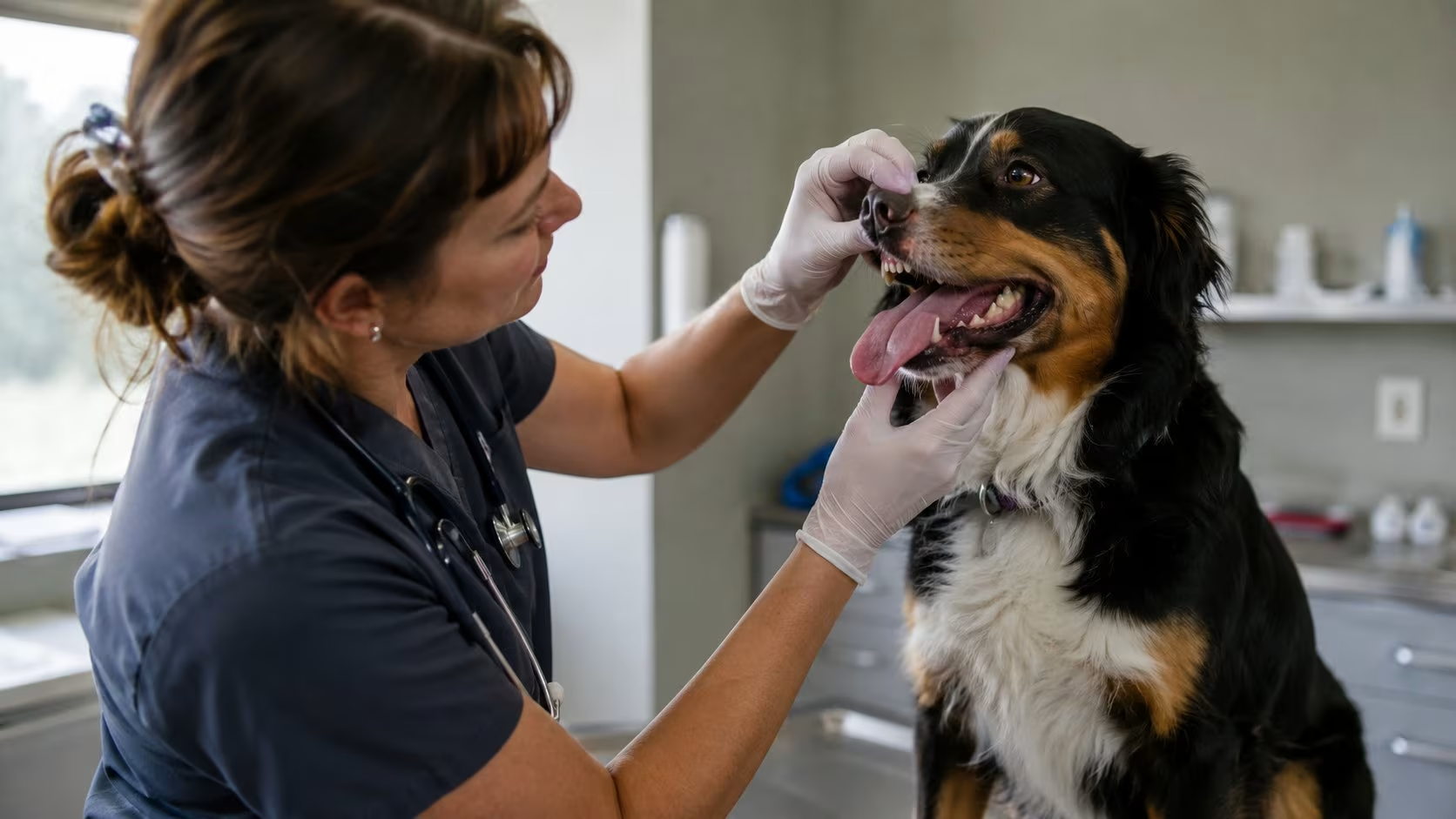
When the dog is asleep or deeply resting in a cool room, count breaths for 30 seconds and double the number. Trends can be useful, especially for heart or lung patients. Ask the veterinarian what range should concern you for your dog.
Do not count when the dog is dreaming, hot, stressed, or active. And do not watch numbers while the dog is clearly struggling; seek care.
Call for panting that is new, constant, worse at night, happening at rest, paired with cough, thirst, weight change, pain signs, fever, weakness, vomiting, diarrhea, or medication changes. Go urgently for labored breathing, collapse, blue or pale gums, heat exposure with illness, seizures, or sudden severe weakness.
Videos help. Record the panting and breathing pattern if it is safe, then show the veterinarian.
Why nighttime panting deserves closer attention
Night panting deserves attention because the dog is usually cooler and less active. Pain, anxiety, cognitive changes, heart disease, medication effects, and endocrine disease can all show up after bedtime. Owners may notice pacing, inability to settle, asking to go outside, or changing sleeping spots.
Write down whether the dog is panting while awake, dreaming, or trying to rest. Note room temperature, water intake, urination, coughing, and whether the dog can lie on either side comfortably.
Overweight dogs work harder to cool themselves. Thick coats, mats, and poor grooming can trap heat. That does not mean shaving every dog is safe; some coats protect skin from sun and help insulation. Ask a groomer or veterinarian what coat care fits the breed.
Weight loss, muscle loss, and a rough coat can also signal disease. Panting plus body change should prompt an exam.
Bring medication names, supplement names, recent diet changes, exercise history, heat exposure, videos, resting breathing counts, and notes about thirst or urination. If panting started after a drug change, bring the bottle or label.
Tell the clinic whether panting happens during sleep, after meals, during walks, in the car, during storms, or only around certain people or pets. Patterns can guide testing.
Cooling methods and after-meal panting risks
For suspected heat stress, move the dog to a cooler area and use gentle cooling while contacting a veterinarian. Do not pack the dog in ice or force ice water. Extreme cooling methods can cause other problems, and a sick dog still needs assessment even if panting improves.
If the dog is not hot, do not assume cooling is the answer. Pain, heart disease, and internal bleeding need different care.
Some dogs pant after eating because they are warm, excited, nauseated, painful, or uncomfortable. Large meals, rich food, swallowed air, and hot rooms can make the pattern more obvious. If panting after meals comes with retching, a swollen belly, drooling, restlessness, or failed attempts to vomit, seek emergency care because bloat is possible.
For mild repeated after-meal panting, note the food, portion size, timing, room temperature, and activity before and after eating. The veterinarian may look for digestive pain, reflux, pancreatitis risk, obesity, or anxiety around feeding.
Car panting can be heat, nausea, excitement, fear, or poor ventilation. Keep the car cool before loading the dog, use safe restraint, avoid direct sun through windows, and bring water for longer trips. Never leave the dog in a parked car.
If the dog pants heavily before the car moves, anxiety may be part of the problem. If panting starts with drooling and lip licking, motion sickness may be involved.
Recap on causes behind constant panting
Constant panting can mean heat, exercise recovery, anxiety, pain, fever, medication effects, heart disease, lung disease, anemia, endocrine disease, or an emergency. Move a hot dog to a cooler place and offer water if safe, but do not assume heat is the only cause. Panting with weakness, collapse, abnormal gums, vomiting, diarrhea, cough, or breathing effort needs veterinary attention.



0 Comments
No comments yet. Be the first to share your thoughts!
Leave a Comment