

The first things to teach a new puppy are not tricks. They are life skills: where to potty, how to rest, how to respond to their name, how to tolerate gentle handling, how to be alone briefly, how to bite softly, and how to recover after excitement. These lessons shape daily life more than any flashy cue.
Puppies learn constantly. If the household does not teach the desired routine, the puppy still learns from whatever happens. Shoes become chew toys, barking brings attention, jumping reaches faces, and accidents become normal in quiet corners. Early training should be kind, simple, and consistent.
Teaching name response and potty timing
Say the puppy's name once in a cheerful voice. When the puppy looks toward you, mark the moment with "yes" or a clicker and give a small treat. Practice in quiet rooms before using the name outside or during play.
Do not use the puppy's name as a warning. If the name predicts scolding, the puppy may stop turning toward you.
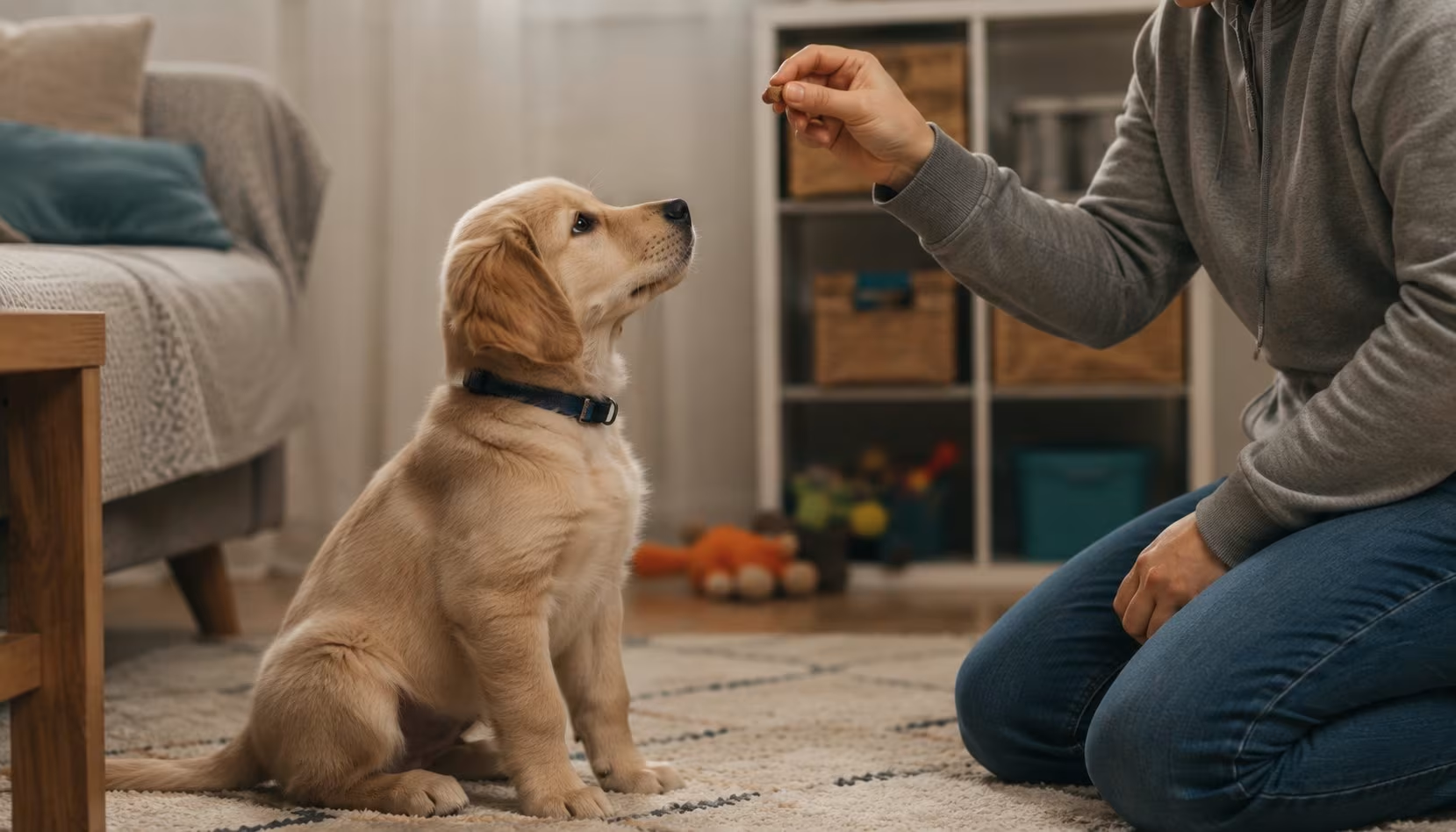
Pawdraft's article on teaching a dog to give paw is a fun later skill, but name response and recall come first.
Take the puppy out after waking, eating, drinking, playing, training, and sniffing around. Reward immediately after the puppy finishes outdoors. Do not wait until you are back inside because the puppy may not connect the reward to the right behavior.
Use supervision, gates, crates, and predictable trips. Punishing accidents usually teaches puppies to hide, not to understand where to go.
A crate or pen should feel like a safe resting place, not a punishment area. Feed meals nearby, toss treats inside, keep sessions short, and let the puppy come out before panic begins. Some puppies prefer a covered crate, while others need more airflow and visibility.
Puppies need a lot of sleep. Overtired puppies bite harder, bark more, and struggle to learn. Scheduled naps prevent many behavior problems.
Puppies explore with their mouths. Teach gentle mouth habits by redirecting to toys, pausing play when teeth hit skin, and rewarding calm interaction. Avoid rough hand games if they make biting stronger.
If the puppy gets wild, they may need a potty break, water, food, or sleep. Many "bad" biting episodes are really overtired puppy moments.
Building trust through gentle handling exercises
Touch paws, ears, collar area, mouth, tail, and body gently while pairing each touch with food. Keep sessions short. Stop before the puppy struggles. The goal is not to restrain the puppy; it is to teach that handling predicts good things.
This pays off later for grooming, vet visits, nail trims, ear checks, and emergencies. Pawdraft's article on walking gently on a head halter is an advanced handling topic that depends on this early trust.
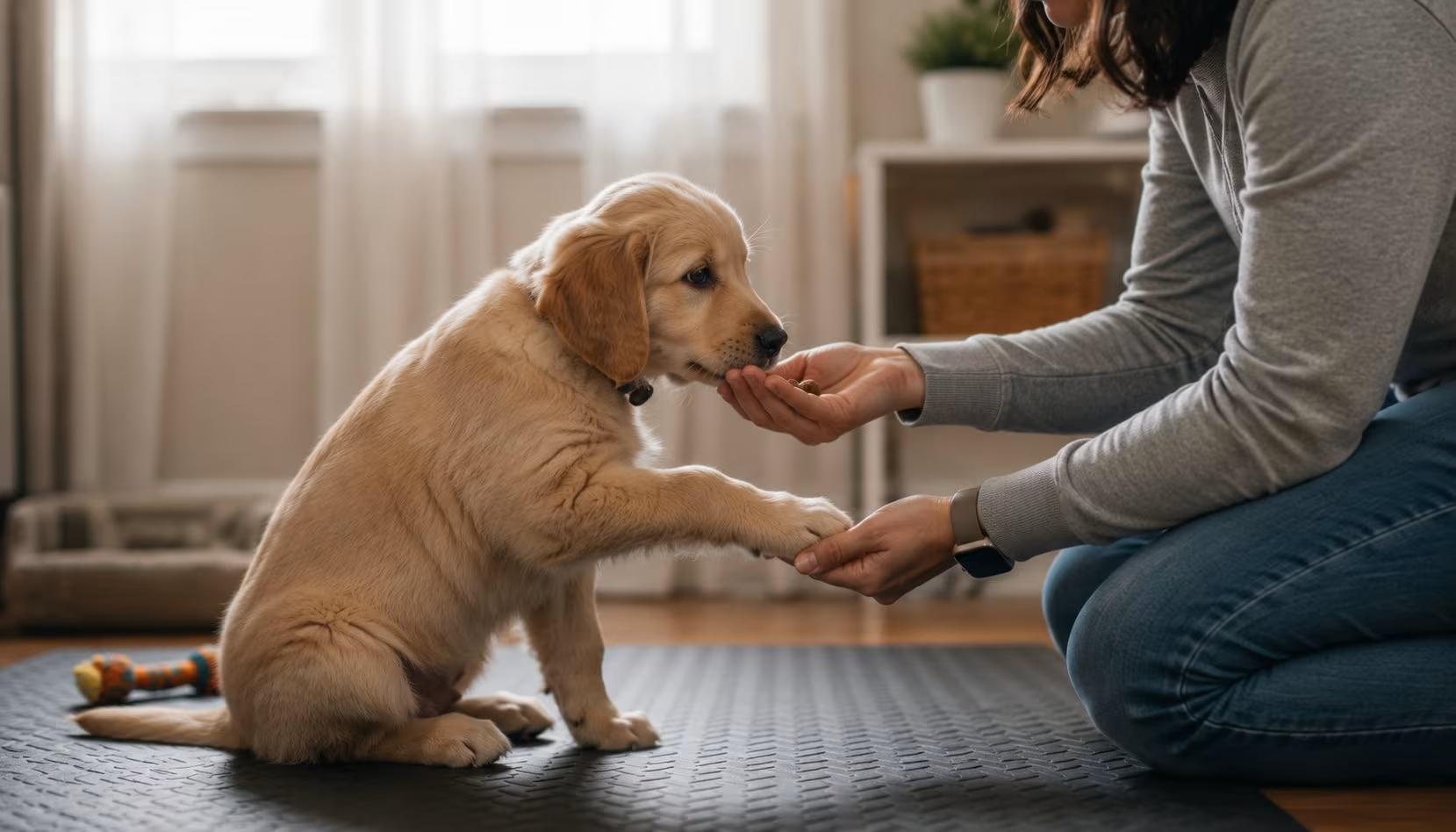
Capture sits throughout the day. When the puppy sits naturally, mark and reward. Soon the puppy learns that sitting can earn attention, food, door opening, and play. This is better than pushing the puppy's rear down.
Settle is separate from sit. Reward the puppy for lying calmly on a mat, chewing an approved item, or relaxing near you. Calm behavior should pay.
AKC's guide to basic puppy cues covers early skills such as sit, down, come, stay, and polite leash walking. Those cues are useful because they create communication before the puppy is large, fast, and confident.
Recall should feel wonderful. Say "come" once, move away, crouch, clap softly, and reward generously when the puppy reaches you. Practice indoors and in fenced areas. Do not call the puppy for unpleasant things.
If the puppy ignores you, the environment is too hard or the reward is too weak. Make it easier instead of repeating the cue.
Quiet, leave it, and trade cues
Puppies bark for attention, alarm, play, frustration, and needs. Teach quiet by rewarding pauses and meeting real needs before barking escalates. If the puppy barks at the mail carrier, use distance, barriers, and calm rewards rather than yelling.
Pawdraft's article on teaching quiet when the mailman arrives can help once the puppy has basic focus and recovery skills.
"Leave it" means move away from something. "Trade" means give up what is in the mouth for a reward. These cues protect puppies from socks, rocks, dropped pills, trash, and unsafe food.
Start with low-value items. Offer a better reward, mark the puppy for turning away, and keep practice cheerful. Do not chase a puppy who has stolen something unless safety requires it; chasing can become the game.
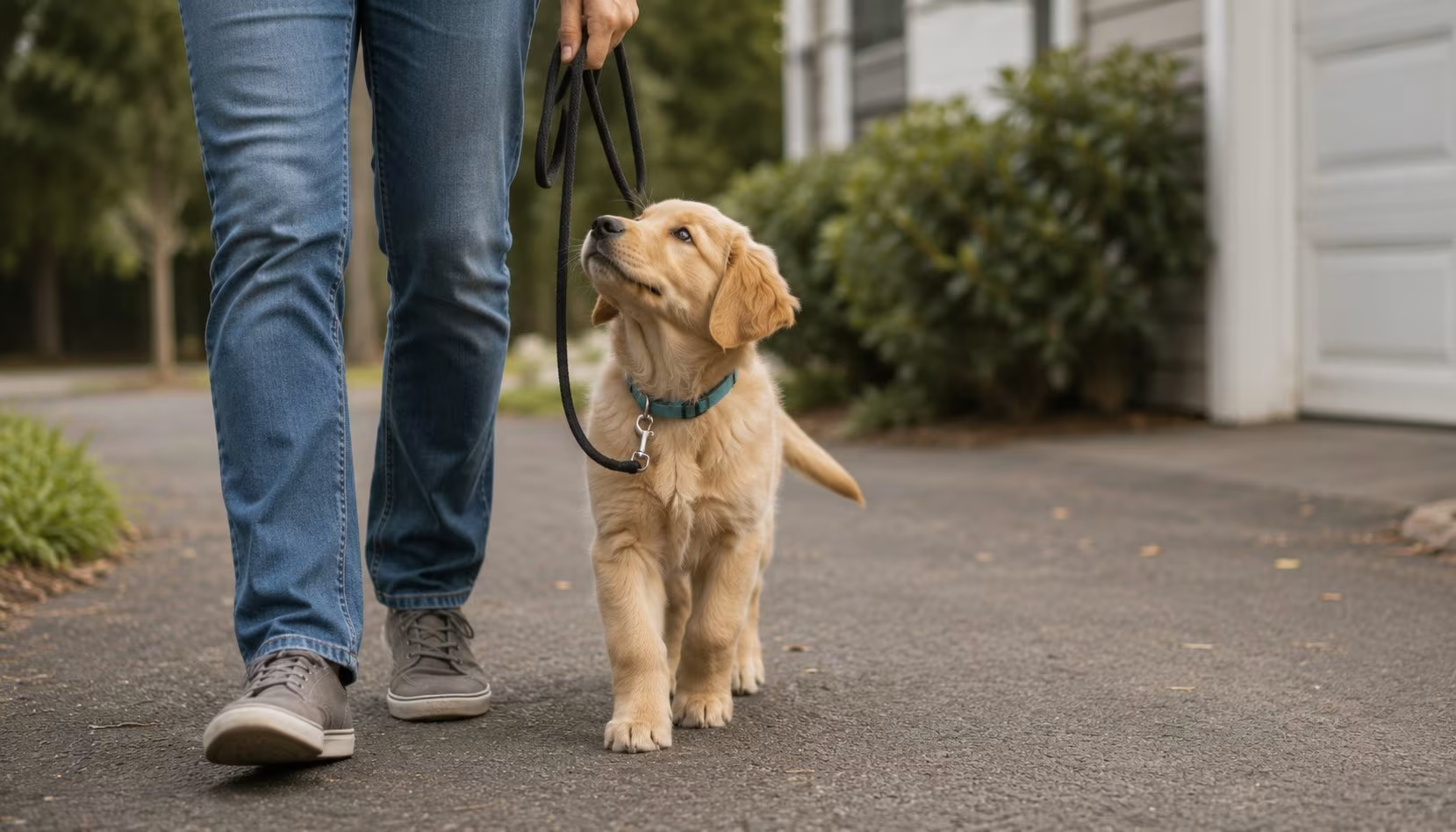
Let the puppy get used to wearing a collar and leash indoors for short periods. Reward walking near you with slack in the leash. Keep early walks short and positive. The goal is not mileage; it is confidence and polite movement.
If the puppy freezes outside, do not drag. Give time, use food, and choose quieter places. Socialization should feel safe.
Socialization means careful exposure to the world, not letting every person and dog rush the puppy. Pair new sights, sounds, surfaces, vehicles, handling, and calm people with food and distance. Watch body language.
Avoid dog parks for young puppies. Choose safe, vaccinated dog friends and controlled settings while following veterinary vaccine guidance.
Setting household rules before puppy invents them
Teach short separations early. Leave the puppy with a safe chew or food toy for a minute, return calmly, and build duration gradually. Do not make every departure dramatic.
If the puppy screams, drools, panics, or cannot eat when alone, ask for help early. Separation distress is easier to address before it becomes severe.
Agree on rules before the puppy invents their own. Will the puppy be allowed on furniture? Where should they sleep? Who handles potty trips? What words mean sit, come, quiet, and release? Mixed rules confuse puppies.
Everyone should reward the same behaviors. Children should train only with adult supervision.
Teach the puppy to sit or go to a mat before doors open. Use gates and leashes so the puppy cannot rehearse rushing out or jumping on visitors. Reward four paws on the floor.
Pawdraft's article on teaching the quiet command for nuisance barking fits later, after the puppy has learned attention and settling.
Tricks, reward placement, and teething outlets
Tricks can build confidence, but they should not replace safety skills. Pawdraft's article on teaching a dog to close doors is a good future project after the puppy has learned focus, impulse control, and gentle mouth habits.
Keep trick sessions short and playful. Stop before the puppy gets frustrated.
Where you place the reward changes what the puppy learns. Feed low for four paws on the floor. Feed near your leg for loose-leash position. Toss a treat into the crate for crate confidence. Place treats on the mat for settling.
Fast reward delivery helps puppies understand the exact behavior that worked. If the puppy sits, jumps, then gets the treat, the puppy may think jumping was part of the lesson.
Teething puppies need legal chewing outlets. Rotate soft rubber toys, food toys, and veterinarian-approved chews. Put shoes, cords, laundry, remotes, and children's toys away. A puppy cannot learn good choices while surrounded by forbidden items.
If the puppy chews furniture, interrupt gently, redirect to a chew, and reward the switch. Bitter sprays and scolding rarely replace the need to chew.
Ask the veterinarian which outings are safe before vaccines are complete. Many puppies need socialization before the vaccine series is finished, but it should happen in lower-risk ways. Puppy classes should require age-appropriate vaccination, clean spaces, and reward-based methods.
Avoid places with unknown dog traffic until the veterinarian says the risk is acceptable. Socialization should be planned, not random exposure.
Keeping a predictable daily puppy rhythm
A simple rhythm helps: potty, food, short play, tiny training, potty again, nap. Puppies who get predictable chances to succeed have fewer accidents and less frantic behavior. Keep a written schedule for the first weeks if several people share care.
Adjust the schedule as the puppy grows. A young puppy needs more breaks than an older adolescent dog.
New puppy owners will make mistakes. A missed potty trip, a chewed sock, or an overexcited greeting is information, not a reason to scare the puppy. Clean accidents thoroughly, manage access better, and practice the easier version next time.
Progress comes from repetition. If a problem repeats, change the setup before blaming the puppy.
Visitors often make puppies jump and mouth. Ask guests to wait for four paws on the floor before greeting. Use a gate, leash, or treat scatter if the puppy gets too excited. Calm greetings taught early prevent bigger adolescent habits.
Recap of first skills for a new puppy
The first things to teach a new puppy are name response, potty routine, crate comfort, rest, bite inhibition, gentle handling, sit, recall, leave it, trade, leash basics, quiet foundations, and calm greetings. Use rewards, supervision, and predictable routines. Early puppy training should create a safe, confident dog who understands daily life, not a puppy who performs tricks while still struggling with basics.

0 Comments
No comments yet. Be the first to share your thoughts!
Leave a Comment