

Dog behavior training is different from teaching a cue in a quiet room. It deals with habits and emotional responses: barking at windows, chasing squirrels, guarding food, panicking on shiny floors, jumping on guests, lunging at dogs, or struggling to settle while the family works. These problems need more than a louder no. They need a plan.
Good behavior training identifies the trigger, changes the setup, teaches a replacement behavior, rewards the dog for safer choices, and protects the dog from practicing the old pattern all day. Fear, pain, and confusion make behavior worse for many dogs, even when punishment briefly suppresses the display.
Identifying the trigger before reacting
A trigger is the thing that starts the behavior. It may be a dog across the street, a squirrel, the doorbell, a slippery floor, a food bowl, a child running, the owner leaving, or a grooming brush. Write down what happens before the behavior, what the dog does, and what happens afterward.
Pawdraft's guide on dogs scared of shiny floors is a clear example. The trigger is not disobedience. It is the surface and the dog's fear of slipping or falling. The plan should add traction, distance, confidence, and choice.
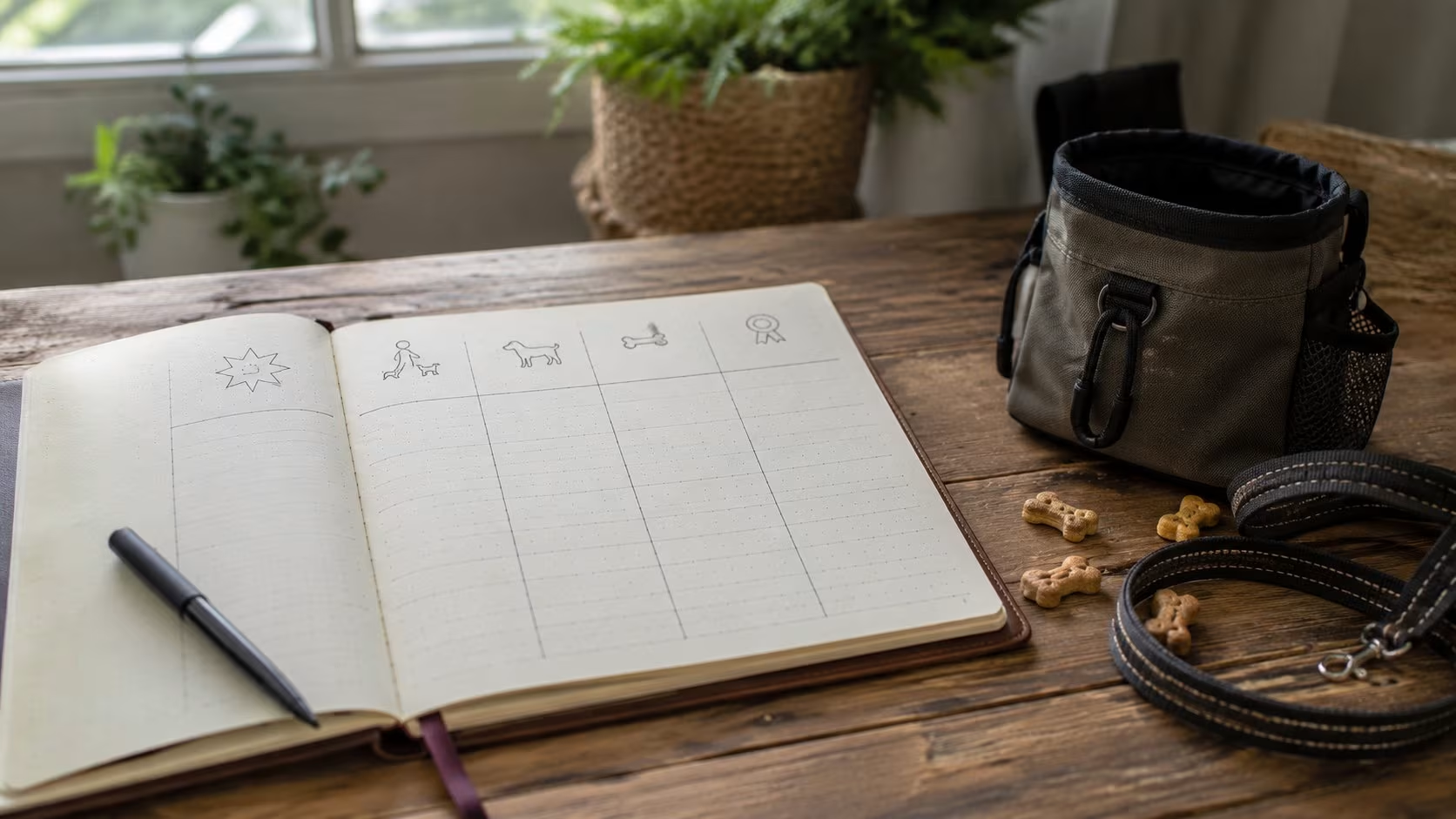
Management prevents rehearsal. Close blinds for window barking. Use a leash before guests enter. Put food bowls in separate rooms. Add rugs to slippery floors. Walk at quieter times. Use baby gates. Management does not teach the final skill by itself, but it stops the behavior from getting stronger while training begins.
For chasing, Pawdraft's article on stopping a dog from chasing squirrels and bikes fits the same principle. A dog who rehearses chasing every morning is practicing the exact behavior the owner wants to reduce.
A replacement behavior answers the question, "What should the dog do instead?" For window barking, the replacement may be coming to a mat. For jumping, it may be four paws on the floor. For chasing, it may be turning back to the handler. For grooming fear, it may be standing still for one brush stroke and then taking a treat.
Pawdraft's guide on standing still for grooming and brushing is a good model. The dog learns a cooperative behavior instead of being held down until it stops resisting.

A replacement behavior should be easy enough to succeed. Asking a terrified dog to lie down beside a trigger is too hard. Asking the dog to look at the owner from a safe distance may be realistic.
Rewarding calmer choices below threshold
The AVSAB humane dog training position statement recommends reward-based methods and states that aversive methods can harm welfare and the human-animal bond. In behavior training, this matters because many behavior problems are driven by fear, frustration, pain, or unmet needs.
Rewards do not excuse bad behavior. They teach the dog a better option. A dog who barks at the window can be rewarded for leaving the window. A dog who lunges can be rewarded for turning away at a distance. A dog who panics during grooming can be rewarded for calm consent steps.
Threshold is the point where the dog can no longer think, eat, respond, or recover. Behavior training should happen below that point. If the dog is screaming at another dog five feet away, training is too close. Move farther away. Use better rewards. Shorten the session.
Signs of rising stress include hard staring, closed mouth, high tail, tucked tail, scanning, whining, freezing, lunging, frantic treat taking, or refusing food. Learn the dog's early signs. Do not wait for the explosion.
Teaching the dog to move away from sounds
Block the view when you cannot train. When you can train, wait for a small sound outside, call the dog away, reward at a mat, and give a chew or scatter feeding. Over time, outside sounds predict moving away from the window.
Use a leash or long line. Reward the dog for noticing the squirrel and turning back. Increase distance from squirrels before asking for control. Practice pattern games in boring places first.
Pawdraft's guide on teaching a dog to settle while you work from home uses the right idea: teach a specific resting place, pay quiet behavior, and meet exercise and enrichment needs before long work blocks.
Agility can be fun, but high arousal can spill into barking, biting at sleeves, or ignoring cues. Pawdraft's article on dog agility training tips should be paired with impulse-control breaks, warm-ups, and recovery.
Ruling out pain as a behavior cause
Sudden behavior change needs a vet check. Pain, ear infections, vision loss, endocrine disease, neurological disease, GI pain, and medication side effects can change behavior. A dog who starts growling when touched may be painful. A dog who avoids floors may have orthopedic or vision issues. A dog who becomes restless at night may be ill.
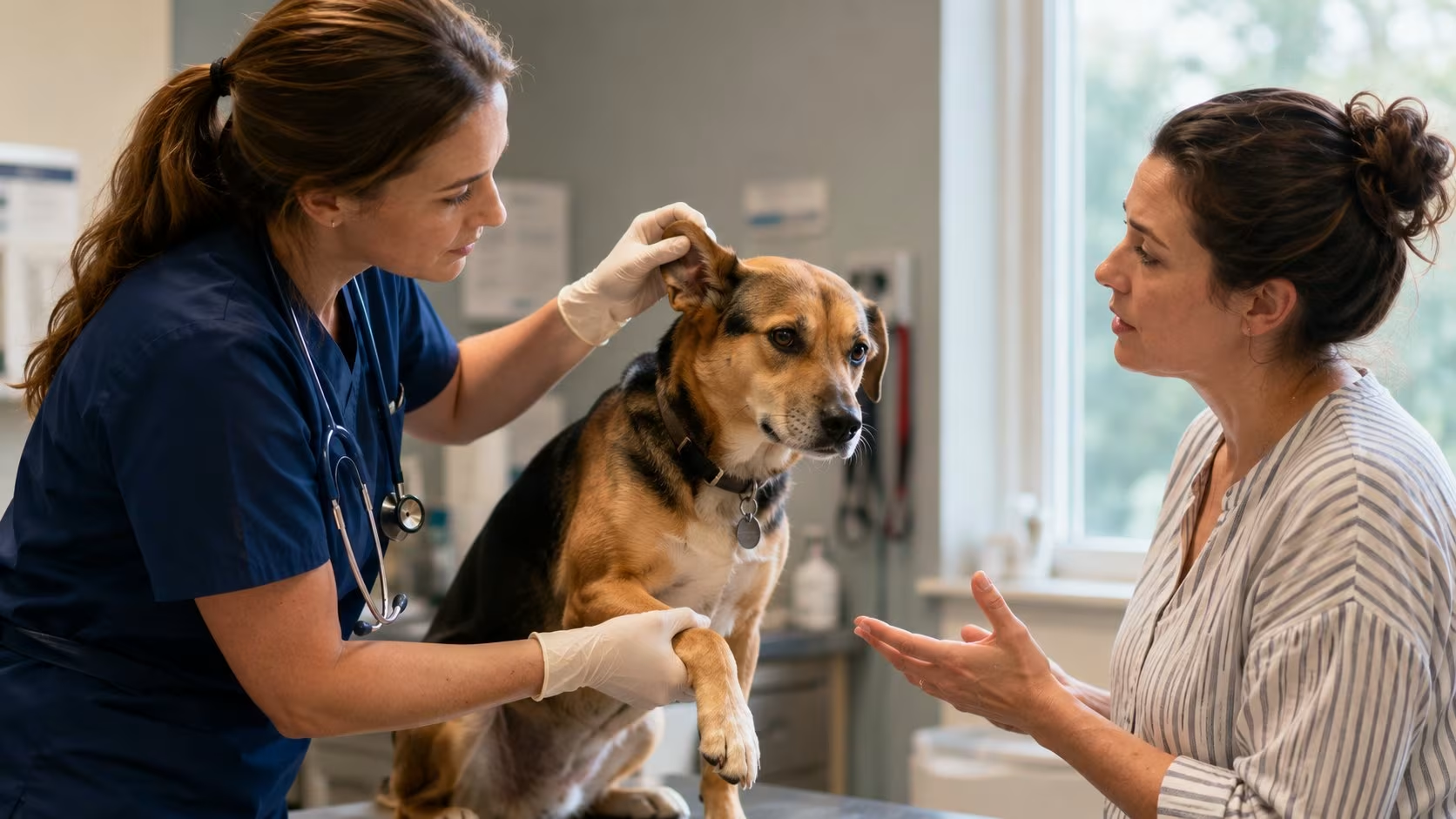
Behavior medication may help some dogs when anxiety or fear blocks learning. Medication is not a failure. It should be discussed with a veterinarian or veterinary behaviorist when safety, panic, or welfare is affected.
Progress is not only fewer explosions. It may be faster recovery, more distance before reacting, softer body language, better sleep, or the ability to eat near a trigger. Write down small changes. Behavior work can feel slow if the family notices only the biggest incidents.
Use a simple scale. How close was the trigger? Did the dog eat? How long did recovery take? Was the leash loose or tight? Did the dog bark once or for five minutes? These notes show whether the plan is working.
Do not train only during crises. If the dog practices barking at the window all day and gets one training session at night, the old habit is winning. Do not punish warning signs such as growling; those signs tell you the dog is uncomfortable. Removing the warning can make bites less predictable.
Do not flood the dog by forcing it near the trigger until it stops reacting. A dog who shuts down is not cured. It may have given up. Humane behavior training should leave the dog more confident, not helpless.
Getting the whole household on one plan
Everyone in the home should know the trigger plan. One person should not invite guests to crowd the dog while another is working on calm greetings. Children should not manage reactive behavior alone. Visitors should receive instructions before entering, not after the dog has already jumped, barked, or grabbed clothing.
Consistency does not require perfection. It requires the same basic setup often enough that the dog can predict what works.
For doorbell barking, teach the dog to run to a mat when the chime sounds. For counter surfing, teach four paws on the floor and keep food off counters. For leash lunging, teach a U-turn and reward movement away from the trigger. For grooming fear, teach chin rest or stationing.
The replacement must meet the dog's need when possible. A dog barking from boredom needs enrichment, not only silence. A dog guarding food needs distance and a safety plan, not people reaching into the bowl repeatedly. A dog chasing squirrels needs controlled outlets and distance before impulse control can work.
Behavior training works better when the dog's basic needs are met. Sleep, pain control, predictable routines, sniffing, chewing, play, food puzzles, and safe exercise all affect behavior. A dog who is exhausted, itchy, or in pain has less ability to learn.
Use enrichment carefully. A frantic dog may not need more arousal; it may need calmer scent work or chewing. A fearful dog may need choice and distance. A bored young dog may need structured exercise before settle training.
Muzzle training and when to call a professional
For bite risk, use barriers, leashes, muzzle training, and professional help. A basket muzzle introduced with rewards can protect people while preserving the dog's ability to pant and take treats. It should not be placed on during a crisis without training.
Safety is not punishment. It is how families prevent harm while behavior work develops.
Look for a trainer or behavior consultant who can explain the trigger, the replacement behavior, and the safety plan. Avoid anyone who promises instant fixes through pain, fear, or flooding. For aggression, panic, or severe separation distress, ask whether a veterinarian or veterinary behaviorist should be involved.
Good professionals coach the humans as much as the dog. They should ask for history, medical concerns, bite history, household routines, and goals. They should also give homework that the family can actually do.
Punishment may stop a behavior in the moment, but it can add stress to the trigger. A dog punished for growling may stop growling and bite with less warning. A dog shocked for chasing may become more aroused outdoors. A dog yelled at for barking may bark more because the whole scene became more intense.
Behavior change should make the dog safer, more predictable, and easier to recover. Suppression alone is too fragile for serious problems.
Reducing rehearsal through management and rewards
Dog behavior training changes habits by managing triggers, teaching replacement behaviors, rewarding safer choices, and reducing stress. It is most effective when the dog works below threshold and the family prevents daily rehearsal of the problem. For aggression, panic, separation distress, or sudden behavior changes, involve a veterinarian and a qualified reward-based behavior professional early.




0 Comments
No comments yet. Be the first to share your thoughts!
Leave a Comment
Your name, email address and comment are processed to publish and reply to the comment; your email address is never published. Details: Privacy Notice.