

Basic dog training is not about controlling every move a dog makes. It is about building communication, safety, and daily manners. A trained dog understands how to check in, respond to simple cues, walk politely, leave unsafe items, settle when nothing is happening, and come when called.
The best foundation is simple: reward behavior you want, prevent repeated practice of behavior you do not want, keep sessions short, and make cues consistent. Dogs learn through repetition and consequences. If sitting politely earns attention and jumping does not, polite sitting becomes more likely.
Reward-based methods and a calm setup
The American Veterinary Society of Animal Behavior's humane dog training position resources recommend reward-based methods for dog training and behavior modification. For owners, that means food, play, praise, access to sniffing, and life rewards can be used to teach.
Reward-based training is not permissive. It sets clear rules while avoiding fear and pain. A dog can have structure, boundaries, and excellent manners without leash jerks, intimidation, yelling, or shock.
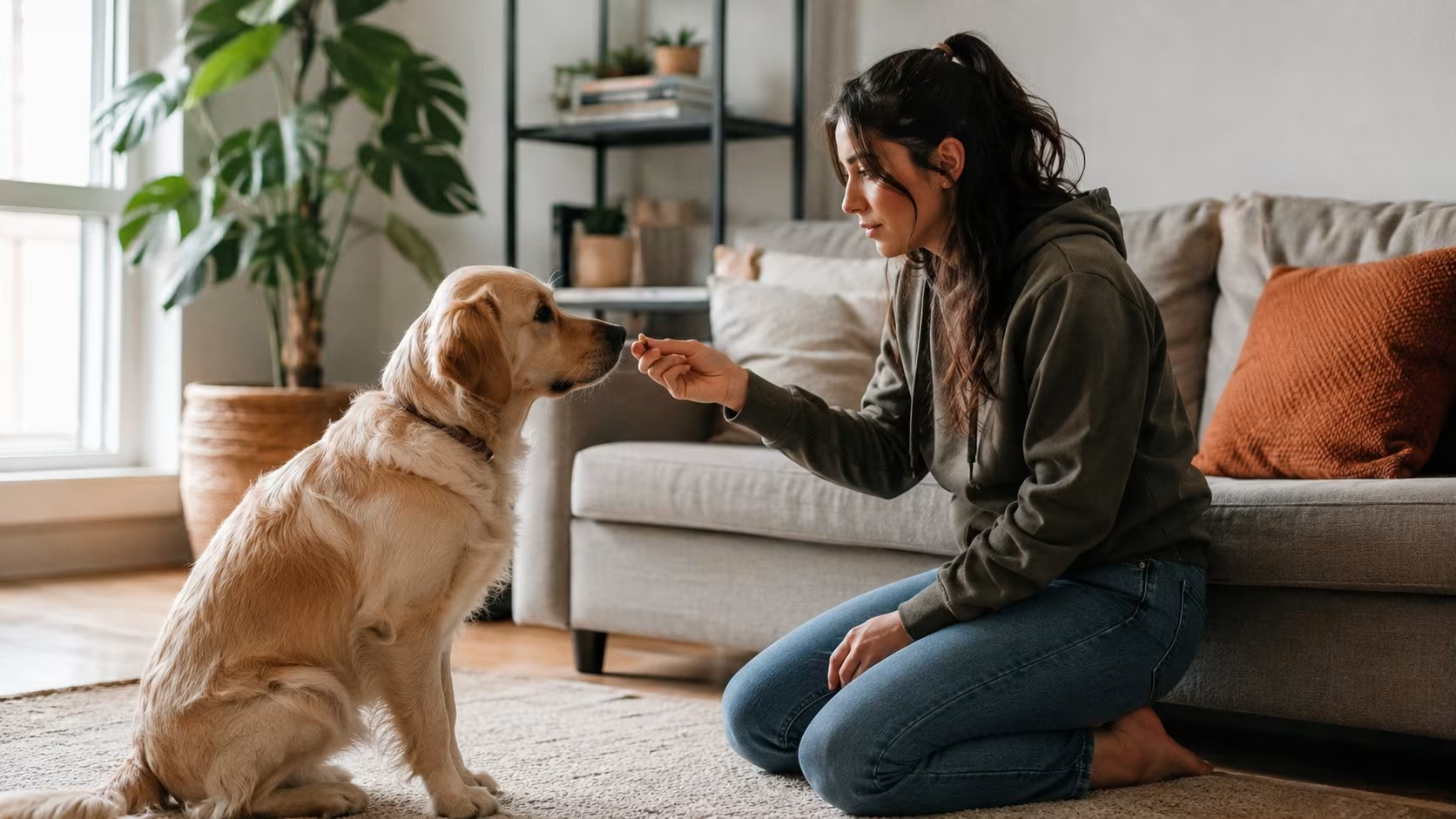
Pawdraft's article on teaching a dog to settle while you work from home fits well with basic training because calm behavior is a skill, not a personality trait.
Start in a quiet room with treats the dog likes. Use a leash or gate if needed so the dog cannot run off with stolen items, jump on guests, or practice unwanted behavior during training. A calm setup makes learning faster.
Keep sessions short: two to five minutes is enough for many dogs. End while the dog is still engaged. Several tiny sessions across the day often work better than one long session.
The dog's name should mean "look at me," not "you are in trouble." Say the name once. When the dog looks, mark with "yes" or a clicker and reward. Practice in easy settings before trying around distractions.
Avoid repeating the name ten times. If the dog does not respond, make the setup easier and reward faster.
Teaching sit, down, and a reliable recall
AKC's guide to basic puppy cues describes teaching core skills such as sit, down, come, stay, and loose-leash walking. For sit, many dogs can learn by capturing the moment they naturally sit or by following a treat lure upward and back.
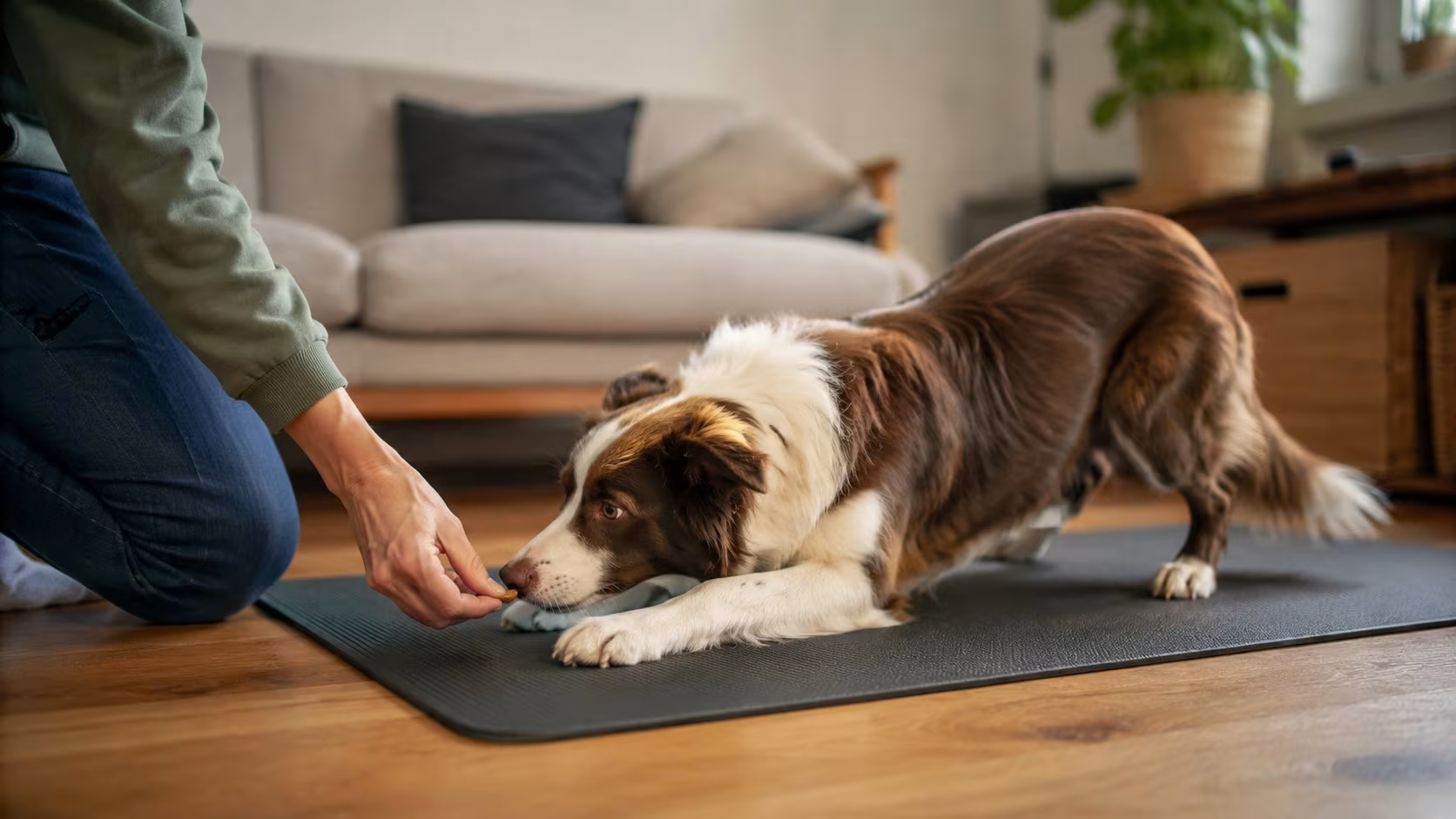
For down, lure from the dog's nose toward the floor, reward elbows down, then gradually remove the food from the hand so the dog responds to the cue rather than the visible treat.
Recall should be one of the happiest cues in the dog's life. Say "come" once, move away, encourage the dog, and reward generously when the dog reaches you. Practice indoors, then fenced areas, then controlled long-line work.
Do not call the dog for punishment, nail trims, bath time, or the end of every fun outing. If "come" predicts disappointment, the cue weakens.
Pawdraft's article on why your dog follows you everywhere can help owners understand attachment and attention, but recall still needs structured practice.
Stay means hold position until released. Start with one second. Reward before the dog moves, then say a release word such as "free." Add duration, distance, and distraction separately. If the dog breaks, the exercise was too hard.
Do not walk across the yard on day one. Build the behavior like stacking small bricks: one second, two seconds, one step back, return, reward, release.
Leave it, drop it, and loose-leash walking
"Leave it" prevents the dog from taking something. "Drop it" asks the dog to release something already in the mouth. Both can protect dogs from medications, bones, toxic foods, sharp objects, and stolen household items.
Start with low-value items. Reward the dog for looking away from the item or trading the item calmly. Pawdraft's article on preventing food stealing from the coffee table expands this idea for household management.
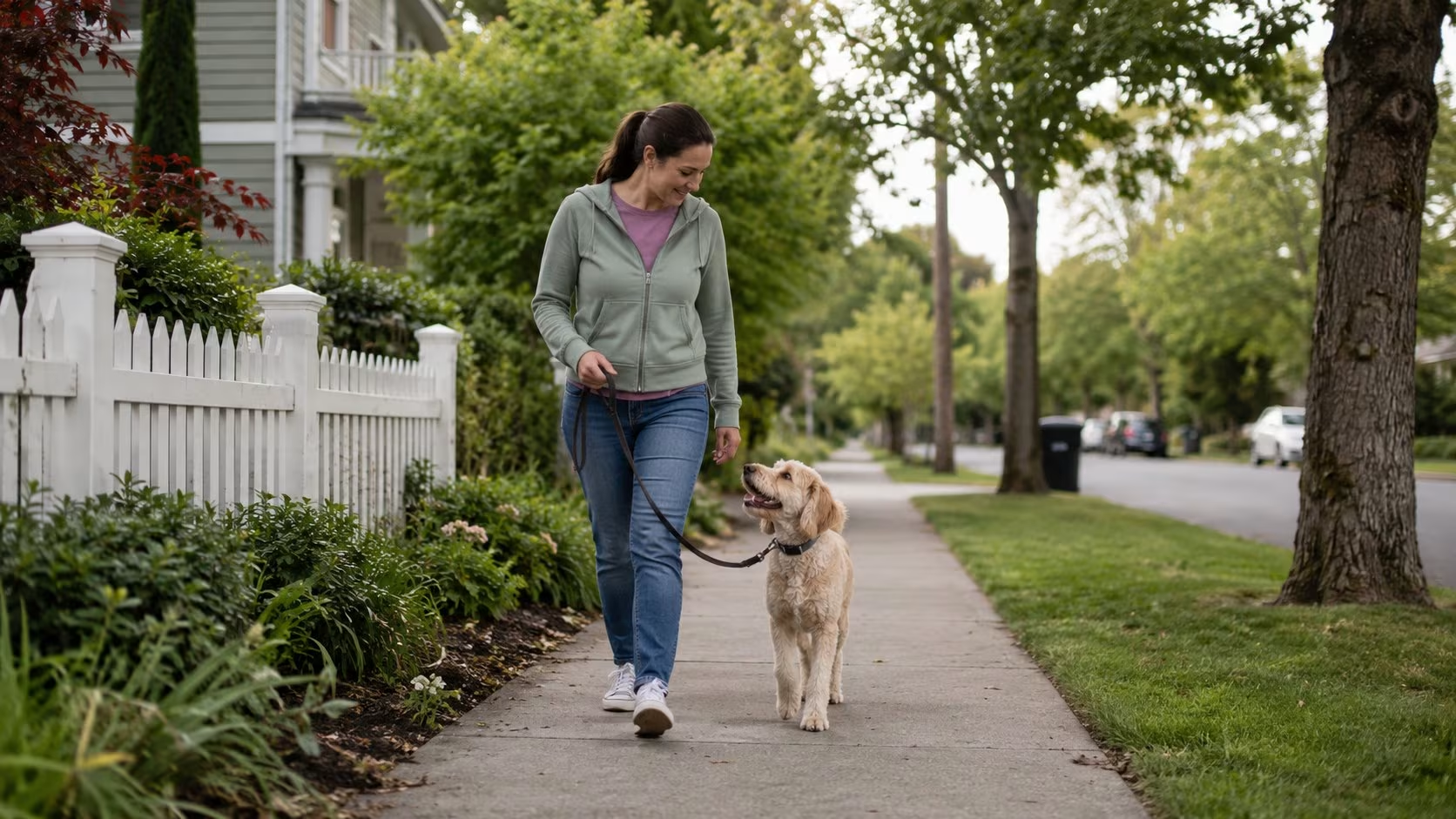
Loose-leash walking means the leash has slack. Reward the dog for being near you, checking in, and moving with you. If the dog pulls, stop or change direction calmly, then reward when the leash loosens.
Sniffing can be a reward. Ask for a few polite steps, then release the dog to sniff. Walks become a conversation rather than a pulling contest.
A settle cue teaches the dog to relax in one place. Put a mat down, reward the dog for stepping on it, then sitting or lying down. Add duration gradually. Use the mat during meals, work calls, visitor practice, or quiet evenings.
Pawdraft's article on stopping a dog from barking at the TV is another example of replacing arousal with a clear alternate behavior.
Every dog should learn gentle handling for paws, ears, mouth, collar, walking gear, grooming, and vet care. Pair touch with treats. Stop before the dog struggles. Build from one-second touches to longer handling.
Pawdraft's guide on getting a dog used to paw handling can support nail trims and exams.
Marker timing and common training mistakes
A marker word such as "yes" tells the dog exactly which behavior earned the reward. Say it the moment the dog does the right thing, then deliver the treat. Good timing helps the dog learn faster.
If the dog sits and then jumps, mark the sit before the jump happens. Reward placement also matters. Feeding low can keep four paws on the floor; feeding near your leg can improve leash position.
Owners often repeat cues, train too long, use rewards the dog does not care about, increase distractions too fast, or punish confusion. Another common mistake is practicing only when the dog is already overexcited.
Train the easy version first. A dog who cannot sit in the kitchen may not sit at the park. A dog who cannot recall from a toy indoors is not ready for off-leash distractions.
Use daily routines as practice. Ask for sit before opening the door, eye contact before putting the bowl down, loose leash before moving forward, and settle while you answer email. Keep it fair and brief.
Rewards do not always have to be food. Opening the door, tossing a toy, greeting a friend, sniffing a tree, or being released to play can all reward good choices.
Matching sessions to age and temperament
Puppies need short sessions, patience, naps, and management. Adult dogs can learn new skills too, but they may bring old habits. Rescue dogs may need decompression before heavy training.
Do not rush. A dog who is stressed, fearful, hungry, tired, or overstimulated will struggle to learn.
Hire qualified help for biting, growling, severe fear, separation distress, resource guarding, leash reactivity, or panic. Basic training can improve communication, but behavior problems may need a structured plan.
Look for trainers who use reward-based methods and can explain how they prevent fear and pain. Avoid anyone who guarantees instant obedience through intimidation.
Dogs do not automatically understand that "sit" in the kitchen also means "sit" at the vet, sidewalk, park, or friend's house. After the dog learns a cue in a quiet room, practice in slightly harder places. Lower your expectations at first and reward generously.
Change only one challenge at a time. If you add a new location, keep duration short. If you add distance, keep distractions low. This keeps the dog successful instead of confused.
Fading treats while keeping cues strong
Food rewards do not need to be in your hand forever. Once the dog understands a cue, keep treats in a pocket, on a shelf, or in a bowl nearby. Ask for the behavior, mark it, then reward from the hidden supply.
Do not remove rewards too quickly. Pay good responses often, and use real-life rewards such as sniffing, greeting, play, or door access when appropriate. Randomly rewarding strong behavior can keep cues sharp.
Training fails when one person rewards jumping and another person scolds it. Agree on cues, release words, door rules, furniture rules, feeding routines, and walking expectations. Write them down if several people handle the dog.
Consistency does not mean being harsh. It means the dog can predict what works. Predictability lowers frustration for both the dog and the household.
A training notebook can be simple: date, cue, location, distraction, and what improved. Tracking helps owners notice progress that feels slow day to day. It also shows where the dog needs easier practice.
If a cue falls apart, go back one level. Dogs are not being stubborn every time they fail. Often the setup changed faster than the training.
Shorter sessions with better timing usually fix more than louder cues.
Pulling the basics into daily practice
Basic dog training should cover name response, sit, down, stay, come, leave it, drop it, loose-leash walking, settle, and cooperative handling. Use short reward-based sessions, manage the environment, practice in easy settings first, and increase difficulty gradually. The goal is a dog who understands what to do in normal life, not a dog who obeys only under pressure.



0 Comments
No comments yet. Be the first to share your thoughts!
Leave a Comment